Proteomics in Biotech: Advancing Research and Development
Author : Alex Turner | Published On : 21 Apr 2026
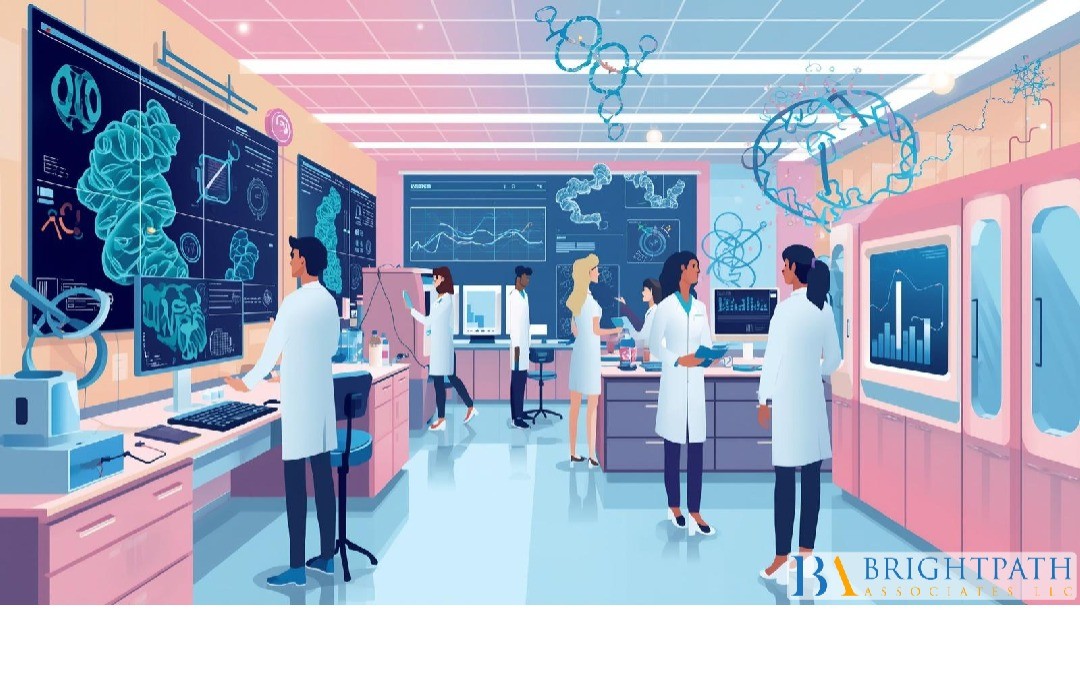
The biotechnology industry is entering a new era of innovation, where understanding biology at a deeper, more functional level is becoming essential for breakthroughs in research and development. At the center of this transformation lies proteomics—the large-scale study of proteins and their functions within biological systems. While genomics has long provided the blueprint of life, proteomics offers something far more dynamic: a real-time understanding of how proteins behave, interact, and influence cellular processes. This shift from static genetic information to functional protein analysis is redefining how biotech companies approach drug discovery, diagnostics, and personalized medicine, making proteomics a cornerstone of modern R&D strategies.
Proteins are the actual workhorses of the cell, responsible for executing nearly every biological function. Unlike genes, which remain relatively constant, proteins change in response to environmental conditions, disease states, and therapeutic interventions. Proteomics enables scientists to identify, quantify, and analyze these proteins on a massive scale, providing insights that were previously impossible to obtain. This capability is transforming biomedical research by allowing researchers to uncover disease mechanisms, identify biomarkers, and develop targeted therapies with greater precision. The ability to study thousands of proteins simultaneously has accelerated the pace of innovation, enabling biotech companies to move from hypothesis to discovery faster than ever before.
One of the most significant impacts of proteomics is in drug discovery and development. Traditional drug development processes are often time-consuming and costly, with high failure rates. Proteomics addresses these challenges by enabling the identification of novel drug targets and providing a deeper understanding of disease pathways. By comparing protein expression in healthy versus diseased cells, researchers can pinpoint specific proteins that play a critical role in disease progression. These proteins can then be targeted for therapeutic intervention, significantly improving the chances of developing effective treatments. Additionally, proteomics supports the discovery of monoclonal antibodies and other biologics, which are increasingly becoming the backbone of modern therapeutics.
Beyond target discovery, proteomics is revolutionizing the development of personalized medicine. As healthcare moves toward more individualized treatment approaches, understanding the unique protein profile of each patient becomes essential. Proteomic technologies enable the identification of biomarkers that can predict how a patient will respond to a specific treatment, allowing for more precise and effective therapies. This not only improves patient outcomes but also reduces the risk of adverse effects and unnecessary treatments. Industry insights highlight that the integration of proteomics with advanced technologies such as artificial intelligence and multi-omics is further enhancing its potential to deliver precision-driven healthcare solutions.
Another critical area where proteomics is driving innovation is in bioprocessing and manufacturing. Biotech companies rely on complex biological systems, such as cell cultures, to produce therapeutic proteins and other biologics. Proteomics provides valuable insights into these systems, helping researchers optimize cell growth, improve protein production, and enhance product quality. By understanding the molecular mechanisms that influence production efficiency, companies can streamline their processes, reduce costs, and accelerate time-to-market. This is particularly important in a competitive industry where speed and efficiency can determine market success.
Despite its immense potential, the adoption of proteomics comes with its own set of challenges. The complexity of protein data, the need for advanced analytical tools, and the high cost of infrastructure can create barriers for many organizations. However, as technology continues to evolve, these challenges are gradually being addressed. Advances in mass spectrometry, bioinformatics, and data integration are making proteomics more accessible and scalable, enabling even small to mid-sized companies to leverage its benefits. The global proteomics market itself is experiencing rapid growth, driven by innovations in high-throughput screening and AI-powered data analysis, signaling strong future demand and opportunity within the sector.
For biotech organizations, the real opportunity lies not just in adopting proteomics but in building the right teams to harness its full potential. The intersection of biology, data science, and technology requires a new generation of talent—professionals who can bridge the gap between scientific research and business strategy. However, finding such talent is becoming increasingly challenging, especially for small to mid-sized enterprises competing with larger organizations. This is where strategic executive recruitment plays a crucial role in enabling companies to stay competitive and innovation-driven.
As the biotechnology landscape continues to evolve, having the right leadership and expertise in place is no longer optional—it is a critical success factor. Organizations must be proactive in identifying and attracting professionals who understand emerging technologies like proteomics and can translate them into actionable business outcomes. Whether it’s driving R&D innovation, optimizing operations, or scaling new solutions, the impact of the right talent cannot be overstated.
To gain a broader understanding of how trends like proteomics are shaping the future of life sciences, exploring the biotechnology sector in depth can provide valuable strategic insights. At the same time, diving deeper into how proteomics specifically is advancing research and development can help leaders make informed decisions about their innovation strategies. For a more detailed perspective, you can explore the original blog here: Biotech Advancing Research and Development.
The future of biotechnology will be defined by how effectively companies can leverage advanced scientific tools to drive innovation and deliver value. Proteomics is not just a technological advancement—it is a paradigm shift that is redefining what is possible in research and development.
