Protecting Your Mill’s Digital Perimeter: Cybersecurity Primer
Author : Kabir Pathan | Published On : 01 Sep 2026
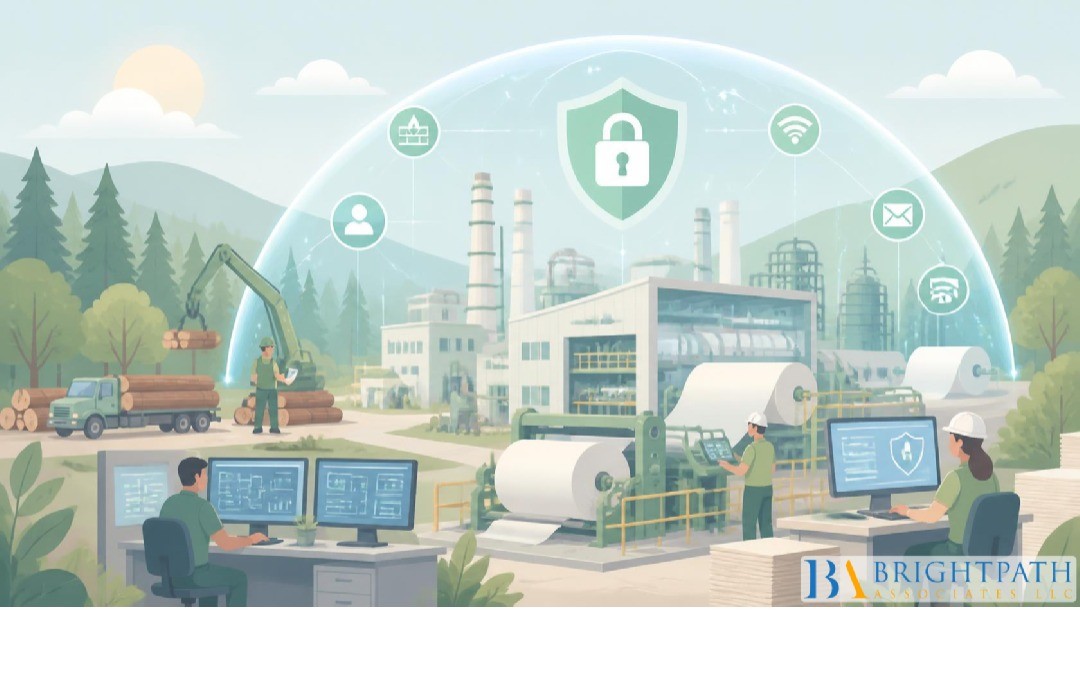
Paper mills, pulp producers, sawmills, timber operations, and forest product manufacturers are undergoing a significant digital transformation. Connected machinery, industrial control systems, cloud platforms, automated production lines, remote monitoring, and data-driven decision-making are improving efficiency across the sector.
A modern mill is no longer an isolated industrial environment. Production equipment may communicate with enterprise systems, suppliers, maintenance providers, remote technicians, and cloud-based applications. Every additional connection can create another potential pathway for unauthorized access, operational disruption, or data compromise.
For small and mid-sized companies, this challenge can be particularly significant. Many organizations are modernizing legacy infrastructure while simultaneously managing cybersecurity with limited internal resources. Protecting the digital perimeter therefore requires more than installing security software. It requires a coordinated strategy involving technology, processes, employees, suppliers, and leadership.
Why Traditional Mill Infrastructure Is Becoming More Vulnerable
Historically, industrial machinery was designed primarily for reliability, productivity, and safety. Cybersecurity was rarely a central consideration because many systems were isolated from external networks.
Industrial equipment increasingly incorporates connected sensors, programmable controllers, remote-access capabilities, data collection platforms, and automated monitoring. These technologies provide valuable operational information, but they also increase the number of digital entry points that organizations must secure.
Legacy equipment can present another challenge. A machine may continue to perform effectively for decades while operating with outdated software, unsupported operating systems, or older communication protocols.
Replacing every legacy system immediately is rarely practical. Instead, mill operators need a risk-based approach that identifies which systems are most critical and determines how they can be protected without compromising production.
Understanding the Mill's Digital Perimeter
A digital perimeter extends far beyond the corporate IT network.
For a paper or forest products operation, it may include production control systems, industrial computers, sensors, programmable controllers, maintenance systems, employee devices, remote-access platforms, cloud applications, supplier connections, and connected machinery.
Companies need to understand what systems are connected, who has access, what information moves between systems, and which assets could affect production if compromised.
Without this visibility, organizations may invest heavily in protecting systems while overlooking less obvious vulnerabilities. A comprehensive digital asset inventory can help leadership understand where the most important operational and informational risks exist.
Protecting Operational Technology
Operational technology deserves particular attention because a cyber incident affecting an industrial control environment can have consequences beyond lost data. A compromised system could potentially interrupt production, affect equipment performance, disrupt quality controls, or create safety concerns.
Paper and pulp facilities often depend on interconnected systems to monitor temperatures, pressure, chemical processes, moisture, speed, and other production variables. Sawmills and wood-processing facilities similarly rely on automated equipment and digital controls to maintain productivity and quality.
Network segmentation can help separate critical production environments from less-sensitive business systems. Access controls can restrict who can interact with industrial systems. Monitoring can identify unusual activity before it develops into a major incident. The objective is to protect critical operations while maintaining the availability and reliability required by manufacturing environments.
Remote Access Creates Both Value and Risk
Remote monitoring and maintenance can provide substantial benefits to modern mills. Equipment specialists can diagnose problems without always traveling to the facility, while vendors can provide technical support more quickly.
Every external connection should have a clearly defined business purpose, appropriate authentication, controlled permissions, and monitoring. Access should not remain active indefinitely when it is only required for a temporary maintenance activity.
Companies should also understand which third parties have access to production systems and what level of access they possess. This is particularly important for smaller organizations that rely heavily on equipment vendors and external technology providers.
Employee Awareness Remains a Critical Defense
Advanced cybersecurity technologies cannot eliminate human risk. Employees may receive phishing messages, use weak passwords, accidentally share sensitive information, connect unauthorized devices, or overlook suspicious system behavior.
Cybersecurity training should therefore become part of the organization's operating culture. Employees need to understand why security matters, how suspicious activity should be reported, and what behaviors can expose the company to unnecessary risk.
Training should also be practical. Employees working on a production floor may face different cybersecurity risks from employees working in finance, engineering, procurement, or executive management.
The Growing Need for Specialized Leadership Talent
As the industry modernizes, companies increasingly need leaders who understand both traditional manufacturing environments and emerging digital risks. The ideal executive may need knowledge of industrial automation, operational technology, cybersecurity, manufacturing systems, environmental compliance, data analytics, and strategic transformation.
This combination of expertise is becoming increasingly valuable across the Paper and Forest Products Industry. Leadership teams capable of connecting cybersecurity with operational strategy can help organizations modernize without unnecessarily increasing their exposure to digital threats.
For smaller businesses, hiring the right executive can be particularly important because a single technology or operations leader may influence modernization, security, productivity, and workforce strategy simultaneously.
Conclusion: Protect the Mill Before the Crisis
Cybersecurity in the Paper and Forest Industry is no longer limited to protecting office computers and corporate data. It increasingly involves protecting the systems that keep mills operating.
The combination of legacy infrastructure, connected machinery, remote access, automation, cloud platforms, suppliers, and digital production systems creates a complex security environment. Managing that environment requires visibility, disciplined processes, employee awareness, technological controls, and executive leadership.
The strategic question for mill leaders is not whether digital transformation will continue. It is whether their organizations are prepared to secure that transformation. For a deeper look at the risks and practical considerations involved, explore the original BrightPath Associates analysis, Protecting Your Mill's Digital Perimeter.
