Protecting Your Brand: Simple Framework for Food Fraud Detection
Author : Jimmy Patel | Published On : 31 Jul 2026
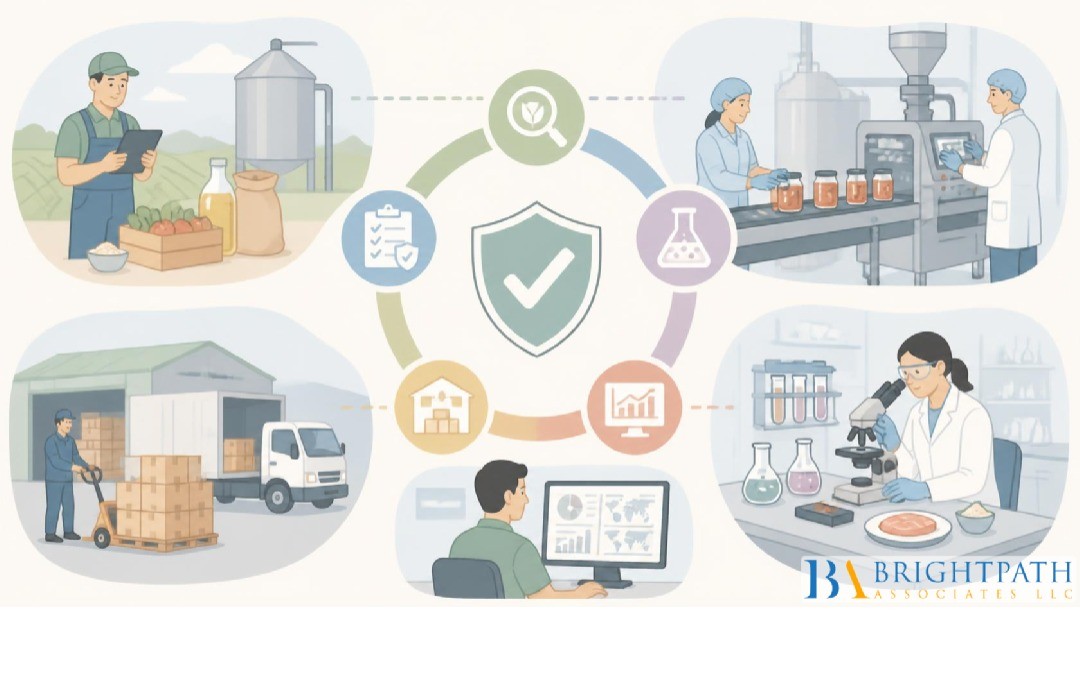
Brand reputation is one of the most valuable assets any food manufacturer possesses. Consumers expect every product they purchase to meet strict standards for safety, quality, authenticity, and transparency. Yet the global food industry continues to face growing risks from food fraud, including ingredient substitution, product adulteration, mislabeling, counterfeit packaging, and falsified documentation. These fraudulent activities can damage consumer trust, trigger regulatory action, disrupt supply chains, and lead to significant financial losses. As supply networks become increasingly complex, food manufacturers are recognizing that protecting their brands requires more than periodic inspections. A comprehensive food fraud detection framework supported by industrial automation, digital technologies, and proactive risk management is becoming essential for long-term business success.
Food fraud differs from accidental contamination because it involves intentional deception for economic gain. Whether lower-quality ingredients are substituted for premium materials or products are falsely labeled to command higher prices, fraudulent activities can undermine both product integrity and customer confidence. Modern supply chains often involve multiple suppliers, processors, transportation providers, and distribution partners operating across different regions. This complexity increases the challenge of maintaining complete visibility from raw material sourcing through final product delivery.
An effective food fraud prevention strategy begins with understanding organizational risk. Every company should evaluate which ingredients, suppliers, products, and geographic regions present the greatest exposure to fraud. High-value ingredients, imported materials, seasonal commodities, and products with limited supply are often more vulnerable to fraudulent practices. Conducting structured risk assessments allows organizations to prioritize monitoring efforts where the potential impact is greatest. Rather than treating every supply chain component equally, companies can allocate resources more effectively based on measurable risk.
Supplier verification represents another critical component of a successful food fraud detection framework. Establishing strong partnerships with qualified suppliers reduces the likelihood of fraudulent materials entering production. Verification should extend beyond initial supplier approval to include ongoing performance reviews, documentation audits, certifications, quality testing, and regular communication. Digital supplier management systems simplify these activities by maintaining centralized records while providing greater visibility into supplier performance over time.
Industrial automation has become an important ally in strengthening food authenticity. Modern manufacturing facilities increasingly utilize automated inspection systems, barcode tracking, machine vision technology, RFID identification, and Industrial Internet of Things (IIoT) sensors to monitor products throughout manufacturing and distribution. Automated systems reduce dependence on manual inspections while providing consistent, real-time verification of production processes. By continuously collecting operational data, manufacturers gain greater confidence that products remain authentic throughout every stage of production.
Traceability has also become a defining feature of modern food manufacturing. Consumers, regulators, and retail partners expect organizations to demonstrate complete visibility throughout their supply chains. Automated traceability systems record every significant event, including raw material receipt, production batches, processing conditions, packaging activities, warehouse movements, and transportation milestones. When concerns arise, organizations can quickly identify affected products, determine root causes, and implement targeted corrective actions instead of initiating broad product recalls. Faster response times protect consumers while minimizing operational disruption.
Artificial intelligence and advanced analytics are expanding food fraud detection capabilities even further. Machine learning algorithms analyze large volumes of operational data to identify unusual patterns that may indicate fraudulent activity. Unexpected supplier behavior, inconsistent production yields, abnormal ingredient usage, unusual inventory movements, or irregular shipping patterns can all generate automated alerts for further investigation. Rather than relying solely on manual review, manufacturers benefit from continuous digital surveillance that improves detection speed and decision-making accuracy.
Laboratory testing remains an important safeguard within a broader fraud prevention strategy. DNA analysis, spectroscopy, chemical fingerprinting, and isotope testing help verify ingredient authenticity and detect adulteration that may not be visible through routine inspections. However, laboratory analysis is most effective when combined with digital monitoring, automated traceability, and robust supplier oversight. A layered approach provides multiple opportunities to detect problems before products reach consumers.
Employee awareness also plays a significant role in protecting brand integrity. Workers throughout procurement, production, warehousing, quality assurance, logistics, and management should understand the warning signs associated with food fraud. Regular training programs encourage employees to recognize suspicious activities, follow verification procedures, and report potential concerns promptly. A strong organizational culture built on transparency and accountability significantly strengthens overall fraud prevention efforts.
Regulatory expectations continue evolving alongside consumer demands for greater transparency. Food manufacturers must comply with increasingly rigorous safety, traceability, and documentation requirements while maintaining operational efficiency. Automation technologies simplify compliance by automatically recording production activities, maintaining secure digital records, and generating detailed audit trails that support inspections and certification processes. These capabilities reduce administrative burden while improving data accuracy and regulatory readiness.
Operational resilience also benefits from stronger food fraud prevention practices. Organizations capable of detecting issues early can respond more effectively to supply chain disruptions, protect customer relationships, and preserve market reputation. Preventing fraud is not simply about avoiding financial losses; it is about building long-term trust with consumers, retailers, regulators, and business partners. Companies known for consistent quality and product authenticity often enjoy stronger customer loyalty and greater competitive advantage.
Technology alone, however, cannot guarantee success. Organizations require experienced professionals capable of managing food safety programs, implementing industrial automation industry, analyzing operational data, overseeing supplier quality, and leading continuous improvement initiatives. Engineers, automation specialists, quality assurance managers, operations directors, supply chain professionals, and executive leaders all contribute to creating resilient manufacturing environments capable of preventing fraud while maintaining operational excellence.
As automation continues reshaping food manufacturing, demand for professionals with expertise in Industrial IoT, robotics, quality systems, data analytics, cybersecurity, and smart manufacturing continues to grow. Businesses investing in digital transformation need leaders who can integrate advanced technologies while maintaining compliance, efficiency, and customer confidence. Building multidisciplinary teams with both technical expertise and strategic leadership has become essential for sustainable growth.
Organizations seeking experienced professionals to support automation initiatives, digital transformation, and operational excellence can benefit from specialized recruitment expertise. BrightPath Associates partners with small and mid-sized businesses to identify exceptional engineering, manufacturing, operations, automation, and executive talent across highly specialized industries. For additional insights into food fraud prevention, supply chain integrity, and modern quality assurance strategies, explore BrightPath Associates' related resource at Simple Framework for Food Fraud Detection.
The future of food manufacturing depends on trust as much as innovation. As global supply chains become more interconnected, organizations that combine industrial automation, advanced analytics, robust supplier governance, and proactive risk management will be best positioned to protect their brands and strengthen consumer confidence. Investing in food fraud detection is not merely a compliance initiative—it is a strategic commitment to quality, transparency, and long-term business resilience.
