Protecting Your Assets: Addressing Cybersecurity Threats in Railroad Manufacturing Industry
Author : David Pitman | Published On : 25 Feb 2026
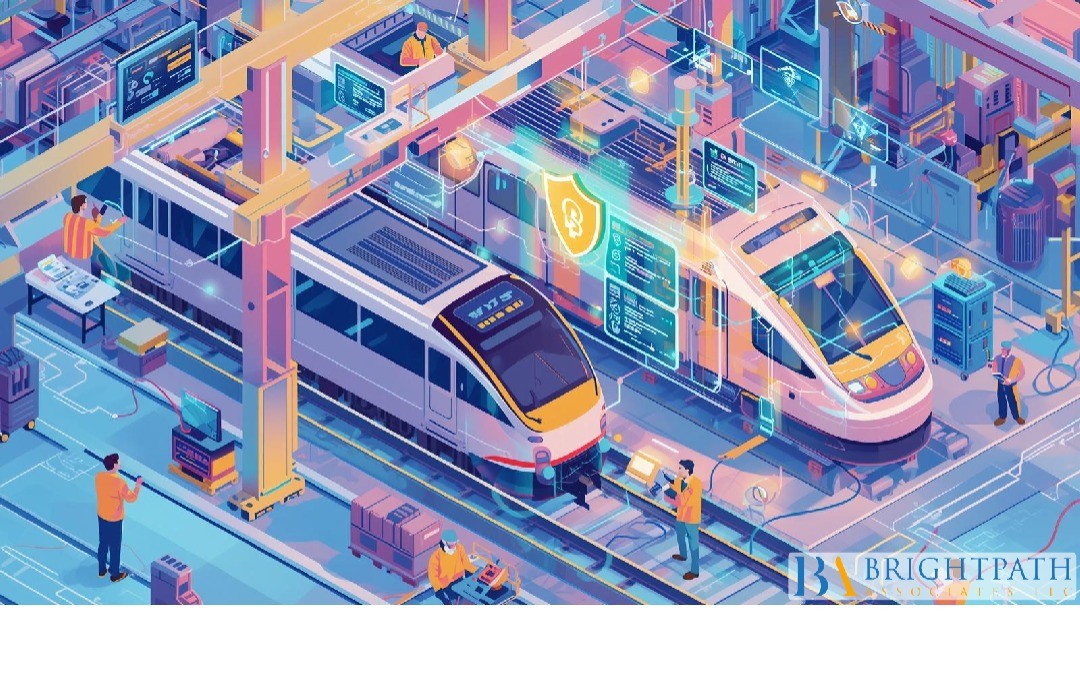
In an age where digital transformation is accelerating, even the most traditional industries like railroad manufacturing are becoming increasingly connected — and therefore increasingly vulnerable. For small and mid-sized enterprises operating within the railroad manufacturing industry, cybersecurity is no longer an IT concern relegated to the back office — it is a strategic business concern that impacts safety, operations, and competitive viability.
From digital design tools and connected production machinery to supply chain integration and operational data flows, the modern railroad manufacturer depends on interconnected systems that can be exploited if left inadequately protected. The impact of a cybersecurity breach in this sector can be far-reaching — from production disruption and intellectual property theft to equipment sabotage and regulatory exposure.
For broader insights into industry trends and workforce imperatives in the railroad manufacturing sector. To revisit the original discussion that inspired this article, see the source blog post here: Cybersecurity Threats in Railroad Manufacturing Industry.
Digital Risk Landscape in Railroad Manufacturing
Traditionally, railroad manufacturing relied heavily on mechanical engineering and physical infrastructure. However, as manufacturers adopt automation, digital design platforms, advanced analytics, and connected supply chain systems, the risk profile has shifted. Modern systems now integrate:
-
IT systems (enterprise planning, engineering design, procurement)
-
OT systems (industrial control systems managing machinery)
-
Sensors and Industrial IoT (IIoT) devices monitoring production
-
Networked communications for remote diagnostics and vendor collaboration
This convergence of Information Technology and Operational Technology opens pathways that cybercriminals actively exploit. Manufacturing environments are particularly attractive targets due to legacy systems, a wealth of proprietary assets, and sometimes insufficient cybersecurity maturity.
Why Railroad Manufacturers Are Attractive Targets
Several factors increase the vulnerability of railroad manufacturers:
-
Legacy Systems and Unpatched Technology: Much of the production equipment and control systems in industrial sectors operate on outdated software without built-in security — exposing critical systems to exploitation.
-
Supply Chain Complexity: Railroad manufacturers collaborate with multiple suppliers and partners, each presenting potential points of weakness that attackers can leverage. Supply chain attacks have become a preferred tactic, especially when partners have inconsistent security postures.
-
Converged IT/OT Systems: The blurring line between IT and OT networks increases exposure — once attackers penetrate one side, they can move laterally to impact production systems, safety controls, and proprietary data.
-
Rising Sophistication of Attacks: From ransomware that encrypts valuable data to phishing campaigns and industrial espionage designed to exfiltrate intellectual property, threats are evolving in both technique and impact.
Core Cybersecurity Risks Railroad Manufacturers Face
Understanding specific threat vectors is crucial for leaders crafting effective risk strategies:
-
Ransomware and Malware Attacks: Ransomware continues to be one of the most damaging attacks for industrial companies. It encrypts critical systems and can halt production lines, causing extended downtime and financial losses.
-
Supply Chain Exploits: In supply chain attacks, adversaries target weaker third-party systems to gain access to a larger network, exposing connected systems across partners and suppliers.
-
Industrial Espionage and IP Theft: Railroad manufacturers invest heavily in engineering designs, patents, and specialized components. Cyber threats aimed at stealing proprietary information can undermine competitive positioning and long-term profitability.
-
Operational Downtime and Service Interruption: A cyber compromise that disrupts production can have cascading effects on delivery commitments, customer relationships, and contractual obligations. Downtime not only erodes revenue but also affects reputation and market confidence.
-
Human and Insider Threats: Employees, contractors, and vendors with access to critical systems can unintentionally introduce risk through phishing scams, weak passwords, or accidental disclosure. Insider threats are challenging to mitigate without robust policies and training.
Human and Leadership Factor in Security
Technology and frameworks form the backbone of cybersecurity, but leadership, culture, and talent are equally vital. Robust cybersecurity leadership requires professionals who understand both the technical landscape and strategic imperatives — including CTOs, CISOs, OT security leads, and risk managers capable of aligning cybersecurity with broader organizational objectives.
Small to mid-sized railroad manufacturers often face talent shortages in this domain. Securing leadership with the right combination of industry experience and cybersecurity expertise enables organizations to stay ahead of evolving threats and ensures that security is embedded in decision-making at the executive level.
Looking Ahead: Cybersecurity as a Strategic Advantage
As the railroad manufacturing industry continues to adopt digital tools, connected machinery, and advanced analytics to enhance productivity and competitiveness, cybersecurity must be integrated into strategic planning — not treated as an afterthought.
Organizations that proactively manage cyber risk — through robust governance, continuous monitoring, workforce training, and strategic talent acquisition — will secure operational resilience, protect intellectual property, and preserve stakeholder trust.
