Protecting Irrigation Systems from Rust Damage Effectively
Author : Rust Doctors FL LLC | Published On : 16 Jun 2026
Understanding the Importance of Rust Prevention in Irrigation Systems
Irrigation systems play a vital role in maintaining healthy landscapes, agricultural fields, and commercial properties. However, one of the most common challenges affecting these systems is rust formation. Rust can weaken pipes, valves, sprinklers, and other essential components, leading to costly repairs and reduced efficiency. Working with a professional irrigation rust company can help property owners identify potential issues before they escalate into major problems.
Rust develops when metal surfaces are exposed to moisture and oxygen over extended periods. Since irrigation systems are constantly in contact with water, they are especially vulnerable to corrosion. Without proper maintenance and preventative measures, rust can gradually compromise the performance and lifespan of the entire system.
Common Causes of Rust in Irrigation Infrastructure
Several factors contribute to rust formation within irrigation systems. Understanding these causes is the first step toward implementing effective prevention strategies.
One major factor is continuous exposure to water. Metal pipes and fittings that remain damp for long periods create ideal conditions for oxidation. Water quality also plays a significant role. High mineral content, acidic conditions, and contaminants can accelerate corrosion processes.
Environmental conditions such as humidity, temperature fluctuations, and soil composition can further increase rust development. In coastal regions, salt-laden air can significantly speed up metal deterioration. Additionally, poor installation practices and neglected maintenance can leave irrigation equipment susceptible to premature corrosion.
Warning Signs of Irrigation Rust Problems
Recognizing early signs of rust damage can help property owners address issues before they become severe. Common indicators include discoloration on metal surfaces, reddish-brown stains around sprinkler heads, and visible corrosion on exposed components.
Reduced water pressure may also signal internal rust buildup within pipes. As corrosion accumulates, water flow becomes restricted, affecting irrigation efficiency. Leaks, unusual noises, and malfunctioning valves are additional signs that rust may be impacting system performance.
Routine inspections allow homeowners and facility managers to identify these symptoms early and seek professional assistance when necessary.
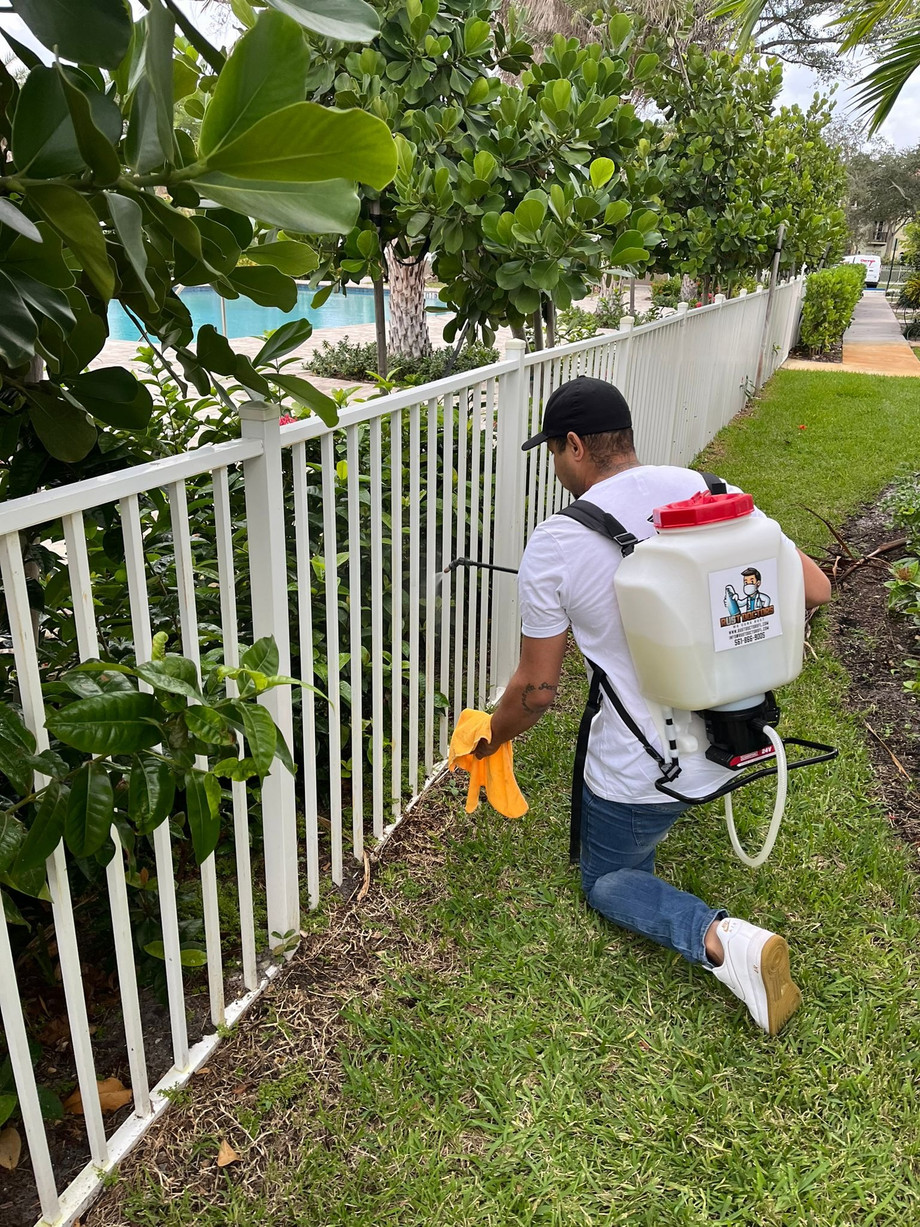
The Impact of Rust on Irrigation Performance
Rust does more than create an unsightly appearance. Corrosion can significantly affect irrigation system functionality. Damaged pipes and fittings often develop leaks, resulting in water waste and increased utility costs.
When rust particles enter the water flow, they may clog sprinkler nozzles and filters. This blockage can lead to uneven water distribution, leaving certain areas overwatered while others remain dry. In agricultural settings, inconsistent irrigation can negatively impact crop health and yield.
Furthermore, replacing severely corroded components can become expensive, making preventative maintenance a more cost-effective long-term solution.
Preventive Measures for Long-Term Protection
Protecting irrigation systems from rust requires a proactive approach. One of the most effective strategies is selecting corrosion-resistant materials during installation. Stainless steel, coated metals, and certain plastic components offer greater resistance to rust than traditional untreated metals.
Regular system inspections are equally important. Checking for leaks, standing water, and visible corrosion helps identify problems early. Cleaning sprinkler heads and removing debris can also prevent moisture retention that contributes to rust formation.
Water treatment solutions may be beneficial in areas with challenging water quality. Adjusting pH levels and reducing mineral concentrations can help slow corrosion rates. Applying protective coatings to exposed metal surfaces adds another layer of defense against environmental factors.
Why Professional Rust Management Services Matter
Many property owners underestimate the complexity of rust prevention and treatment. Professional specialists possess the expertise and equipment needed to assess corrosion risks accurately and recommend customized solutions.
Experienced technicians can identify hidden corrosion inside pipes and underground components that may not be visible during routine inspections. They also understand how environmental conditions affect different irrigation systems and can implement targeted strategies to maximize durability.
Partnering with a reliable service provider helps ensure that irrigation infrastructure remains efficient, safe, and operational for years to come.
Choosing the Right Rust Prevention Partner
Selecting a qualified rust control company is essential for maintaining the integrity of irrigation systems. A reputable provider should offer comprehensive inspection services, preventative maintenance programs, and effective corrosion treatment solutions.
Look for companies with a proven track record, knowledgeable technicians, and a commitment to long-term customer satisfaction. Transparent communication and tailored recommendations demonstrate a company's dedication to addressing each property's unique needs.
Investing in professional rust management services can significantly reduce maintenance costs while extending the lifespan of critical irrigation components.
Conclusion
Rust remains one of the most persistent threats to irrigation systems, but it can be effectively managed through regular inspections, preventative maintenance, and professional expertise. By understanding the causes of corrosion and implementing proactive protection measures, property owners can preserve system efficiency and avoid costly repairs. For dependable guidance and specialized solutions, rustdoctorsfl.com provides valuable support in helping irrigation systems remain durable, reliable, and rust-free for the long term.
social media links :-
