Protecting Homes from Water Damage: A Guide to Effective Restoration
Author : BOSS Disaster Restoration, Inc. | Published On : 03 Nov 2026
Understanding the Impact of Water Damage
A leaking pipe, overflowing appliance, or sudden storm can turn a comfortable home into a stressful environment within minutes. Water damage often begins quietly but can quickly affect walls, flooring, ceilings, furniture, and electrical systems. In coastal communities, changing weather conditions and heavy rainfall can increase the risk of unexpected moisture problems. Finding a reliable restoration company mount pleasant sc is an important consideration for homeowners who want to protect their properties. Understanding how water damage develops, why immediate attention matters, and what professional restoration involves can help prevent unnecessary complications and expenses.
Why Professional Restoration Services Matter
Water intrusion is not always limited to the areas visible on the surface. Moisture can travel behind drywall, beneath flooring, and into insulation, creating conditions that encourage mold growth and structural deterioration. Homeowners searching for a restoration company mount pleasant sc should understand the value of professional assessment and appropriate restoration techniques. Experienced restoration specialists use moisture detection equipment to identify affected areas and determine the extent of the problem. Their systematic approach helps ensure that hidden water is addressed rather than simply covering visible stains, reducing the likelihood of recurring damage and expensive repairs later.
Common Causes of Residential Water Damage
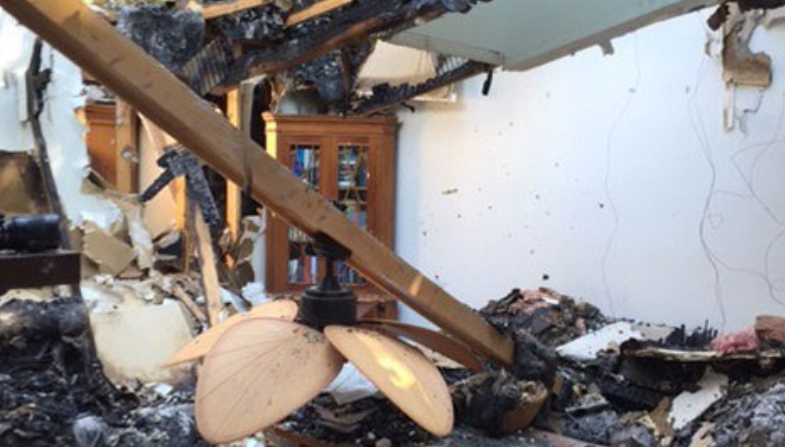
Residential water damage can develop from several sources, ranging from minor plumbing failures to significant weather-related incidents. Burst pipes, leaking water heaters, damaged roofing materials, clogged drains, and malfunctioning washing machines are common causes. Coastal properties may also experience water intrusion following intense storms, flooding, or prolonged rainfall. Even a small plumbing leak can gradually weaken building materials when left unattended. Recognizing early warning signs, including unusual odors, peeling paint, damp carpets, and unexplained wall discoloration, allows property owners to investigate problems before moisture spreads into additional rooms or causes more extensive structural concerns.
The Importance of Timely Water Damage Repair
Time plays a significant role in determining how extensively moisture affects a property. Once water enters a building, porous materials can absorb it quickly, making prompt water damage repair essential. Professional technicians generally begin by identifying the water source, assessing affected materials, and establishing an appropriate restoration plan. Removing standing water is followed by controlled drying and dehumidification to address moisture that remains within building components. Delaying these procedures can increase the possibility of mold development, unpleasant odors, and material deterioration. A timely response helps limit further damage and supports a more manageable restoration process.
Essential Steps in the Water Damage Repair Process
An effective restoration project requires more than removing visible water and replacing damaged materials. The water damage repair process typically involves several coordinated stages, beginning with property inspection and damage assessment. Technicians identify moisture levels using specialized instruments before selecting suitable extraction and drying methods. Affected furniture and belongings may require separate cleaning or treatment, depending on the contamination involved. After the drying process, damaged drywall, insulation, flooring, or other building materials can be evaluated for repair or replacement. Proper documentation throughout these stages also helps property owners understand the work performed and evaluate potential insurance claims.
Preventing Future Moisture Problems
Although unexpected water incidents cannot always be avoided, regular property maintenance can reduce many common risks. Homeowners should periodically inspect plumbing connections, appliance hoses, water heaters, and drainage systems for signs of deterioration. Roofs, gutters, and downspouts also deserve attention, particularly before periods of heavy rainfall. Maintaining proper ventilation in bathrooms, kitchens, and laundry areas can help control indoor humidity. Checking basements, crawl spaces, and other moisture-prone locations may reveal developing issues before they become serious. Preventive maintenance is a practical way to preserve building materials, protect household belongings, and reduce the likelihood of expensive restoration work.
Choosing the Right Restoration Approach
Selecting an appropriate restoration provider requires careful consideration of experience, equipment, communication, and service procedures. Property owners should look for professionals who explain inspection findings clearly and provide realistic information about the restoration timeline. Proper moisture measurement, safe water removal, effective drying equipment, and attention to potentially contaminated materials are important elements of responsible service. It is also useful to understand whether the provider can assist with documentation for insurance purposes. Comparing these factors helps homeowners make informed decisions instead of choosing a service based solely on advertising or the lowest initial estimate.
Protecting Property Value Through Informed Decisions
A property represents a substantial financial investment, and maintaining its condition requires attention to problems that may not always be immediately visible. Water-related incidents can affect indoor air quality, structural materials, personal belongings, and the overall comfort of a household. Understanding the restoration process allows homeowners to respond more confidently when unexpected situations arise. Reliable information, regular inspections, and timely professional assistance can make a meaningful difference in protecting residential spaces. Taking preventive measures today also helps reduce the possibility of more complicated repairs and supports the long-term condition and value of the property.
Conclusion
Water-related property damage requires careful attention, informed decisions, and a structured approach to recovery. From identifying hidden moisture to restoring affected materials, every stage contributes to a safer and more comfortable living environment. Homeowners can benefit from understanding common warning signs, maintaining essential household systems, and seeking qualified assistance when unexpected problems occur. For additional information about property restoration services and available solutions, Boss247om can be explored as a helpful resource. Ultimately, consistent maintenance and timely action remain important factors in preserving homes, protecting valuable belongings, and maintaining confidence in the condition of a property.
