Professional Language Interpretation Services in Singapore: A Complete Business Guide
Author : Letter crafts | Published On : 18 May 2026
In a global business hub like Singapore, communication plays a critical role in building partnerships, closing deals, and maintaining trust across cultures. Companies today interact with clients, investors, healthcare professionals, legal authorities, and multinational teams speaking different languages every day. In such environments, professional interpretation services are not just useful—they are essential.
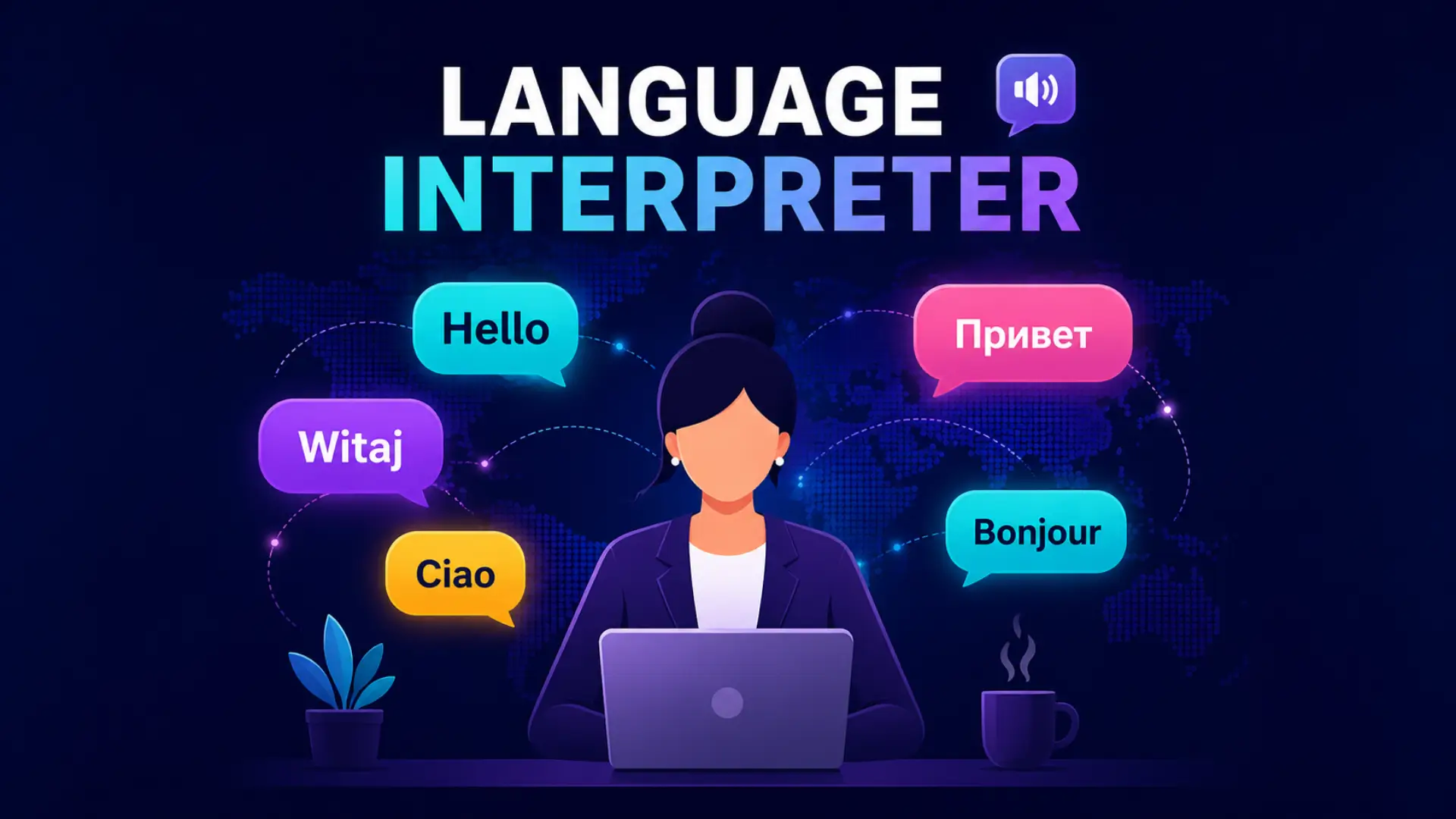
A single misunderstanding during a negotiation, conference, or legal discussion can result in delays, financial losses, or damaged business relationships. This is why organizations increasingly rely on professional language interpretation services in Singapore to ensure accurate, real-time communication.
This guide explores the importance of interpretation services, the different interpretation modes available, industries that depend on them, and how businesses can choose the right interpretation provider.
Understanding Language Interpretation Services
Language interpretation refers to the real-time conversion of spoken or signed communication from one language into another while preserving meaning, tone, and intent. Unlike translation, which focuses on written content, interpretation happens live during meetings, events, consultations, or discussions.
Professional interpreters do much more than speak two languages fluently. They are trained specialists capable of:
- Processing speech quickly and accurately
- Handling technical terminology
- Understanding cultural nuances
- Managing formal communication settings
- Maintaining confidentiality and neutrality
- Working with interpretation equipment and virtual platforms
Interpretation is a highly skilled profession that requires training, subject knowledge, and practical experience.
Interpretation vs. Translation
Many businesses mistakenly use the terms “translation” and “interpretation” interchangeably, but they are very different services.
Translation
- Focuses on written documents
- Includes contracts, websites, manuals, and reports
- Usually completed over hours or days
- Charged per word or per page
Interpretation
- Focuses on spoken communication
- Used in meetings, conferences, hearings, and consultations
- Happens in real time
- Typically charged by the hour, half-day, or full-day
Understanding this difference helps businesses choose the right service for their communication needs.
Why Singapore Businesses Need Interpretation Services
Singapore is one of Asia’s most internationally connected economies. With English, Mandarin, Malay, and Tamil as official languages, the country regularly hosts multicultural business interactions.
Organizations in Singapore often work with partners from:
- China
- Japan
- Korea
- Indonesia
- Vietnam
- Europe
- India
- The Middle East
Because of this diversity, professional interpretation services have become critical across many sectors.
Cross-Border Business Deals
International negotiations and partnerships require precise communication. Misunderstandings involving technical or legal terminology can delay agreements and create financial complications.
Healthcare Communication
Hospitals and clinics frequently serve patients who speak different languages or dialects. Accurate medical interpretation helps ensure patient safety and informed consent.
Legal and Government Proceedings
Court hearings, arbitration sessions, immigration matters, and public sector consultations require certified interpreters to ensure fairness and compliance.
Conferences and Events
Singapore hosts numerous international conferences, exhibitions, and summits. Simultaneous interpretation allows multilingual audiences to participate effectively.
Major Types of Interpretation Services
Different situations require different interpretation methods. Choosing the correct interpretation mode improves efficiency, communication quality, and overall event success.
1. Simultaneous Interpretation
In simultaneous interpretation, interpreters translate speech almost instantly while the speaker continues talking. Attendees listen through headsets connected to interpretation equipment.
This mode is commonly used for:
- International conferences
- Business summits
- Large seminars
- Multilingual corporate events
Because simultaneous interpretation requires intense concentration, interpreters usually work in pairs and rotate every 20–30 minutes.
Benefits
- Saves time
- Ideal for large audiences
- Maintains event flow
2. Consecutive Interpretation
In consecutive interpretation, the speaker pauses after several sentences, allowing the interpreter to deliver the translated message.
This method works well for:
- Business meetings
- Medical consultations
- Legal interviews
- Press conferences
Benefits
- No special equipment required
- Suitable for smaller groups
- More conversational and personal
However, meetings typically take longer because communication happens in segments.
3. Whispered Interpretation (Chuchotage)
Whispered interpretation involves the interpreter quietly translating speech for one or two listeners in real time.
This method is best suited for:
- Factory visits
- Board meetings
- Small delegations
- Site inspections
It requires no technical setup and works well in intimate business environments.
4. Remote Simultaneous Interpretation (RSI)
Remote interpretation has become increasingly popular with the rise of hybrid and virtual meetings. Interpreters work remotely using platforms such as Zoom, KUDO, Webex, or Interprefy.
RSI is ideal for:
- Online conferences
- Cross-border webinars
- Hybrid corporate events
- International virtual meetings
Benefits
- Reduced travel costs
- Greater flexibility
- Access to interpreters worldwide
5. Over-the-Phone and Video Interpretation
On-demand interpretation services are often used in customer service, healthcare, or emergency situations where immediate communication support is needed.
These services are valuable when businesses require fast access to interpreters without scheduling lengthy appointments.
6. Escort Interpretation
Escort interpreters accompany business delegates during meetings, tours, negotiations, or trade visits.
This service is particularly useful for:
- Executive delegations
- Trade missions
- International site visits
- Due diligence meetings
The interpreter not only translates conversations but also assists with cultural communication.
7. Sign Language Interpretation
Sign language interpretation supports communication for Deaf and hard-of-hearing individuals. In Singapore, this may include Singapore Sign Language (SgSL) or international sign systems.
This service is essential for:
- Public events
- Corporate inclusivity programs
- Legal proceedings
- Broadcasts and educational sessions
Industries That Depend on Interpretation Services
Professional interpretation is essential across multiple industries in Singapore.
Legal Sector
Law firms and arbitration centers require interpreters for hearings, witness interviews, and multilingual documentation discussions.
Healthcare and Medical Services
Hospitals rely on interpreters for patient consultations, mental health assessments, and medical research communication.
Banking and Finance
Financial institutions use interpreters during investor meetings, wealth management consultations, and compliance discussions.
Government and Diplomacy
Government agencies frequently require interpretation during bilateral meetings and public sector engagements.
Conferences and Events
Global trade shows, exhibitions, and conventions rely heavily on simultaneous interpretation systems.
Manufacturing and Engineering
Factories and technical operations often involve multilingual supplier negotiations, audits, and training sessions.
How to Choose the Right Interpretation Provider
Selecting the right interpretation service provider can significantly impact communication quality and business outcomes.
Verify Credentials
Always ask about interpreter qualifications, certifications, and industry experience. Legal and medical assignments should only involve trained professionals.
Match the Interpretation Mode
The provider should recommend the most suitable interpretation format for your meeting or event size.
Evaluate Industry Expertise
A technical engineering discussion requires different expertise than a legal hearing or healthcare consultation.
Review Technology and Equipment
For conferences and hybrid events, ensure the provider can manage booths, microphones, headsets, and remote interpretation platforms.
Ensure Confidentiality
Professional providers should offer NDAs and secure communication practices, especially for sensitive industries.
Request Transparent Pricing
Clear pricing should include:
- Interpreter fees
- Equipment charges
- Travel expenses
- Overtime policies
- Technical support
Assess Responsiveness
Reliable providers ask detailed questions about your event, audience, language pair, and objectives before offering solutions.
Professional Agencies vs. Freelancers vs. AI Tools
Businesses today have multiple options for multilingual communication support.
Professional Interpretation Agencies
- Provide trained specialists
- Offer technical equipment and project management
- Ensure confidentiality
- Deliver consistent quality
Freelance Interpreters
Freelancers can be effective for smaller projects, but availability, specialization, and backup support may vary.
AI Interpretation Tools
AI tools can assist with casual communication but still struggle with:
- Industry terminology
- Cultural nuance
- Accents and dialects
- Sensitive or high-stakes discussions
For legal, medical, financial, or corporate communication, professional human interpretation remains the most reliable solution.
Factors That Affect Interpretation Costs
Several elements influence interpretation pricing in Singapore.
Language Pair
Common language combinations such as English–Mandarin are generally more affordable than rare language pairs.
Interpretation Mode
Simultaneous interpretation is usually more expensive because it requires multiple interpreters and equipment.
Duration
Most interpreters charge by half-day or full-day sessions, even for shorter assignments.
Subject Complexity
Specialized legal, medical, or technical interpretation typically costs more due to expertise requirements.
Equipment and Logistics
Large conferences may require booths, headsets, microphones, technicians, and remote platform support.
Final Thoughts
In Singapore’s multilingual business environment, professional interpretation services are essential for clear, accurate, and culturally effective communication. Whether it is a legal proceeding, medical consultation, international conference, or cross-border business meeting, the right interpreter helps organizations avoid misunderstandings and build stronger relationships.
Choosing experienced interpretation professionals ensures communication remains accurate, confidential, and efficient. Businesses that invest in high-quality interpretation services not only reduce risks but also create smoother international collaborations and better customer experiences.
Companies like LetterCrafts continue to support organizations across Singapore with specialized interpretation solutions tailored to legal, medical, technical, financial, and corporate communication needs.
