Process Safety Management: Essentials for Chemical Plants
Author : Jimmy Patel | Published On : 27 Feb 2026
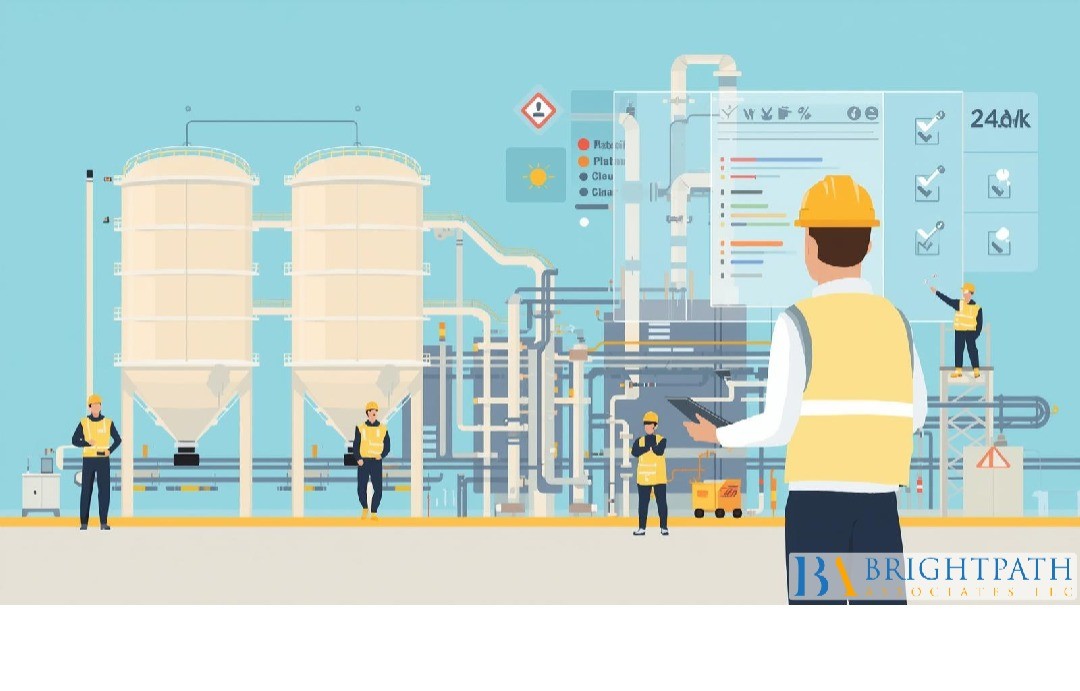
In the U.S. chemical manufacturing sector, Process Safety Management (PSM) is far more than a regulatory checklist — it’s a strategic framework that protects lives, property, community well-being, and business continuity. Whether you operate specialty chemical lines or complex production units, embedding strong PSM practices is a competitive imperative, not just a compliance obligation.
At BrightPath Associates LLC, we work closely with chemical industry leaders to help them bridge talent, operational excellence, and safety performance. Integrated PSM systems are a cornerstone of modern chemical facilities, and today’s executives must understand both the principles and practical execution of process safety fundamentals.
Before we dive deeper into the technical essentials, let’s contextualize where process safety fits within the broader landscape of performance and risk management in the chemicals industry. Quality PSM is one of the most impactful ways to enhance operational resilience, attract top engineering talent, and diminish costly disruptions.
Why Process Safety Management Matters
Process safety focuses on preventing major incidents that could result from releases of highly hazardous chemicals — such as fires, explosions, or toxic exposures. These catastrophic events not only endanger workers and communities, they can cripple operations, invite legal liabilities, and damage reputation.
Unlike personal safety measures, which protect against routine injuries (like slips or falls), PSM systems are engineered to control and manage processes involving hazardous materials at scale. They are particularly relevant for chemical plants, refineries, petrochemical sites, and any facility where the handling, processing, or storage of dangerous substances is routine.
Core Elements of Process Safety Management
While the full technical standard may vary by jurisdiction and regulatory regime, most effective PSM systems — including OSHA’s U.S. framework — are built on a set of interrelated components that work together to prevent incidents before they occur.
1) Process Safety Information (PSI): Build a Foundation of Knowledge
The first step in any robust PSM program is to compile accurate and detailed information on:
-
Hazardous chemicals and their properties
-
Equipment design and specifications
-
Process technologies in use
This repository forms the basis for hazard assessments, training, and risk analysis efforts.
2) Process Hazard Analysis (PHA): Identify What Could Go Wrong
PHA is a systematic evaluation of potential hazards inherent in process operations. Tools like Hazard & Operability Studies (HAZOP), What-If analysis, or Failure Mode & Effects Analysis (FMEA) help teams uncover risk scenarios and prioritize mitigation strategies early and proactively.
Recognized as the heart of any PSM system, a thorough PHA integrates engineering judgment with operational insight and sets the tone for every other safety activity.
3) Operating Procedures: Standardize for Success
Clear, written operating procedures transform best intentions into real outcomes. These documents must cover:
-
Startup and shutdown operations
-
Normal production runs
-
Emergency response actions
Standardization minimizes variance in human performance and ensures that even complex or unexpected conditions are handled safely and predictably.
4) Training and Competency: Empower Your Workforce
No safety program succeeds without people who understand it. Chemical operations staff — from plant operators to maintenance crews — require:
-
Initial training on hazards and procedures
-
Refresher sessions at scheduled intervals
-
Drills that simulate emergency conditions
Competent employees contribute to safer plants and lower incident rates.
5) Mechanical Integrity: Maintain Reliability, Prevent Failures
A plant’s protective measures are only as good as the equipment behind them. Regular maintenance, inspections, and testing of:
-
Pressure vessels
-
Pipelines
-
Safety valves
-
Control systems
ensure the physical assets designed to contain or control hazardous processes behave as expected.
Embedding Safety Culture Across Your Organization
Process safety isn’t something that lives in a binder — it lives in the culture of your team. Leadership commitment, transparent communication, employee engagement, and continuous learning are core ingredients to making PSM effective and sustainable.
In fact, many chemical industry leaders now tie safety performance to operational metrics, executive review cycles, and talent development programs — recognizing that a safer plant is a more competitive plant.
Conclusion & Call to Action
Process Safety Management is a business imperative for every chemical facility that seeks to protect people, assets, and operational longevity. As the regulatory environment evolves and stakeholders demand stronger safety performance, organizations that embed disciplined PSM systems position themselves for long-term success.
To delve into the full strategic framework of PSM, including real-world implementation insights and best practices, visit the full article: Process Safety Management Essentials for Chemical Plants.
