Presentation of Evidence at Trial: Give Strength to You Case
Author : Matthew Kimmins | Published On : 25 Apr 2026
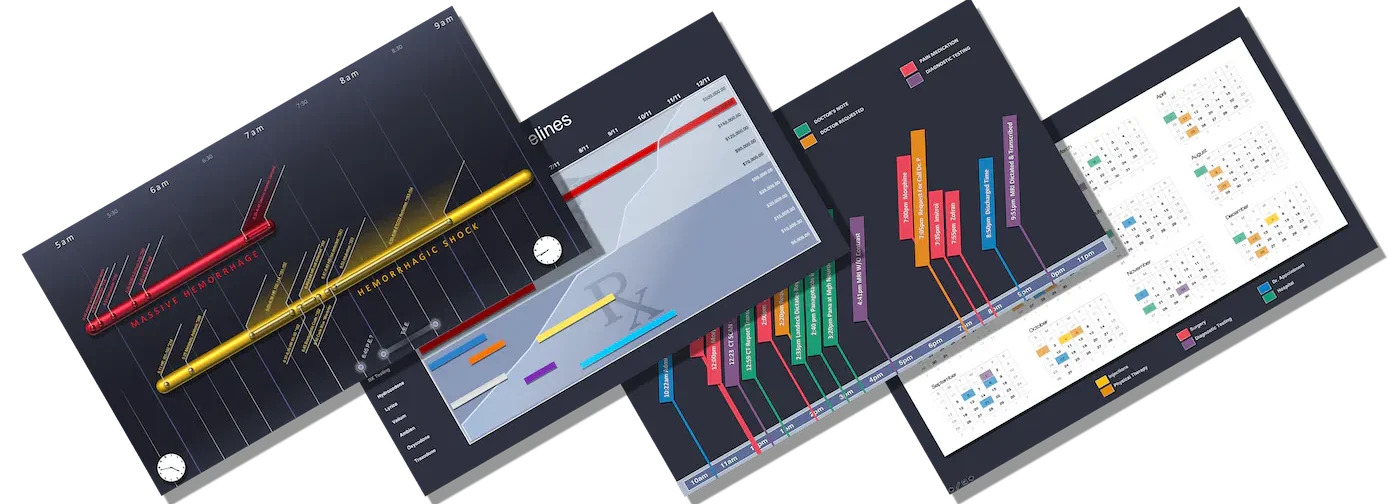
Today, the face of courtroom trails has changed for better. You should know courtrooms are no longer limited to verbal arguments, static documents and witness testimony. There has been rise in the complexity of cases especially in areas like medical malpractices, engineering failures, product liability, accidental reconstruction and more. The trial attorneys are taking help of visual tools such as litigation graphics and 3D animation to make their arguments strong and communicate it more effectively. In fact, it has helped in the presentation of evidence at trial. These latest technologies have transformed courtroom advocacy by making evidence clearer and more persuasive. Their importance doesn’t lie merely in visual appeal but also in their ability to translate complexity into clarity and credibility. It will ensure all the arguments are communicated with precision and right impact.
Why Right Presentation of Evidence at Trial Is So Necessary
In recent years, litigation graphics and 3D animation have emerged as a powerful tool for teaching and transforming complex information into a digestible and compelling visual to give strength to you case. Animation can bring a case to life and have a right impact on juries, judges, and tribunals than still images by comparison. In this evolving legal landscape, trial and litigation graphics along with 3D animation are being used as demonstrative evidence in the court of law. It is indeed a powerful tool that can greatly influence how cases are understood and decided.
Trial graphics and 3D animations are playing a transformative role by converting abstract concepts into visual formats. These materials can easily bridge the gap between expert knowledge and lay understanding. You should know a brilliantly designed graphic can condense pages of testimony into a single, intuitive image that can work for you. On the other hand, a 3D animation can reconstruct events in a way that will make you case immediately comprehensible. Trial graphics and 3D animation can easily simplify complex information without compromising on accuracy. You can use graphics like charts, diagrams, timelines etc to organize large volumes of data into digestible formats. For example, in financial litigation, you can illustrate intricate transactions and accounting practices with the help of flowcharts to clearly show use of funds. 3D animation can provide the juries and others a unique view of key issues that originally cannot be seen from a review of documents, reports, or films.
Choose Clinical Trial Templates to Ensure Consistency and Compliance
Today, clinical trial templates are being used on a large scale to save time. You can use the clinical trial template to design documents such as protocols, informed consent forms, case report forms etc. Trial templates provide a ready-made structure to you. It helps researchers to focus on customizing the content rather than building documents from the ground up. It will help researches in each phase of a study, ensuring consistency, compliance, and efficiency. Choosing clinical trial templates is not just a matter of convenience. It is truly an important decision that can greatly impact the success of your trial. This template can give large or small cases the much needed opportunity to receive the best possible representation to tell stories in a better way.
