Prenatal Yoga Poses for Pregnancy Back Pain Relief
Author : calmNest yoga | Published On : 21 Aug 2026
Back pain can become an uncomfortable part of pregnancy. As your baby grows, your posture, balance, and the way you move can change significantly. So if your lower back starts feeling sore after standing, walking, or sitting for a long time, you're not alone.
In fact, it's estimated that more than half of all pregnant people experience some degree of back discomfort. The good news is that gentle, safe movement can often help.
Prenatal yoga poses for pregnancy back pain relief offer a natural, accessible way to ease discomfort, improve mobility, and connect with your changing body. This guide will walk you through practical, beginner-friendly poses, explain why back pain happens during pregnancy, and show you how to move safely.
Quick Answer
Can prenatal yoga help with pregnancy back pain?
Yes, gentle prenatal yoga may help relieve pregnancy-related back pain by improving mobility, reducing muscle tension, and promoting relaxation. However, it cannot replace medical evaluation for severe, persistent, or concerning symptoms. Always consult your healthcare provider before starting any new exercise routine.
Why Does Your Back Hurt During Pregnancy?
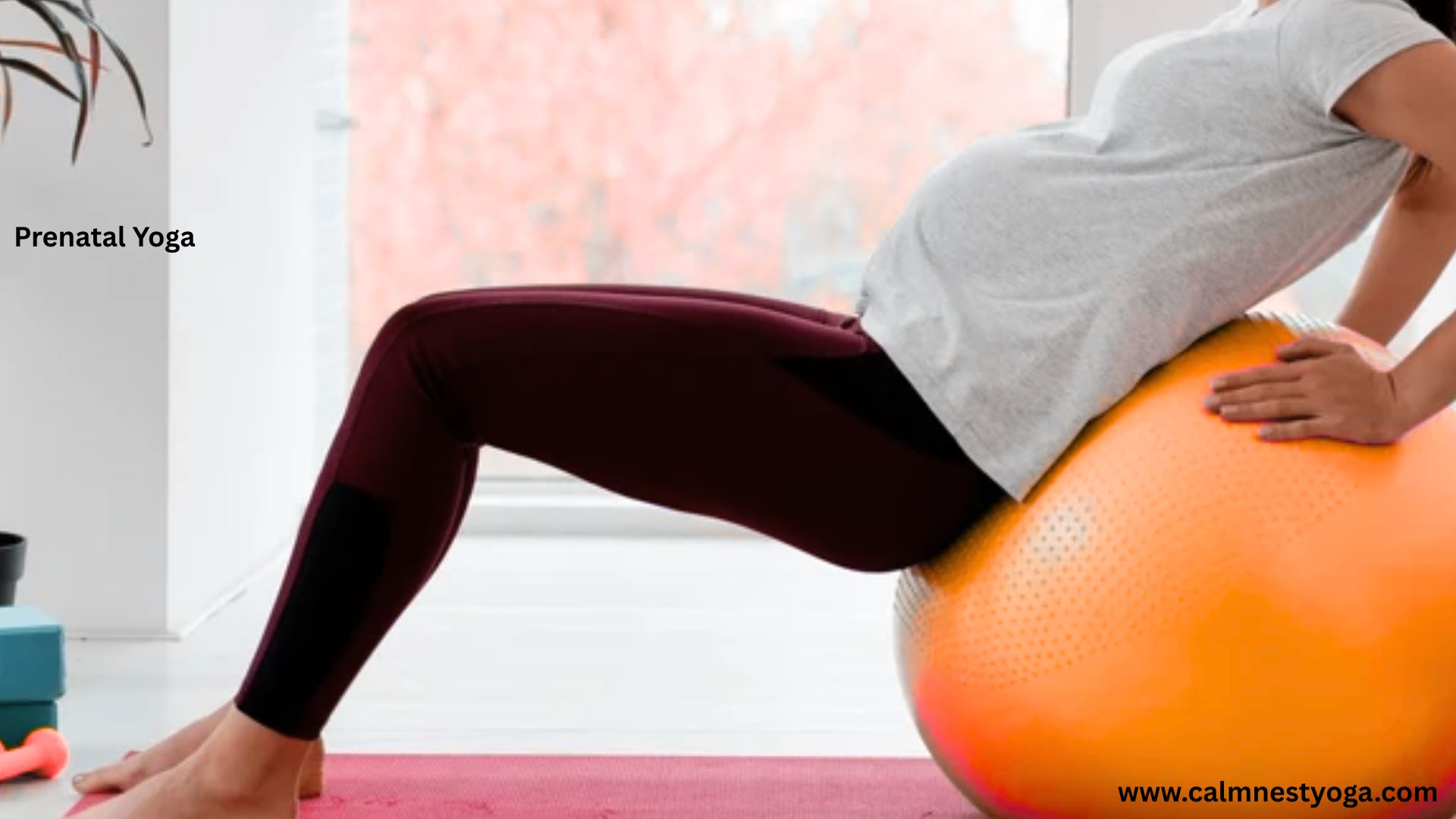
Understanding why your back hurts can help you approach relief with more awareness and compassion. During pregnancy, several factors contribute to back discomfort:
Changing Hormones: Your body produces hormones like relaxin and progesterone, which relax muscles and loosen ligaments and joints, especially in the pelvic area. This prepares your body for birth but can also lead to instability and discomfort.
Shifting Center of Gravity: As your uterus grows and becomes heavier, your center of gravity changes. This can lead to problems with balance and potential strain on your back muscles.
Postural Changes: The weight of your baby and weakening of belly muscles pull your lower spine forward, adding strain to back muscles. Many pregnant people respond by leaning back in an awkward posture, which increases back strain and pain.
Extra Weight and Physical Load: Carrying extra weight, especially in your belly, puts additional stress on your spine and supporting muscles.
Muscle Fatigue and Reduced Core Support: As your belly grows, your abdominal muscles stretch and can become less effective at supporting your spine, forcing your back muscles to work harder.
Think about what your body is doing every day. Your belly is growing, your balance is changing, and your lower back may have to work differently than it did before pregnancy. It's no wonder so many expecting mothers experience back discomfort.
Can Prenatal Yoga Help With Pregnancy Back Pain?
Yes, appropriately modified prenatal yoga may help many women manage pregnancy-related back pain by supporting gentle movement, stretching tight muscles, and promoting relaxation.
Here's how prenatal yoga can help:
- Gentle stretching can ease tension in tight back muscles
- Improved mobility can help you move more comfortably throughout the day
- Postural awareness can help you avoid movements that strain your back
- Breathing techniques promote relaxation and reduce stress-related muscle tension
- Body awareness helps you tune into what feels good and what doesn't
The combination of gentle movement, conscious breathing, and relaxation can be incredibly supportive during pregnancy. However, it's important to remember that yoga is not a substitute for medical evaluation when pain is severe, unusual, or accompanied by warning symptoms.
7 Prenatal Yoga Poses for Pregnancy Back Pain Relief
These gentle poses are designed to be safe for most pregnant women. Remember to move slowly, listen to your body, and never push into pain. If you're new to yoga or in your third trimester, consider practicing with support.
Cat-Cow Stretch
What it is: A gentle, flowing movement between two poses that warms up the spine and releases back tension.
How to do it: Start on your hands and knees in a tabletop position, with your wrists under your shoulders and your knees under your hips. Inhale as you arch your back, drop your belly, and lift your gaze (Cow). Exhale as you round your spine, tuck your chin, and draw your belly toward your spine (Cat). Move slowly with your breath.
Breathing: Inhale for Cow, exhale for Cat. This rhythmic breathing helps calm your nervous system.
How it may help: This pose stretches the spine and allows your belly to hang, which can help ease tension. It can be especially helpful if you experience back discomfort during labor.
Pregnancy modification: Keep movements small and gentle. Avoid arching too deeply. If your wrists feel uncomfortable, place a folded towel under them for support.
When to stop: Stop if you feel any pain in your wrists, back, or abdomen.
Modified Child's Pose
What it is: A resting pose that gently stretches the back and hips.
How to do it: From tabletop position, widen your knees to the edges of your mat, bringing your big toes together. Gently sit your hips back toward your heels. Rest your forehead on the floor or a block. Extend your arms forward or rest them alongside your body.
Breathing: Breathe deeply into your back, feeling the expansion and release with each breath.
How it may help: This pose relieves pressure from a growing belly while widening your hips and easing back pain. It's a wonderful way to rest and reset during your practice.
Pregnancy modification: Use a pillow or bolster under your chest or between your thighs for extra support. Place a blanket under your shins if your knees feel sensitive. The modified version with knees wide gives your belly space.
When to stop: Stop if you feel any strain in your knees or hips.
Pelvic Tilts
What it is: A gentle, controlled movement that strengthens your lower back and pelvic floor.
How to do it: Stand with your back against a wall. Press your lower back into the wall, tilting your pelvis slightly forward. Hold for a few seconds, then release. You can also do this on your hands and knees.
Breathing: Exhale as you tilt your pelvis, inhale as you release.
How it may help: Pelvic tilts can help relieve lower back pain and improve your posture as your belly grows. They also help strengthen the muscles that support your spine.
Pregnancy modification: Keep the movement gentle and controlled. If standing, use a wall for support. If on hands and knees, keep movements small.
When to stop: Stop if you feel any discomfort in your lower back.
Supported Butterfly Pose
What it is: A seated pose that opens the hips and groin.
How to do it: Sit on the floor with a tall spine. Bring the soles of your feet together, letting your knees fall out to the sides. Hold your feet or ankles gently.
Breathing: Inhale to lengthen your spine, exhale to gently press your knees down toward the floor.
How it may help: This pose opens the hips and may improve circulation in the pelvic area. Many women find it helps relieve tension in the lower back and hips.
Pregnancy modification: Sit on the edge of a folded blanket to tilt your pelvis forward and protect your lower back. Use cushions under your knees for support if needed.
When to stop: Stop if you feel any strain in your groin or hips. Do not bounce your knees.
Standing Side Stretch
What it is: A gentle standing stretch that releases tension in the side body.
How to do it: Stand with your feet about 2-3 feet apart. Inhale and raise one arm up by your ear. Exhale and gently bend your torso to the side. Keep your hips stable and your spine long.
Breathing: Inhale to lift, exhale to bend. Breathe deeply as you hold the stretch.
How it may help: This pose relieves tension in the side body and ribcage, giving your lungs more room to expand. It can help with shortness of breath, which is common in later pregnancy.
Pregnancy modification: Keep your feet stable and the movement small. Use a chair for support if you feel unsteady.
When to stop: Stop if you feel any strain in your side or back.
Supported Wide-Leg Forward Movement
What it is: A gentle forward bend that releases tension in the back and hips.
How to do it: Stand with your feet wide apart. Place your hands on a chair or countertop in front of you. Gently hinge forward from your hips, keeping your back straight. Let your head relax.
Breathing: Breathe deeply as you hold the position.
How it may help: This pose gently stretches the back and hamstrings, which can help relieve lower back pain.
Pregnancy modification: Do not fold deeply. Keep your back straight and use the chair for full support. Only go as far as feels comfortable.
When to stop: Stop if you feel any strain in your back or hips.
Gentle Hip Circles
What it is: A gentle, seated movement that mobilizes the pelvis and hips.
How to do it: Sit on a chair or stability ball with your feet flat on the floor. Gently circle your hips in one direction, then the other. Keep movements small and controlled.
Breathing: Breathe naturally.
How it may help: This movement can help relieve tension in the hips and lower back. It also improves pelvic mobility, which can be helpful for labor.
Pregnancy modification: Keep movements small and controlled. Stop if you feel any discomfort.
When to stop: Stop if you feel any pain or discomfort.
10-Minute Prenatal Yoga Routine for Pregnancy Back Pain
This short routine is designed to be gentle and accessible. You can do it any time of day when your back needs relief. Remember to listen to your body and modify as needed.
- Comfortable Breathing (1 minute): Sit or lie comfortably. Breathe deeply into your belly. Place one hand on your belly and feel it rise and fall with each breath. This helps calm your nervous system.
- Cat-Cow (2 minutes): Move slowly between Cat and Cow poses. Let your breath guide each movement. Inhale for Cow, exhale for Cat. Feel your spine warm up and release tension.
- Pelvic Tilts (2 minutes): Perform gentle pelvic tilts against a wall or on your hands and knees. This strengthens your lower back and helps relieve pain.
- Modified Child's Pose (1 minute): Rest in Child's Pose, breathing deeply. Let your body relax and feel the stretch in your back.
- Butterfly Pose (1-2 minutes): Sit in Butterfly Pose, breathing deeply. Open your hips and let go of tension.
- Standing Side Stretch (1 minute): Gently stretch each side. Reach up and feel the release in your ribcage.
- Relaxation Breathing (1-2 minutes): Lie on your left side (if in second or third trimester) or sit comfortably. Take slow, deep breaths. Let your entire body relax.
Morning Yoga Routine for Pregnancy Back Pain
Starting your day with gentle movement can make a big difference. Here's a simple morning sequence to try:
Getting Out of Bed Gently: Before you even sit up, take a few deep breaths. Roll onto your side and use your arms to push yourself up slowly. This protects your back.
Gentle Mobility: While still sitting on the edge of your bed, gently roll your shoulders and turn your head from side to side.
Cat-Cow: Move to your hands and knees and do a few rounds of Cat-Cow.
Pelvic Movement: Do a few pelvic tilts.
Side Stretching: Sit comfortably and gently stretch each side.
Breathing: End with a few minutes of deep breathing.
Pregnancy Stretches for Lower Back Pain
While yoga poses are helpful, simple stretches can also provide relief. The key is to stretch gently and never force yourself into a position.
Important: Pregnancy is not the time to force yourself into a deeper stretch just because you used to be flexible. Your body produces relaxin, which loosens your ligaments. This makes you more prone to injury if you overstretch.
Safe stretches for lower back pain include:
- Knee to Chest (Modified): Lie on your left side. Gently bring your right knee toward your chest. Hold for a few breaths, then release. Repeat on the other side.
- Hamstring Stretch: Sit on a chair. Extend one leg forward with your heel on the floor. Gently lean forward, keeping your back straight.
- Side Stretch: Sitting or standing, gently reach one arm up and over to the opposite side.
Learn more about safe pregnancy stretches in our detailed guide.
Pelvic Floor Exercises and Pregnancy Back Pain
Your pelvic floor and core muscles work together to support your spine. When these muscles are strong and balanced, they can help reduce back pain.
Gentle pelvic floor awareness can complement your yoga practice. However, it's important to remember that pelvic floor exercises are not a cure for back pain. They are part of a holistic approach to pregnancy wellness.
For more information, explore our guides on pelvic floor exercises during pregnancy and our comprehensive pelvic floor exercises pregnancy guide.
Breathing Exercises for Relaxation During Pregnancy
Controlled breathing can complement a gentle prenatal yoga routine. When your back hurts, you might tense up, which can make the pain worse. Conscious breathing helps you relax and release tension.
Try this simple breathing exercise:
- Sit or lie comfortably.
- Inhale slowly through your nose for a count of 4.
- Exhale slowly through your mouth for a count of 4.
- Continue for 5-10 breaths.
This can help calm your nervous system and reduce stress-related muscle tension. To learn more, explore our guide on pregnancy breathing exercises.
What Should You Avoid When Doing Yoga for Pregnancy Back Pain?
While yoga can be very helpful, there are some important precautions to keep in mind:
- Lying Flat on Your Back: After about 16-20 weeks, lying flat on your back can compress the vena cava, a major blood vessel, potentially reducing blood flow to you and your baby. This can cause dizziness and nausea.
- Deep Twists: Avoid closed twists that compress your abdomen. If you want to twist, do an "open twist" where you twist from your shoulders and chest.
- Overstretching: Your body produces relaxin, which loosens your ligaments. This is not the time to force your deepest stretch. Stop before you feel a deep pull.
- High-Impact Movements: Avoid jumping, bouncing, or other jarring movements.
- Hot Yoga: Overheating can be dangerous for your baby. Practice in a cool, ventilated space.
- Holding Your Breath: Always keep breathing during your practice.
- Exercising Through Pain: Stop immediately if you feel any pain, especially in your pelvis or back. Pain is your body's way of telling you to stop.
- Sudden Movements: Move slowly and with control. Sudden movements can strain your back.
When Is Pregnancy Back Pain NOT Something to Manage With Yoga?
It's important to know when back pain needs medical attention. Stop yoga and contact your healthcare provider if you experience:
- Severe or sudden back pain
- Pain that is persistent or worsening
- Back pain accompanied by vaginal bleeding
- Back pain accompanied by fluid leakage
- Back pain with fever
- Back pain with painful urination
- Back pain with significant abdominal or pelvic pain
- Back pain with regular contractions
- Back pain with weakness, numbness, or other concerning symptoms
- Dizziness, chest pain, or shortness of breath
These symptoms could indicate a more serious condition requiring medical evaluation. Your healthcare provider is the best person to assess your situation.
How CalmNest Yoga Can Support You
At CalmNest Yoga, we understand the challenges of pregnancy back pain. Our prenatal yoga classes are designed specifically for expecting mothers, with a focus on gentle, safe movement and expert guidance.
Explore CalmNest Yoga prenatal yoga classes to learn more about our pregnancy-focused sessions. Our certified instructors provide personalized guidance for beginners and experienced moms-to-be, all from the comfort of your home.
For any questions, please contact CalmNest Yoga.
Visit our homepage to learn more about our offerings.
Comparison Tables
Prenatal Yoga vs Regular Yoga for Pregnancy Back Pain
CalmNest Yoga vs Generic Yoga Classes for Pregnancy
Ready to Move More Comfortably During Pregnancy?
Don't let back pain overshadow this special time. With gentle prenatal yoga and expert guidance from CalmNest Yoga, you can find relief, build strength, and feel more confident in your changing body.
Explore CalmNest Yoga prenatal yoga classes today and discover the difference pregnancy-focused guidance can make. For any questions, contact CalmNest Yoga.
