Prefab Bathrooms: What They Are and Why Builders Are Choosing Them
Author : Alicia Molly | Published On : 19 May 2026
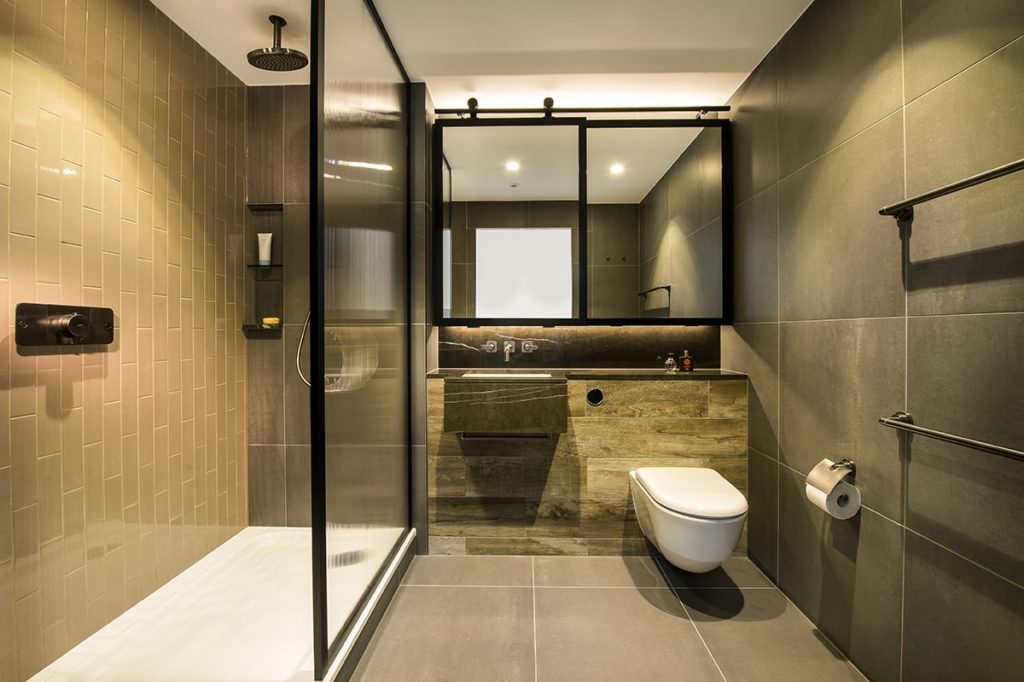
|
Summary: Prefab bathrooms are fully built bathroom units manufactured offsite and installed into buildings as complete assemblies. This approach shortens schedules, reduces coordination risk, and improves quality consistency—especially on large projects with repetitive layouts. |
If you’ve been on a construction site recently, you’ve likely felt the pressure that comes with coordinating trades in tight spaces, meeting inspection deadlines, and managing unpredictable weather delays. Bathrooms sit at the intersection of all these challenges. They involve plumbing, electrical, waterproofing, fire ratings, finishes, and even acoustics. Getting all of that right onsite, repeatedly, is hard.
That’s part of why prefab bathrooms have been gaining traction. They shift much of the complexity offsite, where systems are assembled in controlled environments before arriving at the project site, ready to install. But what exactly does that mean for builders, developers, and architects? And how do prefab bathrooms change the way we think about interior construction?
This blog takes a practical look at prefab bathrooms — what they are, how they’re built, where they’re most useful, and how they impact cost, schedule, and risk. We’ll also cover common misconceptions and answer the questions teams ask most.
What Are Prefab Bathrooms?
At its core, a prefab bathroom is a bathroom unit that is designed, assembled, and finished offsite, then delivered to the project for installation. Unlike traditional bathrooms, where trades come in one after another (framing, plumbing, electrical, waterproofing, tiling, fixtures), prefab bathrooms arrive as a complete piece.
A prefab bathroom typically includes:
- Structural framing that ties back to the building
- All plumbing and electrical rough-ins and trim
- Factory-applied waterproofing
- Finished walls, floors, ceilings
- Installed fixtures (toilet, sink, shower/bath)
In the field, prefab bathrooms are positioned, connected to building utilities, and inspected — not built trade by trade.
That shift in where and when the work happens is significant. It changes risk, timeline, coordination, and ultimately, project outcomes.
How Prefab Bathrooms Are Made
Unlike traditional onsite work, prefab bathroom production happens in a factory. That controlled environment brings two major advantages:
- Consistency: Workers build the same things every day under predictable conditions.
- Verification: Systems (plumbing, electrical, waterproofing) can be tested before shipment.
Here’s a simplified view of how they’re made:
|
Step |
What Happens |
|
Design Alignment |
Architectural and engineering teams lock in layouts early |
|
Framing |
A structural frame is built to match building plans |
|
Systems Installation |
Plumbing and electrical are fully roughed in |
|
Waterproofing |
Factory conditions allow reliable application and testing |
|
Finishes |
Walls, floors, and fixtures are completed |
|
Quality Checks |
Tests and inspections ensure systems function before packing |
When done right, this process produces units that are ready to install — not ready to be finished.
Where Prefab Bathrooms Add the Most Value
Prefab bathrooms are particularly effective in projects with repetitive layouts and tight delivery timelines. Here are the environments where we see the most benefit:
Hospitality
Hotels and resorts often have hundreds of rooms with nearly identical bathrooms. Prefab systems allow consistent quality without repeated onsite coordination.
Multifamily Residential
From mid-rise apartments to large high-rises, prefab bathrooms reduce onsite labor pressure and improve schedule predictability.
Student Housing
Educational facilities with dormitories benefit from the repeatability of prefab systems, helping meet strict occupancy deadlines.
Healthcare Facilities
Hospitals and senior living centers require rigorous compliance and reliability. Offsite construction supports audiovisual documentation and tested systems, which align with stringent code review processes.
What Prefab Bathrooms Change: Cost, Schedule, and Risk
Team conversations often revolve around three factors: time, money, and risk. Here’s how prefab bathrooms influence each:
Schedule
Because bathrooms are assembled while site work continues, interior finishes aren’t left on the critical path. In many cases, prefab bathrooms allow interior fit-out to begin sooner and finish tighter to schedule.
Labor
Skilled trades, especially plumbers and electricians, are in high demand. Prefab bathrooms shift much of this labor to factories that have dedicated crews and stable work conditions, reducing onsite labor risk.
Quality and Risk
Bathrooms are one of the most frequent sources of post-construction issues — particularly related to waterproofing and finishes. When these systems are installed and inspected in a factory, the likelihood of field errors drops significantly.
However, prefab bathrooms do not eliminate risk. They change when and where the risk must be managed:
- Design decisions must be finalized earlier
- Tolerance planning on site must be precise
- Offsite change orders can be more costly once pods are set
In other words, the shift to prefab pushes risk into design and early coordination rather than leaving it in the field.
Common Misconceptions About Prefab Bathrooms
Even teams that are interested in prefab bathrooms often hold assumptions that aren’t accurate. Here are a few common ones:
Myth: Prefab bathrooms are only for repetitive projects.
Reality: While repetition magnifies benefit, some projects use prefab systems for quality control or labor relief even with variation.
Myth: They’re only about speed.
Reality: Yes, prefab can be faster — but the bigger value for many teams is schedule predictability and risk reduction.
Myth: Prefab means less flexibility.
Reality: Modern systems support a range of finishes and layouts, provided design decisions are coordinated early.
How Teams Prepare for Prefab Bathroom Integration
Prefab bathrooms aren’t a plug-and-play appliance. Successful adoption depends on early and deliberate planning:
- Lock bathroom layouts in design development
- Coordinate MEP risers before CDs
- Confirm structural interface points early
- Review finish selections before manufacturing
- Plan crane or delivery logistics in advance
When these elements are handled upfront, prefab bathrooms behave more like systems and less like surprises.
Conclusion
Prefab bathrooms represent a shift in how interior spaces are built — from staged onsite trade work to engineered, factory-assembled systems. For projects where schedule certainty, quality repeatability, and labor coordination matter, prefab bathrooms can provide real value.
Understanding where and how they fit into your process — early design decisions, code compliance, and installation planning — makes all the difference in outcomes. This approach isn’t about avoiding onsite work; it’s about rebalancing when and where key bathroom construction decisions are made.
At Bathsystem USA, prefab bathroom systems are engineered with these realities in mind, designed for reliability, repeatability, and compliance in demanding U.S. construction environments.
If your next project includes multiple bathrooms or tight timelines, consider how prefab bathrooms might improve predictability and reduce risk across your delivery process.
FAQs About Prefab Bathrooms
1. What does prefab mean in bathrooms?
Prefab means the bathroom is fully built offsite — including framing, plumbing, electrical, and finishes — and delivered ready for installation.
2. Are prefab bathrooms more expensive?
Unit cost may be higher than traditional onsite construction, but overall project savings (labor, schedule, rework) can outweigh that difference.
3. Can prefab bathrooms be customized?
Yes, most prefab systems offer layout and finish options, though changes are best resolved early in the design phase.
4. Do prefab bathrooms affect inspections?
They can streamline inspection by consolidating systems, but local authorities ultimately determine approval requirements.
5. Are prefab bathrooms suitable for small projects?
They can be, but the value proposition is strongest when there are multiple similar units or when schedule pressure is significant.
