Predictive Maintenance for Small-Scale Renewables
Author : Victor Lang | Published On : 30 Jul 2026
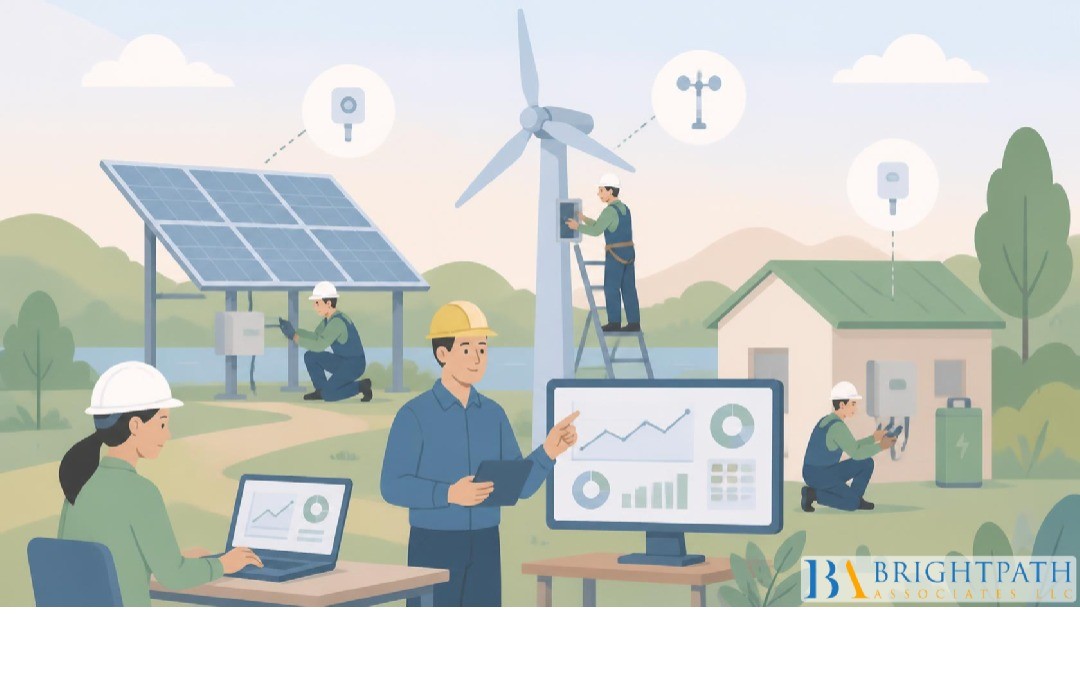
The renewable energy sector is experiencing rapid growth as businesses, communities, and governments continue transitioning toward cleaner and more sustainable power solutions. While large-scale solar farms and wind projects often receive significant attention, small-scale renewable energy systems are becoming increasingly important in supporting decentralized energy generation. However, managing these smaller renewable assets presents unique operational challenges. Limited resources, maintenance constraints, equipment reliability concerns, and the need for maximum energy output require innovative approaches to asset management. Predictive maintenance is emerging as a powerful solution that enables small-scale renewable energy operators to improve reliability, reduce unexpected downtime, and maximize long-term performance.
Traditional maintenance strategies typically follow scheduled inspections or reactive repairs after equipment failures occur. While preventive maintenance helps reduce some risks, it may result in unnecessary servicing or fail to identify problems developing between inspection periods. Reactive maintenance, on the other hand, often leads to costly emergency repairs, lost energy production, and operational disruptions. Predictive maintenance provides a more intelligent approach by using real-time data, advanced analytics, and condition monitoring technologies to identify potential issues before they become major failures.
Small-scale renewable systems, including distributed solar installations, community wind projects, and hybrid energy solutions, rely on critical components such as inverters, batteries, transformers, controllers, and monitoring systems. Even minor equipment issues can significantly impact energy generation and financial returns. Predictive maintenance helps operators continuously monitor equipment health by analyzing performance data and identifying unusual patterns that may indicate developing problems.
The foundation of predictive maintenance is data. Modern renewable energy systems generate valuable operational information through sensors, monitoring platforms, and connected devices. Data points such as temperature fluctuations, voltage variations, power output changes, equipment performance, and environmental conditions provide important insights into asset health. Advanced analytics tools can process this information to detect early warning signals and recommend appropriate maintenance actions.
For small-scale renewable operators, one of the greatest advantages of predictive maintenance is reducing unexpected downtime. Equipment failures can interrupt energy generation and create financial losses, particularly for organizations that depend on consistent renewable power production. By identifying issues before failure occurs, maintenance teams can schedule repairs at convenient times, arrange replacement components in advance, and avoid costly emergency interventions. Research and industry developments continue to demonstrate how predictive technologies can improve renewable asset reliability by detecting anomalies before they affect performance.
Cost efficiency is another major benefit of implementing predictive maintenance strategies. Small and mid-sized renewable energy companies often operate with limited maintenance budgets and smaller technical teams compared with large energy providers. Predictive analytics allows organizations to prioritize maintenance activities based on actual equipment conditions rather than relying only on fixed schedules. This targeted approach reduces unnecessary maintenance expenses while ensuring critical components receive attention when required.
Beyond cost savings, predictive maintenance also supports improved energy efficiency. Renewable energy systems are highly dependent on optimal equipment performance. A solar inverter operating below capacity or a wind turbine component experiencing early-stage degradation can gradually reduce overall energy output. Predictive monitoring helps operators identify performance losses quickly and take corrective actions before they significantly affect production. This ensures renewable assets continue delivering maximum value throughout their operational lifespan.
Another important advantage is improved asset lifecycle management. Renewable energy investments are designed for long-term operation, often spanning decades. Proper maintenance plays a critical role in extending equipment lifespan and protecting capital investments. By understanding equipment health trends, operators can make better decisions regarding repairs, replacements, upgrades, and future expansion strategies. Predictive maintenance transforms maintenance from a reactive expense into a strategic asset management function.
The adoption of predictive maintenance also aligns with broader sustainability objectives. Renewable energy projects contribute to reducing carbon emissions, but maximizing their efficiency is essential to achieving greater environmental impact. When renewable assets operate reliably with fewer interruptions, they deliver more clean energy without requiring additional infrastructure development. Improved asset utilization supports both economic and environmental goals.
However, successful implementation requires more than advanced technology. Organizations need skilled professionals who understand renewable energy systems, digital tools, data analysis, and operational management. Engineers, renewable energy specialists, maintenance professionals, project managers, and technology leaders all play important roles in implementing predictive maintenance programs effectively. The combination of innovative technology and experienced talent creates the foundation for reliable and scalable renewable energy operations.
As renewable energy companies continue adopting digital transformation strategies, demand for specialized professionals is increasing. Small and mid-sized renewable organizations need leaders who can integrate emerging technologies, improve operational performance, and manage complex energy assets. Building a workforce with the right combination of technical expertise and strategic leadership has become essential for companies seeking long-term growth.
Organizations looking to strengthen their renewable energy teams can benefit from specialized recruitment expertise focused on the industry's evolving needs. BrightPath Associates helps renewable energy and environmental companies identify skilled professionals who can support innovation, operational excellence, and sustainable growth.
Predictive maintenance represents a significant shift in how small-scale renewable energy systems are managed. Instead of waiting for failures or following outdated maintenance schedules, organizations can use data-driven insights to make proactive decisions. This approach improves reliability, reduces operational costs, increases energy production, and strengthens the overall value of renewable investments.
Businesses interested in exploring additional insights about how predictive maintenance is transforming renewable operations can also review BrightPath Associates' detailed discussion on this topic at Predictive Maintenance for Small-Scale Renewables.
The future of renewable energy will depend not only on expanding capacity but also on improving the performance of existing assets. Small-scale renewable operators that embrace predictive maintenance will be better positioned to overcome operational challenges, control costs, and deliver consistent clean energy solutions. By combining advanced analytics, reliable technology, and skilled professionals, organizations can create more resilient renewable energy systems prepared for the demands of tomorrow.
