Predictive Maintenance for High-Precision Nanotech Equipment
Author : Jason Robinson | Published On : 14 Oct 2026
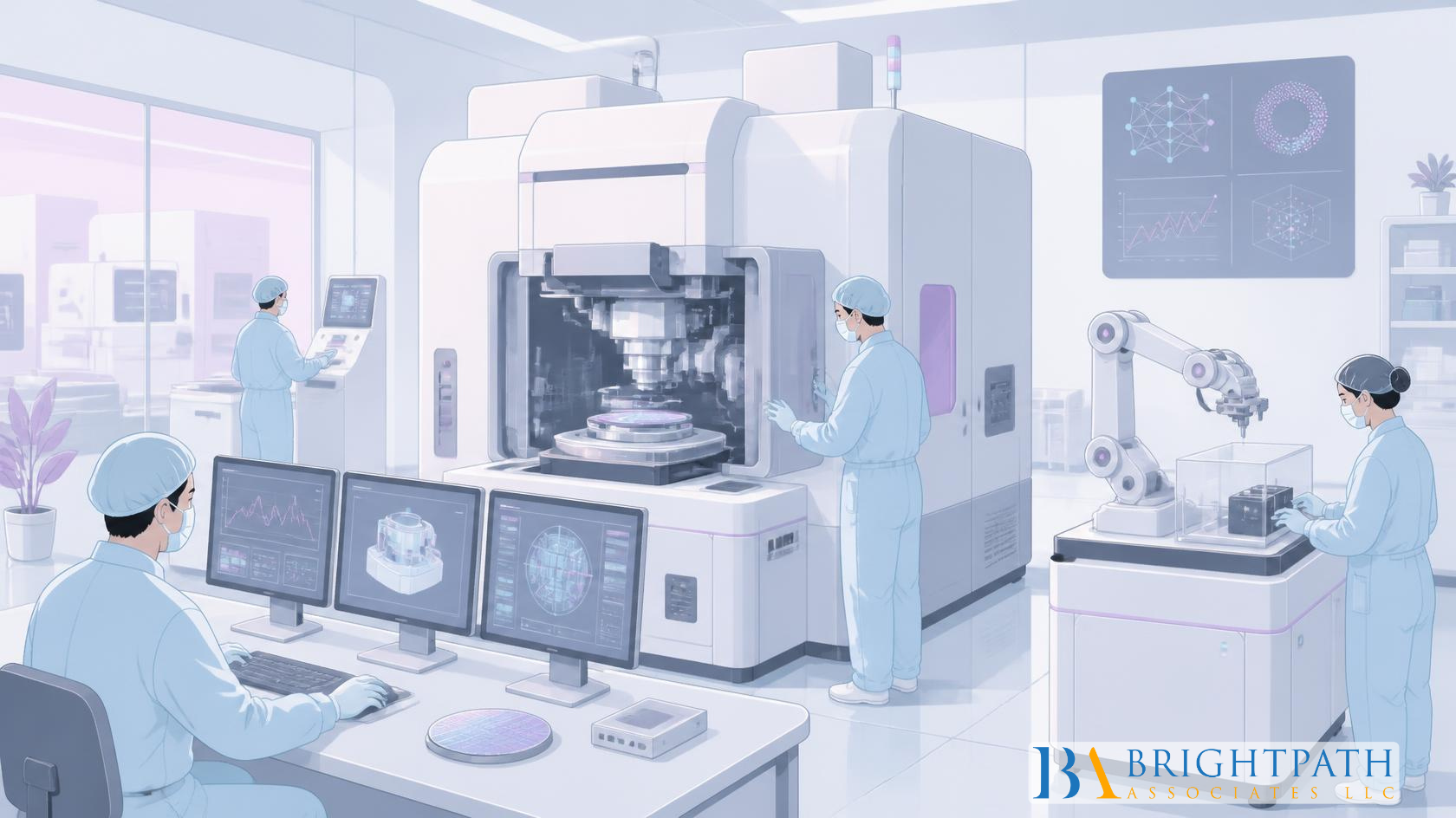
Nanotechnology is transforming advanced manufacturing, semiconductor production, healthcare, and materials science. As companies work at increasingly smaller scales, the accuracy and reliability of specialized equipment have become essential to maintaining product quality, research integrity, and operational efficiency.
In nanotechnology environments, even minor equipment deviations can produce significant consequences. A small calibration error, temperature fluctuation, or mechanical vibration can affect experimental results or compromise a precision manufacturing process. For small and mid-sized enterprises, unexpected equipment failures can also lead to costly downtime, delayed product development, and missed commercial opportunities.
Predictive maintenance offers a practical way to address these challenges. By combining equipment monitoring, data analytics, machine learning, and engineering expertise, organizations can identify developing problems before they cause major disruptions. The result is a more informed approach to equipment management that supports reliability, efficiency, and sustainable business growth.
Understanding Predictive Maintenance in High-Precision Environments
Traditional maintenance strategies generally rely on scheduled servicing or repairs after equipment fails. Although both approaches remain important, neither always reflects the actual condition of a particular machine.
High-precision nanotechnology equipment operates under demanding conditions. Atomic force microscopes, electron microscopes, nanolithography systems, vacuum pumps, and nanoscale measurement instruments depend on stable operating environments and carefully controlled components. Gradual wear, contamination, or calibration drift may affect performance before a visible failure occurs.
Predictive maintenance addresses this gap by analyzing equipment condition and identifying warning signs that may indicate future problems. Instead of relying exclusively on predetermined service intervals, maintenance teams can use evidence to determine when inspection or intervention is appropriate.
For example, an increase in vibration within a precision positioning system could indicate mechanical wear. A gradual decline in vacuum stability might suggest a developing leak or pump inefficiency. Detecting these changes early gives engineers an opportunity to investigate and schedule repairs before equipment performance deteriorates further.
For business leaders, the objective is not simply to prevent breakdowns. It is to protect production schedules, improve asset utilization, and ensure that expensive scientific and manufacturing equipment continues to deliver dependable results.
Connecting Predictive Maintenance with Sustainability
Reliable equipment management can also support sustainability objectives. High-precision systems may consume substantial electricity for cooling, vacuum generation, environmental control, and continuous operation.
Identifying inefficient pumps, deteriorating components, or malfunctioning control systems can help organizations reduce avoidable energy consumption. Better equipment reliability may also minimize material waste by preventing defective production runs and repeated experiments.
Extending component life through condition-based servicing can reduce unnecessary replacements and maintenance waste. However, companies should measure these benefits rather than assume that every predictive maintenance investment automatically produces environmental gains.
For organizations across the Nanotechnology Industry, integrating equipment reliability with resource efficiency can support responsible growth while maintaining the precision required for advanced research and manufacturing.
Why Leadership and Specialized Talent Matter
Predictive maintenance is not simply a software implementation project. It requires collaboration between instrumentation engineers, reliability specialists, data scientists, cybersecurity professionals, equipment operators, and manufacturing leaders.
Small and mid-sized nanotechnology companies may struggle to find professionals who understand both complex equipment and data-driven decision-making. Without the right expertise, monitoring platforms can become isolated technology investments that generate alerts without producing meaningful operational improvements.
Leadership plays a central role in connecting technical capabilities with business priorities. Engineering directors, reliability managers, operations executives, and digital transformation leaders must establish clear responsibilities, realistic performance targets, and effective communication between departments.
Companies should also invest in employee training, documentation, mentoring, and succession planning. Experienced technicians often possess valuable knowledge about equipment behavior and recurring faults. Capturing this knowledge helps preserve operational continuity as teams grow or experienced employees leave.
For additional insights into the technologies, analytical methods, and workforce considerations involved, explore BrightPath Associates' article on predictive maintenance for high-precision nanotechnology equipment.
Conclusion: Making Predictive Maintenance a Competitive Advantage
Predictive maintenance gives nanotechnology businesses an opportunity to move from reactive repairs toward evidence-based equipment management. By combining dependable monitoring, data analytics, validated machine learning, risk assessment, and engineering expertise, organizations can improve equipment availability and protect valuable assets.
Successful implementation depends on more than technology. Companies need reliable data, appropriate security controls, measurable performance objectives, and professionals who can translate analytical insights into effective action.
For small and mid-sized enterprises, a focused approach that begins with critical equipment can provide a practical foundation for broader operational improvements. As the industry advances, businesses that integrate maintenance intelligence with strategic leadership will be better positioned to support innovation and manage operational complexity.
