Predictive Analytics in Glass Production: Maximizing Efficiency
Author : Victor Lang | Published On : 30 Jul 2026
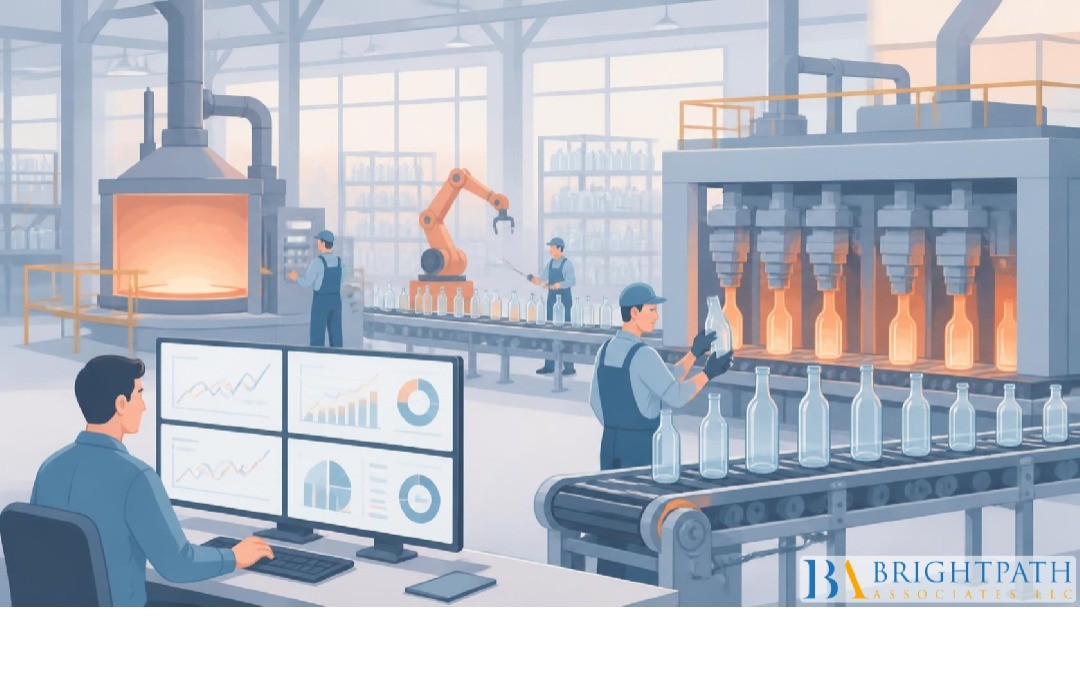
The glass manufacturing industry has always relied on precision, consistency, and operational excellence to remain competitive. However, today's manufacturers face new challenges that extend beyond production quality. Rising energy costs, supply chain disruptions, labor shortages, equipment downtime, and increasing customer expectations are driving companies to rethink traditional manufacturing practices. As digital transformation accelerates across the industrial sector, predictive analytics is emerging as one of the most valuable technologies for improving operational performance. By transforming production data into actionable insights, predictive analytics enables glass manufacturers to optimize processes, reduce waste, improve product quality, and maximize overall efficiency.
Unlike traditional manufacturing approaches that react to problems after they occur, predictive analytics helps organizations anticipate issues before they impact production. Using data collected from sensors, production equipment, quality control systems, and enterprise software, predictive models identify patterns that indicate potential equipment failures, production bottlenecks, or quality variations. This proactive approach allows manufacturers to make informed decisions that reduce downtime and improve operational reliability.
Glass production involves multiple energy-intensive processes, including raw material preparation, melting, forming, annealing, coating, inspection, and packaging. Each stage generates significant operational data that can provide valuable insights when analyzed effectively. Predictive analytics combines historical production records with real-time operational data to identify trends that human operators may overlook. As a result, manufacturers gain greater visibility into production performance while improving process consistency across the facility.
One of the most significant benefits of predictive analytics is predictive maintenance. Traditional maintenance strategies often rely on fixed schedules or emergency repairs after equipment failure. Both approaches can lead to unnecessary expenses, production interruptions, and shortened equipment lifespan. Predictive maintenance uses machine learning algorithms to monitor equipment conditions continuously and detect early warning signs of wear or failure. Instead of replacing components prematurely or waiting for unexpected breakdowns, maintenance teams can schedule repairs at the optimal time, reducing costs while maximizing equipment availability.
Energy efficiency is another area where predictive analytics delivers measurable value. Glass manufacturing consumes substantial amounts of energy, particularly during furnace operations. Small changes in furnace temperature, combustion efficiency, or production scheduling can significantly affect operating costs. Predictive analytics continuously evaluates energy consumption patterns and recommends process adjustments that improve efficiency without compromising product quality. Lower energy consumption not only reduces operating expenses but also supports sustainability initiatives and environmental compliance.
Product quality also improves when manufacturers leverage predictive insights. Even minor variations in raw material composition, furnace conditions, cooling rates, or forming processes can result in defects that increase waste and customer complaints. Predictive analytics identifies relationships between production variables and finished product quality, allowing operators to correct deviations before defects occur. This proactive quality management approach improves consistency, reduces scrap rates, and strengthens customer satisfaction.
Supply chain management has become increasingly important for glass manufacturers operating in competitive global markets. Predictive analytics helps organizations forecast material requirements, optimize inventory levels, and anticipate production demand more accurately. Better forecasting reduces excess inventory while ensuring critical raw materials remain available when needed. These improvements strengthen operational flexibility and help manufacturers respond more effectively to changing customer requirements.
Modern predictive analytics platforms also support improved production planning. By analyzing historical production performance, equipment capacity, maintenance schedules, and customer demand, manufacturers can optimize production sequences to maximize throughput while minimizing operational disruptions. Better scheduling improves resource utilization and increases overall manufacturing efficiency without requiring significant capital investments.
Digital transformation extends beyond technology alone. Successfully implementing predictive analytics requires experienced professionals capable of interpreting data, optimizing manufacturing processes, and leading organizational change. Engineers, automation specialists, maintenance managers, quality professionals, operations leaders, and plant managers all contribute to successful implementation. Organizations that combine advanced analytics with skilled leadership often achieve greater long-term success than those relying solely on technology investments.
As artificial intelligence and machine learning continue to evolve, predictive analytics is becoming even more sophisticated. Modern systems continuously learn from new production data, improving forecasting accuracy and enabling increasingly precise operational recommendations. These technologies support continuous improvement initiatives by helping organizations identify opportunities for greater efficiency, higher productivity, and improved product quality over time.
For small and mid-sized glass manufacturers, predictive analytics offers an opportunity to compete more effectively with larger organizations. Cloud-based software, Industrial Internet of Things (IIoT) technologies, and scalable analytics platforms have made advanced manufacturing intelligence more accessible than ever before. Companies no longer need massive technology budgets to benefit from data-driven decision-making. Strategic investments in analytics can generate substantial returns through reduced downtime, lower maintenance costs, improved energy efficiency, and higher customer satisfaction.
While technology provides the foundation for operational improvement, workforce capability remains equally important. As manufacturing becomes increasingly digital, demand continues to grow for professionals with expertise in automation, industrial engineering, manufacturing operations, data analysis, quality management, and executive leadership. Organizations seeking long-term growth must build teams capable of integrating technology with practical manufacturing expertise.
Recruiting highly qualified professionals has therefore become a strategic priority for glass manufacturers embracing Industry 4.0 technologies. Experienced engineers, plant managers, operations directors, maintenance leaders, and digital transformation specialists play a critical role in implementing predictive analytics successfully while maintaining production excellence. Companies looking to strengthen their workforce and remain competitive can explore industry-specific recruitment solutions through BrightPath Associates' Glass, Ceramics & Concrete industry.
Businesses interested in learning more about digital innovation and operational improvement within the glass sector can also explore BrightPath Associates' insights on predictive analytics in glass production at Predictive Analytics in Glass Production. These resources provide additional perspectives on how emerging technologies are reshaping modern manufacturing operations.
Ultimately, predictive analytics represents more than another digital tool—it is a strategic capability that enables glass manufacturers to make smarter decisions using real-time operational intelligence. Organizations that embrace predictive maintenance, data-driven quality control, optimized production planning, and continuous improvement are better positioned to reduce costs, improve efficiency, and strengthen their competitive advantage. As market expectations continue to evolve, manufacturers that invest in both advanced technology and exceptional talent will be best prepared to achieve sustainable growth.
