Precision Shoulder Screws Manufacturer | USA-Made Shoulder Bolts – AMPG
Author : shabirkhansehta shabirkhansehta | Published On : 02 Sep 2026
AMPG is a leading manufacturer of shoulder screws and shoulder bolts producing high-quality, USA-made precision fasteners for industrial and OEM applications. Contact us
Shoulder Bolts and Shoulder Screws: A Complete Guide to Choosing the Right Fastener
When precision, movement, and reliable fastening matter, Shoulder Bolts and Shoulder Screws can provide a practical solution for many mechanical applications. Unlike conventional fasteners, these components feature a precision-machined shoulder that can function as an axle, spacer, pivot, or locating surface. This makes them especially useful in machinery, automation systems, tooling, and assemblies where controlled movement is required.
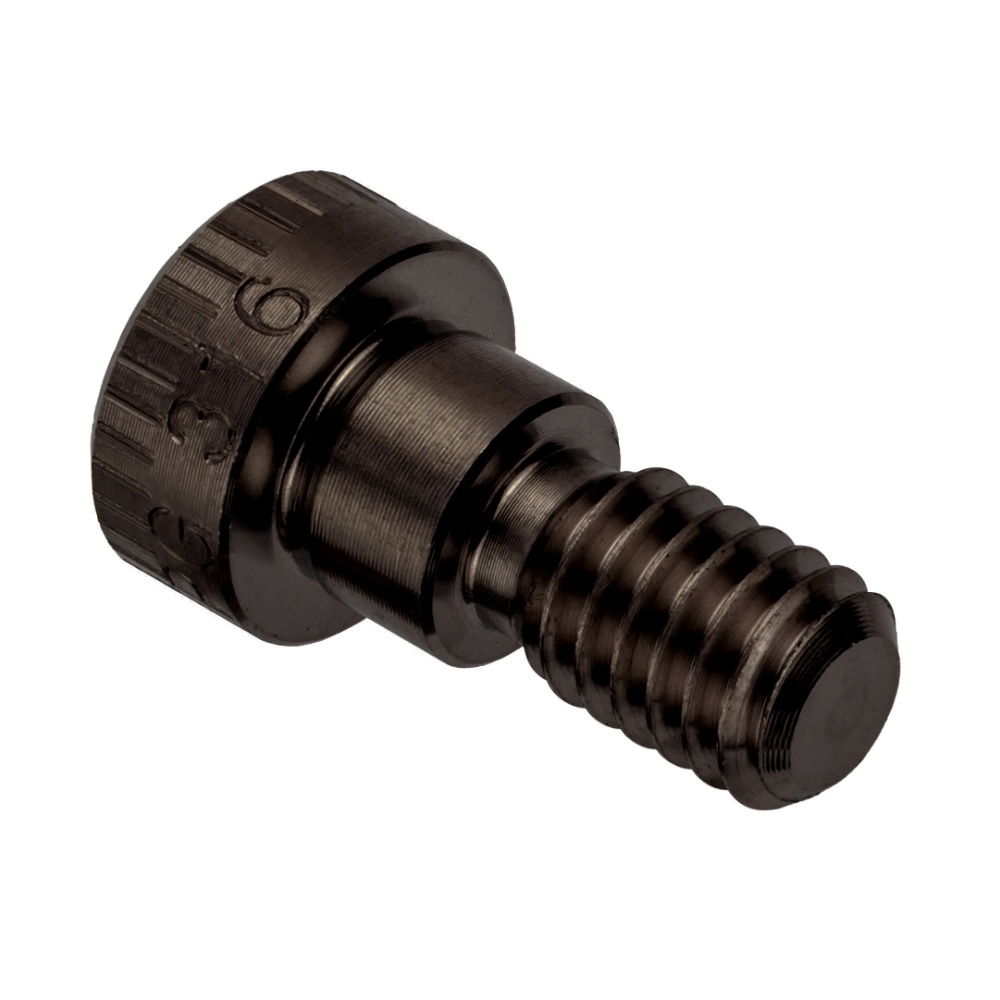
If you are looking for precision fastening components, explore the available Shoulder Bolts and Shoulder Screws to compare suitable options for your application.
What Are Shoulder Bolts?
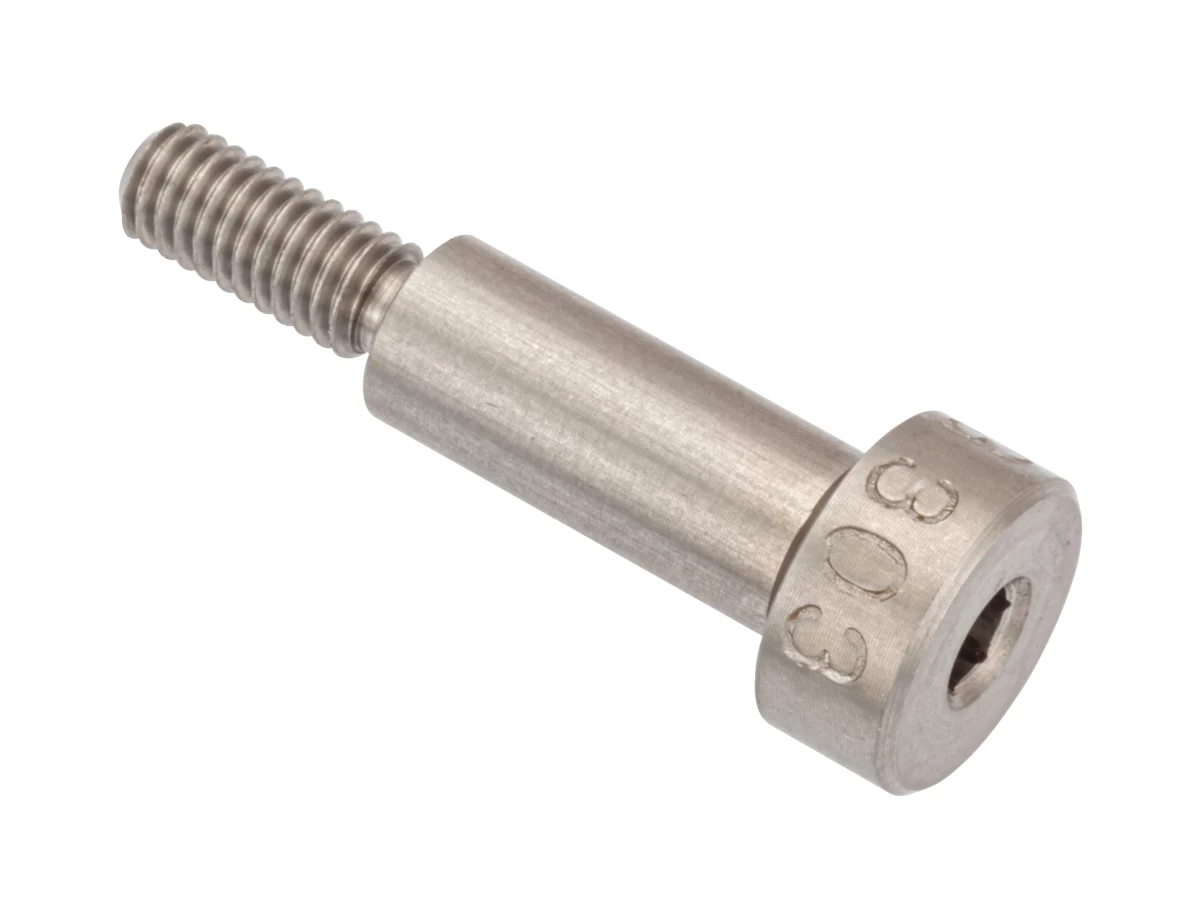
Shoulder bolts are specialized fasteners manufactured with three primary sections: a head, an unthreaded shoulder, and a threaded portion. The shoulder has a consistent diameter and length, allowing it to act as a precision bearing or mounting surface.
The threaded section secures the fastener into a tapped hole or with a compatible nut, while the shoulder remains unthreaded. This design separates the fastening function from the movement or positioning function.
Because of this construction, these fasteners are often selected when an assembly needs accurate spacing, rotation, alignment, or repeatable positioning.
How Do Shoulder Bolts Work?
The key feature is the smooth shoulder. Once installed, the shoulder can support components that need to rotate, slide, or remain accurately positioned.
For example, a pulley, roller, linkage, or rotating arm may be mounted around the shoulder. The threaded portion provides clamping force without forcing the moving component to rotate directly against the threads.
This can help reduce wear and create a cleaner, more controlled mechanical assembly.
What Are Shoulder Screws?
Shoulder screws are precision fasteners designed around the same fundamental concept: a cylindrical shoulder positioned between the head and threaded section. The terminology can vary between manufacturers and industries, but the functional purpose remains similar.
These components are commonly used where ordinary screws cannot provide the necessary dimensional control or smooth mounting surface.
The shoulder diameter, shoulder length, thread size, head style, and material are important specifications because each can affect how the fastener performs within an assembly.
Where Are Shoulder Screws Used?
Shoulder screws can be found in a wide variety of mechanical and industrial applications, including:
- Automation equipment
- Robotics and motion-control systems
- Machine tools
- Dies and molds
- Conveyor mechanisms
- Electrical and electronic equipment
- Fixtures and jigs
- Hinges and pivots
- Guide mechanisms
- Mechanical linkages
Their versatility comes from the ability to combine secure fastening with accurate component positioning.
Shoulder Bolts vs. Shoulder Screws: Is There a Difference?
In many applications, the terms “shoulder bolt” and “shoulder screw” are used interchangeably. However, terminology can differ depending on the manufacturer, engineering discipline, or regional convention.
The more important consideration is not simply the name but the actual specification.
When selecting a fastener, engineers should evaluate the shoulder diameter, shoulder length, thread characteristics, head dimensions, material, finish, and load requirements. These factors determine whether a particular component will fit correctly and perform reliably.
In precision assemblies, even a small dimensional mismatch can cause excessive play, binding, misalignment, or premature wear.
Key Benefits of Shoulder Bolts
One of the biggest advantages of Shoulder Bolts is their ability to perform more than one mechanical function.
A properly selected component can provide:
Precision positioning: The shoulder establishes a predictable dimensional reference between assembled parts.
Smooth movement: The unthreaded cylindrical surface is better suited to rotating or sliding components than a threaded section.
Consistent spacing: Shoulder length can establish a fixed distance between components.
Reliable fastening: The threaded portion secures the assembly while the shoulder performs the positioning function.
Simplified assembly: A single precision fastener can sometimes replace multiple conventional components.
These characteristics make them valuable in applications where both fastening and mechanical movement are required.
How to Choose the Right Shoulder Screw
Choosing the correct component begins with understanding the mechanical requirements of the application.
1. Check Shoulder Diameter
The shoulder diameter should match the component's bore or mounting feature appropriately. Excessive clearance can create unwanted movement, while insufficient clearance may cause binding.
2. Measure Shoulder Length
Shoulder length determines how far the mounted component sits from the fastening surface. Accurate measurement is particularly important for spacers, rollers, pivots, and guide assemblies.
3. Select the Correct Thread
Thread size and pitch must match the mating component. Depending on the application, metric or inch-based thread specifications may be required.
4. Consider Material
Material selection depends on factors such as load, wear, corrosion exposure, temperature, and operating environment. Stainless steel may be preferred for corrosion resistance, while hardened materials can be useful in demanding wear applications.
5. Evaluate Head Style
The head needs to provide sufficient seating area and clearance for installation. Socket heads, low-profile configurations, and other designs may be appropriate for different space limitations.
Why Precision Matters in Mechanical Assemblies
A fastener may appear to be a small component, but its dimensions can have a significant effect on overall machine performance.
A correctly specified Shoulder Screws solution can help maintain alignment, control movement, and reduce unnecessary mechanical play. In automated equipment, for instance, inconsistent positioning can affect repeatability and eventually influence production quality.
Precision fasteners are therefore best considered as functional components rather than simple hardware.
Common Questions About Shoulder Bolts and Shoulder Screws
What is the main purpose of a shoulder bolt?
The primary purpose is to combine secure fastening with a precise cylindrical surface that can support positioning, rotation, sliding, or spacing.
Can shoulder screws be used as pivots?
Yes. Their smooth shoulder can serve as a pivot surface for suitable mechanical components, provided the diameter, length, material, and load capacity are appropriate.
Are shoulder bolts stronger than standard screws?
Not automatically. Strength depends on the material, dimensions, thread design, shoulder geometry, installation method, and operating conditions. The advantage is primarily their specialized geometry and precision rather than simply greater strength.
How do I know which shoulder fastener I need?
Start by identifying the required shoulder diameter and length, thread specification, head dimensions, material, environmental conditions, and expected loads. Comparing these specifications against available products can help identify the appropriate option.
Final Thoughts on Shoulder Bolts and Shoulder Screws
Shoulder Bolts and Shoulder Screws are specialized fastening solutions for applications that demand more than basic clamping. Their precision shoulder can provide controlled spacing, alignment, pivoting, and movement while the threaded section securely holds the assembly together. By carefully considering dimensions, thread specifications, materials, head styles, and operating conditions, engineers and buyers can select a fastener that supports dependable long-term performance.
Visit Us: - https://ampg.com/product-list/shoulder-screws
