Practical Guide to Cutting E-Commerce Freight Costs
Author : Todd Beddard | Published On : 23 Jul 2026
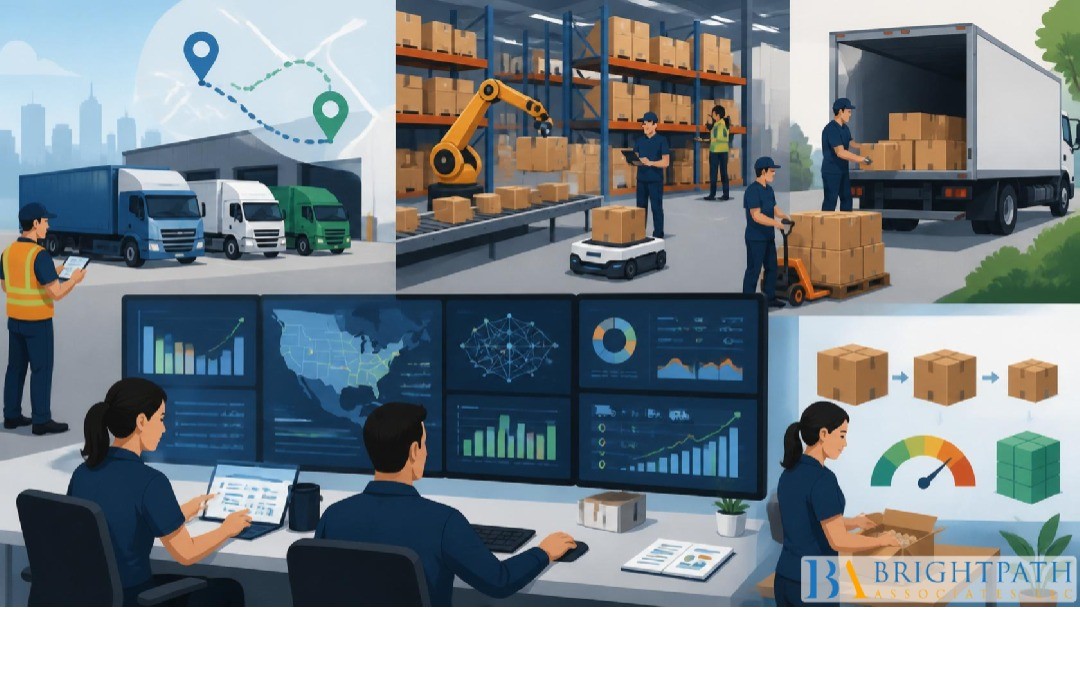
For e-commerce businesses, freight costs have become one of the largest operational expenses after inventory and marketing. Rising fuel prices, increasing customer expectations for faster delivery, fluctuating carrier rates, and growing return volumes are putting constant pressure on profit margins. For small and mid-sized businesses in the Packaging & Containers industry, controlling freight expenses is no longer simply about negotiating lower shipping rates. It requires a strategic approach that combines packaging optimization, smarter logistics planning, technology adoption, and data-driven decision-making. Companies that proactively manage freight operations can improve profitability while continuing to deliver the fast, reliable service customers expect. Industry research suggests that structural improvements such as network optimization, shipment consolidation, and better mode selection often deliver significantly greater long-term savings than negotiating rates alone.
One of the most overlooked opportunities for reducing freight costs lies in packaging design. Oversized boxes, excessive void fill, and unnecessarily heavy packaging increase dimensional weight charges, resulting in higher shipping costs even when products themselves are lightweight. By redesigning packaging to better match product dimensions, businesses can reduce shipping expenses, minimize material waste, and improve warehouse efficiency simultaneously. Packaging engineers are increasingly collaborating with logistics teams to create solutions that protect products while minimizing transportation costs. Sustainable, lightweight packaging materials further contribute to cost savings by reducing shipment weight without compromising product safety during transit.
Freight optimization also begins with understanding shipping data. Many businesses rely on historical shipping practices without regularly evaluating performance metrics such as delivery costs by region, carrier performance, shipment weight, return frequency, and customer delivery preferences. Modern analytics platforms provide valuable insights into these variables, helping organizations identify inefficiencies that would otherwise remain hidden. Data-driven freight management enables businesses to select the most cost-effective shipping methods for each order while balancing speed, reliability, and customer satisfaction. Organizations that consistently analyze logistics data are better positioned to respond quickly to changing market conditions and customer demand. Freight experts note that freight invoices often reveal avoidable accessorial charges and classification issues that, once corrected, can produce meaningful savings.
Carrier diversification has become another important strategy for controlling transportation costs. Depending exclusively on a single carrier limits flexibility and reduces negotiating leverage. Successful e-commerce businesses often establish relationships with multiple regional and national carriers, selecting providers based on delivery destination, shipment size, service requirements, and pricing. Regional carriers can frequently offer faster delivery at lower costs within specific geographic markets, while national providers remain valuable for broader distribution networks. Diversifying transportation partners also improves supply chain resilience by reducing dependence on any single logistics provider during periods of disruption or capacity constraints.
Warehouse location and inventory placement play equally important roles in freight cost reduction. Shipping every order from one centralized distribution center often increases transportation distances, delivery times, and shipping expenses. Businesses that strategically position inventory closer to key customer markets reduce transit times while lowering shipping costs. Distributed fulfillment networks, regional warehouses, and third-party logistics partnerships enable organizations to fulfill orders more efficiently while improving customer satisfaction. As e-commerce continues expanding across multiple geographic markets, inventory optimization is becoming an increasingly valuable competitive advantage.
Shipment consolidation represents another practical opportunity for reducing freight expenses. Rather than processing every order individually, businesses can consolidate shipments heading toward similar destinations whenever operationally feasible. Combining multiple orders into fewer shipments reduces transportation costs while improving vehicle utilization and lowering carbon emissions. This strategy is particularly valuable for business-to-business shipments, subscription services, and customers placing multiple orders within short timeframes. Advances in transportation management systems make shipment consolidation easier by automatically identifying opportunities that balance efficiency with delivery commitments.
Technology has become one of the strongest enablers of freight optimization. Artificial intelligence, predictive analytics, transportation management systems, and automated routing software allow businesses to compare carrier rates, optimize delivery routes, forecast shipping demand, and automate freight decisions in real time. These digital solutions reduce manual administrative work while improving decision accuracy. Automated freight auditing systems also help organizations identify billing discrepancies, duplicate charges, and contract compliance issues that might otherwise go unnoticed. Businesses investing in logistics technology frequently achieve both operational efficiencies and measurable cost reductions over time. Research consistently shows that optimizing shipping operations requires a combination of packaging improvements, smarter carrier selection, inventory positioning, and technology-enabled decision-making.
Returns management is another critical component of freight cost control. Reverse logistics often generates significant expenses that are underestimated during financial planning. Clear product descriptions, accurate sizing information, high-quality images, and improved quality assurance reduce return rates while enhancing customer satisfaction. When returns do occur, efficient reverse logistics processes help minimize transportation costs and accelerate inventory recovery. Organizations that integrate returns data into broader logistics planning gain valuable insights that support continuous operational improvement.
Sustainability initiatives increasingly align with freight optimization strategies. Lightweight packaging, right-sized shipping containers, optimized delivery routes, shipment consolidation, and regional fulfillment centers not only lower transportation expenses but also reduce fuel consumption and greenhouse gas emissions. Customers, investors, and supply chain partners increasingly value businesses that demonstrate measurable progress toward environmental responsibility. Cost reduction and sustainability are no longer competing priorities; they often reinforce one another when supported by thoughtful logistics planning.
People remain essential to successful freight management. Even with sophisticated technology, organizations require experienced professionals capable of managing supply chains, procurement, transportation planning, warehouse operations, packaging engineering, and customer fulfillment strategies. Skilled logistics leaders understand how to balance cost efficiency with service quality while continuously improving operational performance. Companies seeking experienced professionals to strengthen logistics, operations, manufacturing, and supply chain capabilities can learn more through BrightPath Associates' Packaging & Containers Industry.
As e-commerce continues evolving, businesses that treat freight as a strategic business function rather than simply a transportation expense will gain lasting competitive advantages. Organizations embracing packaging innovation, digital logistics technologies, diversified carrier networks, inventory optimization, and data-driven decision-making will be better positioned to improve margins while exceeding customer expectations. Rather than reacting to rising freight costs, forward-thinking companies are redesigning their logistics strategies to build more resilient, efficient, and scalable operations.
For additional strategies and practical recommendations on reducing transportation expenses while supporting business growth, explore BrightPath Associates' blog, Cutting E-Commerce Freight Costs.
Ultimately, cutting freight costs is not about choosing the cheapest shipping option—it is about building a smarter logistics ecosystem that delivers efficiency, reliability, and long-term value. Businesses that optimize packaging, leverage technology, strengthen supplier relationships, and invest in logistics expertise will be better equipped to thrive in an increasingly competitive e-commerce landscape.
