Powering Rails: Insights into Evolving Workforce of US Railroad Industry
Author : David Pitman | Published On : 17 Apr 2026
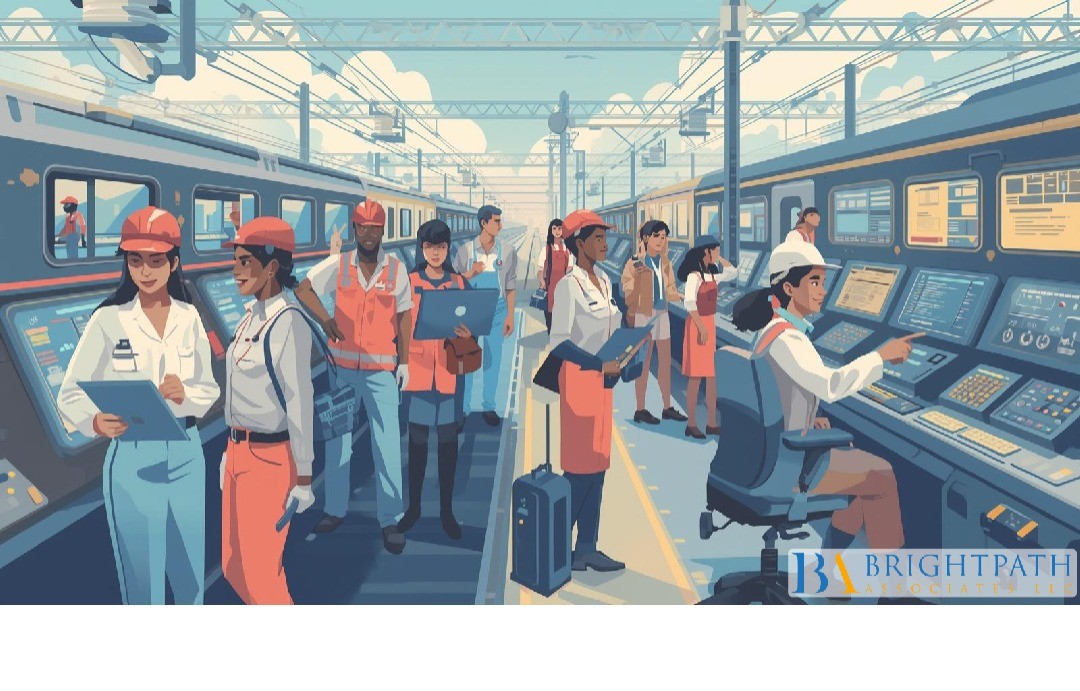
The U.S. railroad industry has long been the backbone of national logistics, enabling the seamless movement of goods and resources across vast distances. However, behind the strength of this infrastructure lies a workforce undergoing significant transformation. For small to mid-sized companies operating in the railroad ecosystem, understanding these workforce dynamics is no longer optional—it is essential for sustaining growth, ensuring operational efficiency, and maintaining competitive advantage in a rapidly evolving market.
The railroad workforce today is shaped by a combination of demographic shifts, technological advancements, and changing industry demands. One of the most pressing challenges is the aging workforce. A significant portion of experienced professionals is approaching retirement, creating a steady stream of vacancies that organizations must fill. According to labor data, while overall employment growth in the railroad sector remains relatively modest, thousands of job openings emerge each year primarily due to workforce replacement needs rather than expansion. This reality places increasing pressure on companies to attract, train, and retain new talent capable of sustaining operations.
At the same time, the nature of railroad jobs is evolving. Traditional roles such as conductors, engineers, and yard operators remain essential, but they are increasingly complemented by positions requiring advanced technical expertise. Automation, predictive maintenance systems, and digital rail technologies are reshaping operational requirements, creating demand for professionals skilled in data analytics, systems integration, and advanced engineering. This shift is transforming the workforce from labor-intensive to knowledge-driven, requiring companies to rethink their hiring strategies and workforce development programs.
To better understand how these transformations are shaping the broader industry, organizations can explore the evolving landscape of railroad manufacturing and operations. Another critical factor influencing the workforce is the increasing complexity of regulatory and safety requirements. Railroads operate in a highly regulated environment where safety and compliance are paramount. Recent initiatives to enhance inspection capabilities and infrastructure monitoring highlight the growing emphasis on skilled professionals who can ensure compliance while maintaining operational efficiency. These changes are not only increasing the demand for specialized roles but also raising the bar for talent quality across the industry.
Economic and market dynamics further add to the complexity. The railroad industry is closely tied to broader economic trends, including manufacturing output, trade volumes, and consumer demand. While certain segments such as intermodal freight continue to show resilience, others—like coal transportation—are experiencing long-term decline due to shifts in energy consumption. These fluctuations require companies to remain agile, adjusting workforce strategies to align with changing demand patterns while maintaining operational stability.
Despite these challenges, the workforce transformation also presents significant opportunities. Companies that invest in talent development, training programs, and leadership acquisition can position themselves as industry leaders. Workforce strategy is increasingly becoming a core business function rather than a support activity. As highlighted in industry insights, leadership shortages and evolving role expectations are reshaping how railroad organizations approach recruitment and talent development, particularly between 2023 and 2025. For small to mid-sized enterprises, this shift underscores the importance of building a workforce that is not only technically skilled but also strategically aligned with business goals.
Technology adoption is another major driver of workforce evolution. Digital tools, automation systems, and AI-driven analytics are enabling rail companies to optimize operations, reduce downtime, and improve efficiency. However, these advancements also require a workforce capable of managing and leveraging such technologies. This creates a dual challenge: upskilling existing employees while simultaneously attracting new talent with specialized expertise. Organizations that successfully navigate this transition will be better equipped to capitalize on technological advancements and drive long-term growth.
Equally important is the role of workplace culture and employee experience. The railroad industry has traditionally been associated with demanding schedules, long hours, and physically intensive work. While these factors remain relevant, modern workforce expectations are shifting toward flexibility, work-life balance, and career development opportunities. Companies that fail to adapt to these expectations may struggle to attract younger talent, further exacerbating workforce shortages. Conversely, organizations that prioritize employee well-being and professional growth can enhance retention and build a more engaged workforce.
Leadership plays a pivotal role in navigating these changes. The evolving workforce landscape requires leaders who can balance operational efficiency with strategic vision. These leaders must understand emerging technologies, anticipate industry trends, and foster a culture of innovation and adaptability. For small to mid-sized companies, having the right leadership in place can mean the difference between reactive workforce management and proactive, future-ready strategies.
For a deeper exploration of workforce trends and strategic insights shaping the railroad industry. As the industry continues to evolve, the importance of strategic talent acquisition cannot be overstated. Companies must move beyond traditional hiring approaches and adopt a more proactive, data-driven recruitment strategy. This includes identifying future skill requirements, building talent pipelines, and leveraging executive search expertise to secure top-tier professionals. The ability to attract and retain high-quality talent will be a defining factor in determining which organizations thrive in the coming years.
This is where BrightPath Associates LLC plays a crucial role. By specializing in executive recruitment for the railroad industry, BrightPath helps small to mid-sized enterprises connect with leaders who possess the expertise and vision needed to navigate workforce challenges. From operational leaders to C-suite executives, the right talent can drive innovation, improve efficiency, and position organizations for long-term success.
Ultimately, the workforce is the engine that powers the railroad industry. While infrastructure, technology, and capital investments are essential, it is the people behind these systems who determine their effectiveness. Companies that recognize this and invest strategically in their workforce will not only overcome current challenges but also unlock new opportunities for growth and innovation.
