Posterior Root Canal Procedure Explained
Author : Health care | Published On : 27 Aug 2026
When a molar or premolar develops deep decay, infection, or serious pulp inflammation, Posterior Root Canal in Dubai may be recommended to treat the affected tooth. Understanding how the procedure works can help patients feel more prepared and know what to expect during treatment and recovery.
What Is a Posterior Root Canal?
A posterior root canal is a dental procedure performed on a back tooth, such as a premolar or molar. These teeth can have multiple canals and complex root structures, so careful diagnosis and treatment planning are important.
The procedure removes infected or inflamed pulp from inside the tooth. The canals are then cleaned, disinfected, filled, and sealed before the tooth receives an appropriate restoration.
Why Might a Back Tooth Need Treatment?
Deep tooth decay can allow bacteria to reach the pulp and cause infection. A cracked or fractured tooth may also provide a pathway for bacteria to enter the inner tissues.
Dental trauma and repeated procedures on the same tooth can contribute to pulp damage as well. When the pulp cannot recover, root canal treatment may be recommended.
Dental Clinic Assessment Before Treatment
A Dental Clinic can evaluate a back tooth that is causing persistent pain, sensitivity, swelling, or discomfort while chewing. The dentist may examine the tooth and surrounding tissues and use dental imaging when appropriate.
This assessment helps determine the extent of the problem and provides information about the tooth's root and canal structure before treatment begins.
What Happens During the Procedure?
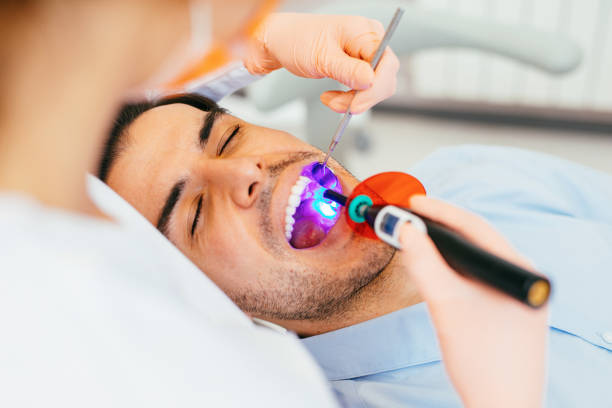
The dentist generally begins by using local anesthesia to numb the treatment area. An opening is then made in the tooth to reach the pulp chamber.
The infected or inflamed pulp is removed, and the canals are carefully cleaned and shaped. After disinfection, the canals are filled and sealed to help prevent bacteria from entering the treated space again.
Why Is Canal Cleaning Important?
Cleaning the canals is an important part of root canal treatment because bacteria and infected material can remain inside the internal spaces of the tooth.
Careful cleaning and shaping prepare the canals for sealing. This helps create a clean internal environment before the final restoration is placed.
Is the Procedure Painful?
Local anesthesia is used to help keep the treatment comfortable. Most patients should not experience significant pain during the procedure.
Temporary tenderness or sensitivity may occur after treatment. If discomfort becomes severe or continues longer than expected, contact your dentist for professional assessment.
Does a Posterior Tooth Need a Crown?
Molars and premolars receive substantial pressure during chewing. If considerable tooth structure has been lost, a dental crown may be recommended after root canal treatment.
The dentist will assess the remaining structure and determine whether a crown or another restoration is appropriate for the treated tooth.
Can the Natural Tooth Be Preserved?
When sufficient healthy tooth structure remains, root canal treatment can provide an opportunity to preserve the natural back tooth.
Keeping the tooth can help maintain chewing function and the normal position of neighboring teeth. The final decision depends on the condition of the tooth and surrounding tissues.
What Is Recovery Like?
Recovery varies depending on the original condition of the tooth and the treatment performed. Mild tenderness may occur temporarily after the procedure.
Following your dentist's aftercare instructions and attending recommended follow-up appointments can support recovery and protect the treated tooth.
How Should You Care for the Tooth?
Continue brushing twice daily with fluoride toothpaste and clean between your teeth regularly. Good oral hygiene helps control plaque and supports the health of the treated tooth.
If the permanent restoration has not yet been placed, follow your dentist's instructions regarding chewing on the treated side and protecting the tooth.
What Happens If Treatment Is Delayed?
An untreated infection may continue to develop and potentially affect tissues surrounding the tooth. Increasing infection or structural damage can make the tooth more difficult to restore.
Professional assessment at an early stage can help identify the problem and determine suitable treatment.
How Can You Prevent Future Problems?
Daily oral hygiene and regular dental examinations can help protect molars and premolars. Brushing with fluoride toothpaste and cleaning between your teeth can reduce plaque buildup.
Limiting frequent sugary foods and drinks and avoiding using teeth to bite hard objects can also help protect tooth structure.
When Should You See a Dentist?
Persistent toothache, prolonged sensitivity, swelling, pain while chewing, or visible damage to a back tooth should be evaluated by a dental professional.
Early diagnosis can help determine whether posterior root canal treatment is needed or whether another dental procedure may be more suitable.
Final Thoughts
The posterior root canal procedure involves diagnosis, anesthesia, pulp removal, canal cleaning, shaping, sealing, and restoration. When a back tooth is restorable, this treatment can help address infection or severe inflammation while preserving the natural tooth.
If you are considering Posterior Root Canal in Dubai, consult a qualified dental professional for a complete examination and personalized treatment plan. Proper restoration and consistent oral hygiene can help maintain the treated tooth's function over time.
