Posterior Root Canal: Key Facts to Understand
Author : Health care | Published On : 24 Aug 2026
A Posterior Root Canal in Dubai can help treat infection or damage inside a molar or premolar while preserving the natural tooth when it remains restorable. Since posterior teeth can have several roots and canals, proper diagnosis and treatment planning are especially important.
Why Do Posterior Teeth Need Root Canal Treatment?
Deep tooth decay can reach the pulp and allow bacteria to cause inflammation or infection.
Cracks, dental trauma, and repeated procedures can also damage the pulp. When the tissue cannot recover, root canal treatment may be recommended.
What Symptoms Can Occur?
Possible symptoms include persistent toothache, sensitivity to hot or cold, pain while chewing, gum tenderness, swelling, or an unpleasant taste.
However, symptoms can vary, and an infected tooth may sometimes cause little noticeable discomfort.
Dental Clinic Evaluation for Posterior Teeth
A qualified Dental Clinic can assess the condition of a molar or premolar and identify the source of dental symptoms.
The dentist may perform clinical tests and take dental X-rays to examine the roots, canals, and surrounding tissues.
Are Posterior Root Canals More Complex?
Back teeth often have multiple roots and canals, and their internal anatomy can vary significantly.
Some canals may be narrow or curved, requiring careful examination and precise treatment.
How Is a Posterior Root Canal Diagnosed?
The dentist reviews your symptoms and examines the affected tooth.
X-rays and other diagnostic tests can help determine whether the pulp is inflamed, infected, or damaged and whether the tooth can be restored.
What Happens During Treatment?
The affected area is numbed using local anesthesia.
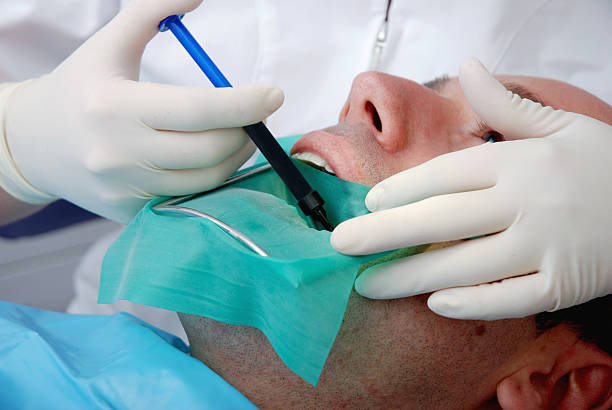
The dentist creates an opening in the tooth, removes the damaged pulp, cleans and shapes the canals, and then fills and seals them.
Is Root Canal Treatment Painful?
Local anesthesia helps make the procedure comfortable.
You may feel pressure during treatment, while mild tenderness or sensitivity can occur afterward. Any severe or unusual discomfort should be discussed with your dentist.
How Long Does Treatment Take?
Treatment duration varies depending on the tooth's anatomy and the severity of the problem.
A molar with several canals may require more time or additional appointments than a simpler tooth.
Does a Posterior Tooth Need a Crown?
A crown may be recommended when substantial tooth structure has been lost.
Because molars and premolars experience significant chewing forces, a suitable restoration can help protect a weakened tooth.
Can Treatment Preserve the Natural Tooth?
When the tooth is structurally restorable, root canal treatment can preserve the natural tooth rather than removing it.
This can help maintain chewing function and reduce the need for tooth replacement.
What Happens After the Procedure?
Some tenderness may occur during the initial recovery period.
The dentist may recommend avoiding excessive pressure on the treated tooth until the permanent restoration is completed.
How Should You Care for the Tooth?
Continue brushing and flossing regularly and maintain routine dental appointments.
Good oral hygiene can help protect the treated tooth and reduce the risk of new decay or other dental problems.
What If the Infection Is Left Untreated?
An untreated infection can progress and may cause increased pain, swelling, or an abscess.
It can also affect the tissues surrounding the tooth's root and potentially make the tooth harder to restore.
Can a Treated Tooth Last?
A properly treated and restored tooth can continue to function for many years with appropriate dental care.
Its long-term condition depends on factors such as restoration quality, oral hygiene, dental habits, and regular examinations.
Can Every Posterior Tooth Be Treated?
Not every tooth is suitable for root canal treatment.
The dentist considers remaining tooth structure, cracks, infection, root condition, and overall restorability before recommending treatment.
When Should You Seek Dental Care?
Persistent pain, prolonged sensitivity, swelling, chewing discomfort, or signs of infection should be evaluated by a dental professional.
Early assessment can help determine the cause and provide an appropriate treatment plan.
Final Thoughts
Posterior root canal treatment can help manage infection or pulp damage while preserving a natural molar or premolar when possible. Understanding the symptoms, diagnosis, procedure, restoration, and aftercare can help patients make informed decisions about their dental health.
If you are experiencing ongoing discomfort in a back tooth, consult a qualified dental professional to determine whether Posterior Root Canal treatment is appropriate for your condition.
