Policy & Profit: Understanding Transportation Regulations
Author : Lori Spatt | Published On : 05 May 2026
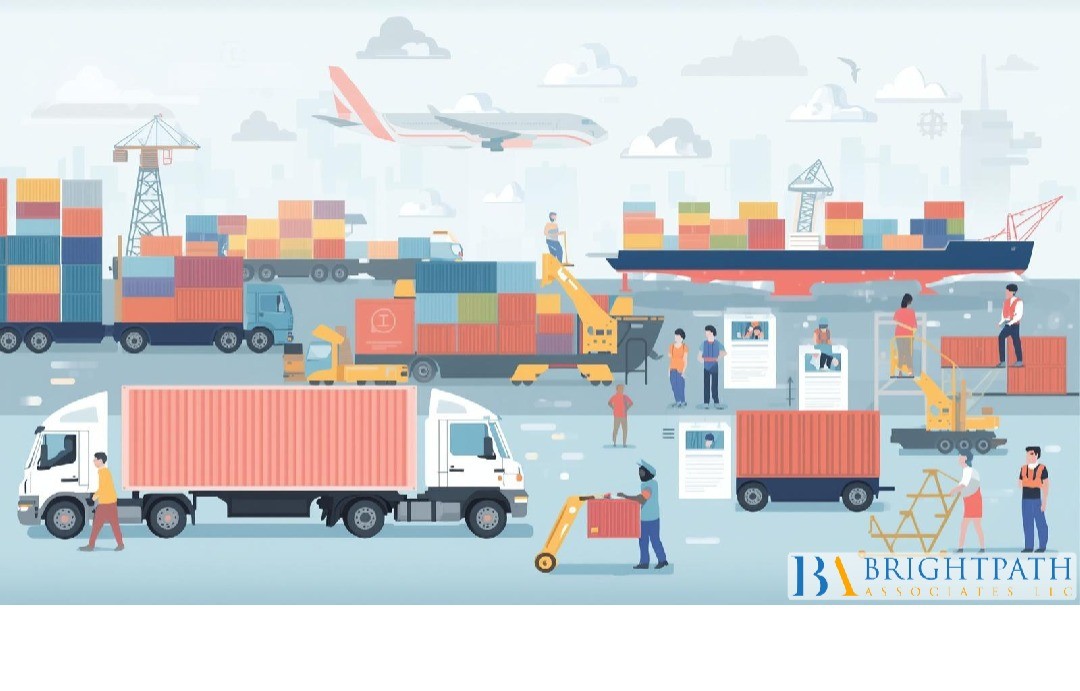
In the fast-moving world of packaging and freight, success is no longer defined solely by speed and cost efficiency. Today, regulatory compliance plays an equally critical role in shaping profitability, operational resilience, and long-term growth. Transportation regulations—often viewed as constraints—are increasingly becoming strategic levers for companies that know how to navigate them effectively. For C-suite leaders and business owners in the packaging and freight sector, the real question is not whether to comply with regulations, but how to leverage them for competitive advantage.
Transportation policies are designed to ensure safety, efficiency, and sustainability across logistics networks, governing everything from freight rates and emissions standards to safety protocols and cross-border operations. These regulations are constantly evolving in response to economic shifts, environmental concerns, and technological advancements. For companies operating in the packaging and freight industry, staying ahead of these changes is not just important—it is essential for maintaining operational continuity and avoiding costly disruptions. Organizations that monitor and adapt to regulatory updates proactively are far better positioned to sustain growth and outperform competitors.
Many companies still approach transportation regulations as a burden, focusing only on compliance rather than opportunity. However, forward-thinking organizations are reframing this mindset by recognizing that regulations can enhance operational efficiency, improve supply chain transparency, and strengthen brand credibility. When integrated strategically, regulatory frameworks can streamline processes, reduce risks, and create long-term cost advantages. Businesses that align their operations with these policies often experience improved workflows, stronger client trust, and more predictable performance outcomes.
Understanding the key regulatory areas impacting the industry is critical for making informed decisions. Safety and compliance standards ensure that goods are transported securely, minimizing risks for both employees and customers. Environmental regulations are reshaping how companies manage fleets and logistics operations, with increasing emphasis on reducing emissions and adopting sustainable practices. Pricing and tariff controls influence profitability by dictating how services can be priced within regulatory boundaries, while cross-border regulations add another layer of complexity for organizations involved in international trade. Each of these areas requires careful attention and strategic alignment with business objectives.
The connection between policy and profit is often underestimated. Transportation regulations have a direct impact on cost structures, delivery timelines, customer satisfaction, and overall competitiveness. Companies that proactively adapt to regulatory frameworks can optimize operations, reduce inefficiencies, and enhance service delivery. In contrast, organizations that treat compliance as an afterthought often face higher costs, operational bottlenecks, and reputational risks. The difference lies in how leadership approaches regulation—as a reactive obligation or a proactive strategy.
One of the biggest challenges companies face in this space is the talent gap. Successfully navigating transportation regulations requires a unique combination of operational expertise, regulatory knowledge, and strategic thinking. For small to mid-sized enterprises, finding professionals who possess these capabilities can be particularly difficult. This is where working with specialists in the packaging and freight delivery industry becomes a significant advantage. Organizations that invest in the right leadership are better equipped to manage regulatory complexity and turn it into a driver of growth.
Despite its importance, regulatory compliance is not without challenges. Companies often struggle to keep up with constantly changing policies, integrate compliance into daily operations, and balance cost pressures with regulatory requirements. Additionally, a lack of internal expertise can slow down implementation and limit the effectiveness of compliance strategies. Addressing these challenges requires a combination of strong leadership, clear processes, and a commitment to continuous improvement.
Looking ahead, the regulatory landscape in the packaging and freight industry is expected to become even more dynamic. There will be a greater focus on sustainability, digital compliance systems, and integrated transportation networks that enhance efficiency and connectivity. As governments and regulatory bodies continue to evolve their policies, businesses must remain agile and responsive. The ability to adapt quickly will be a defining factor in determining which organizations succeed in the future.
For decision-makers, transportation regulations should not be viewed as barriers but as strategic tools that can drive efficiency and competitive advantage. Leaders must ask themselves whether their compliance strategies are aligned with their broader business goals and whether they have the right talent in place to manage this complexity effectively. Companies that take a proactive approach to regulation are more likely to unlock new opportunities and strengthen their market position.
To gain a deeper understanding of how transportation policies influence profitability and operational strategy, you can explore insights from a detailed perspective on transportation regulations, which highlights how businesses can align compliance with long-term growth.
Ultimately, the packaging and freight industry is at a critical juncture where regulation, technology, and strategy intersect. Organizations that embrace this shift and integrate regulatory frameworks into their core operations will be better positioned to thrive in an increasingly competitive environment. The real opportunity lies in transforming compliance from a cost center into a value driver that supports innovation, efficiency, and sustainable growth.
So, how is your organization navigating transportation regulations today? Are regulatory challenges limiting your potential, or are you using them to create new opportunities? At BrightPath Associates LLC, we work closely with companies in the packaging and freight sector to help them find the leadership talent needed to manage complexity and drive growth. If you’re ready to turn regulatory challenges into strategic advantages, now is the time to start the conversation.
