Pipe Wrap Tape vs. Anti-Corrosion Tape: Differences and Uses
Author : IWL India | Published On : 02 Apr 2026
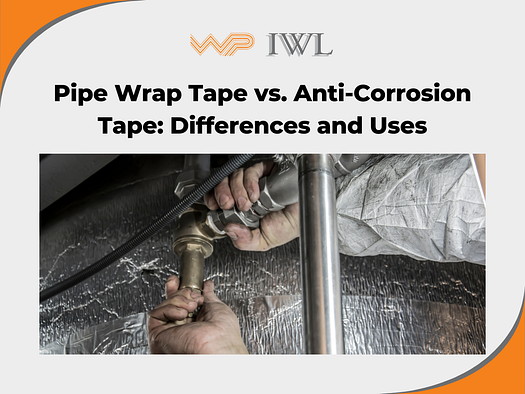
What is Pipe Wrap Tape?
Pipe wrap tape is a thick, durable protective tape designed primarily to wrap around pipelines and shield them from corrosion, abrasion, and environmental damage.
It is typically applied in a spiral wrapping method, creating a continuous barrier around the pipe. According to industry sources, pipeline wrapping involves applying adhesive tape systems over pipes to form a moisture-resistant protective layer, especially for buried pipelines .
Key Features:
- Thick and highly durable construction
- Waterproof and UV-resistant
- Resistant to soil stress and mechanical damage
- Flexible enough to wrap around joints and bends
Common Materials:
- Polyethylene (PE) backing
- PVC (Polyvinyl Chloride)
- Polypropylene
- Butyl rubber or bitumen adhesive
Typical Uses:
- Underground pipelines (oil, gas, water)
- Outdoor exposed pipes
- Mechanical protection over coatings
- Pipe joints and fittings
Pipe wrap tape is often used as a complete wrapping system, sometimes including:
- Primer layer
- Inner anti-corrosion layer
- Outer mechanical protection layer
What is Anti-Corrosion Tape
Anti-corrosion tape is a specialized protective tape designed specifically to prevent corrosion by blocking moisture, oxygen, and chemical exposure.
It acts as a chemical and physical barrier, preventing the electrochemical reactions that cause rust. It forms a tight seal over metal surfaces, significantly extending their lifespan .
Key Features:
- Prevents corrosion at the source
- Provides airtight and watertight sealing
- Offers dielectric insulation (prevents electrochemical reactions)
- Conforms tightly to irregular surfaces
Common Materials:
- Butyl rubber
- Bitumen (asphalt-based)
- Petrolatum (wax-based)
- PVC or PE backing
Types:
- Polyethylene anti-corrosion tape
- Petrolatum tape (for marine environments)
- Bitumen tape (for underground pipelines)
- Visco-elastic tape (self-healing properties)
Typical Uses:
- Corrosion protection for pipelines
- Flanges, valves, and fittings
- Marine and offshore structures
- Chemical and industrial environments
Key Differences Between Pipe Wrap Tape and Anti-Corrosion Tape
Although these tapes overlap in function, their primary roles and performance focus differ.
1. Purpose
- Pipe Wrap Tape:
Focuses on overall protection, including mechanical damage, moisture, and minor corrosion. - Anti-Corrosion Tape:
Specifically designed to prevent corrosion through chemical and barrier protection.
👉 In simple terms:
Pipe wrap tape = protection + durability
Anti-corrosion tape = corrosion prevention specialist
2. Functionality
- Pipe wrap tape provides:
- Physical protection
- Cushioning against impact
- Environmental shielding
- Anti-corrosion tape provides:
- Moisture and oxygen barrier
- Chemical resistance
- Electrochemical corrosion prevention
3. Structure
- Pipe Wrap Tape:
- Often thicker
- Multi-layer system
- Includes outer protective layers
- Anti-Corrosion Tape:
- Can be single or multi-layer
- Focuses on adhesive sealing and barrier performance
4. Application Method
- Pipe wrap tape:
- Applied in spiral wrapping with overlap
- Used as a full coverage system
- Anti-corrosion tape:
- Applied tightly over specific areas
- Often used under or along with wrap tape
5. Usage Combination
In many industrial projects, both tapes are used together:
- Anti-corrosion tape → inner layer (protection against rust)
- Pipe wrap tape → outer layer (mechanical protection)
This layered system significantly improves pipeline durability.
When to Use Pipe Wrap Tape
Choose pipe wrap tape when:
- Pipes are exposed to physical damage or soil stress
- You need long-term outdoor or underground protection
- The project requires high durability and thickness
- You are reinforcing existing coatings
Example:
- Underground water pipelines
- Industrial gas pipelines
- Construction plumbing systems
Pipe wrap tape is ideal where mechanical strength is as important as corrosion resistance.
When to Use Anti-Corrosion Tape
Choose anti-corrosion tape when:
- The primary concern is rust prevention
- Pipes are exposed to moisture, chemicals, or salts
- You need protection for irregular shapes (valves, joints)
- The environment is highly corrosive (marine, industrial)
Example:
- Offshore pipelines
- Chemical plants
- Flanges and fittings
Anti-corrosion tape is best where chemical protection is critical.
Advantages of Each
Pipe Wrap Tape Advantages:
- Strong and durable
- Excellent mechanical protection
- Easy installation
- Long service life
Anti-Corrosion Tape Advantages:
- Superior corrosion resistance
- Excellent sealing capability
- Works on uneven surfaces
- Immediate protection without curing
Limitations to Consider
Pipe Wrap Tape:
- May not provide complete corrosion protection alone
- Requires proper surface preparation
Anti-Corrosion Tape:
- Lower mechanical strength
- May need additional outer wrapping for durability
Best Practice: Combined System
In modern pipeline engineering, the most effective approach is combining both tapes:
- Apply primer
- Apply anti-corrosion tape (inner layer)
- Apply pipe wrap tape (outer layer)
This ensures:
- Maximum corrosion resistance
- Mechanical durability
- Long-term reliability
Such systems are widely used in oil, gas, and water pipelines to extend service life and reduce maintenance costs .
Conclusion
While pipe wrap tape and anti-corrosion tape are closely related, they serve distinct but complementary roles in pipeline protection.
- Pipe wrap tape focuses on durability, mechanical protection, and environmental shielding.
- Anti-corrosion tape specializes in preventing rust and chemical degradation.
For most industrial applications, using them together provides the best performance, longevity, and cost efficiency.
