Pickle Making Course: Process, Hygiene and Quality
Author : aman khurana | Published On : 26 Oct 2026
A pickle making course can help learners understand how ingredients, acidity, salt, hygiene, and packaging work together to produce a consistent product. Pickles may be made from mango, lemon, chilli, mixed vegetables, or other ingredients, but each recipe needs suitable controls to manage quality and safety. For people interested in small-scale food production or a role in processing, FICSI-Elearning offers a way to explore structured food-sector learning. A course should be treated as a foundation, with recipes and processes validated for the specific product.
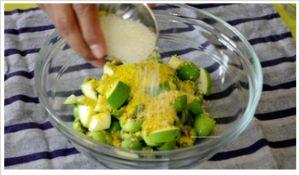
Understanding the Basics of Pickle Making
Pickle making combines ingredient preparation with preservation methods that create the desired flavour and texture. Recipes differ, so learners need to understand the purpose of each ingredient and the conditions required for the chosen method.
Selection and preparation of raw materials
Choose sound, mature produce suited to the recipe. Sort out mouldy, bruised, decayed, or pest-damaged pieces and wash produce with potable water. Cut size and shape affect texture and how evenly ingredients absorb salt, acid, and spices. Use clean utensils and avoid leaving prepared produce exposed to dust or pests.
Role of salt, acid and oil
Salt can draw moisture from produce and contribute to the environment required by a recipe. Acidification lowers pH, while oil may help coat ingredients and influence flavour and texture in some styles. These ingredients are not interchangeable, and visual appearance cannot prove that a pickle is safe. Follow a tested formulation and avoid reducing preservative ingredients without validation.
Spices and recipe consistency
Spices provide aroma, colour, and characteristic taste, but their quality and handling matter. Weigh ingredients accurately and document any changes to the recipe. Variation in produce moisture, spice strength, or cutting size can change the final result, so batch records help the maker repeat successful outcomes.
Hygiene and Process Control
A safe pickle operation needs controls at preparation, mixing, fermentation or acidification where applicable, filling, and storage. The exact method should match the product and a validated recipe.
Clean equipment and work areas
Wash and sanitise food-contact surfaces using suitable methods and approved concentrations. Keep raw produce, finished pickles, packaging, and cleaning chemicals organised to avoid cross-contamination. Staff should wash hands and use clean protective clothing where required. Containers and lids should be inspected for damage before filling.
Control the recipe and processing conditions
Record ingredient weights, salt or acid quantities, preparation times, and any specified temperature or holding conditions. If fermentation is used, follow the recipe's defined process and monitor the required parameters. Do not assume that adding vinegar or salt by eye will produce a safe result. Product safety depends on the full formulation and process, not a single ingredient.
Packaging and storage
Use packaging suitable for acidic or oily foods and ensure closures are intact. Follow the validated filling, sealing, cooling, and storage instructions for the product. Label each batch with the product name, ingredients, date code, storage conditions, and other required information. Check for leakage, swelling, unusual odour, or other signs that require the product to be held for assessment.
Learning to Produce Pickles Consistently
Practical food processing knowledge includes measurement, documentation, sanitation, and the ability to identify a deviation. Training can help learners connect recipe steps with the quality and safety outcomes they are intended to achieve.
Batch records and quality checks
A batch sheet should record raw material lot, ingredient quantities, processing steps, packaging used, and checks performed. Depending on the product, testing may include pH, salt concentration, appearance, texture, or other specification measures. Use calibrated equipment and documented acceptance criteria rather than relying only on taste or appearance.
Planning a small food business
Before selling pickles, review applicable registration, labelling, hygiene, packaging, shelf-life, and local regulatory requirements. Calculate ingredient, packaging, labour, energy, and distribution costs to understand the actual cost per unit. Pilot batches should be evaluated systematically before production is scaled up. FICSI-Elearning can support foundational learning, but business compliance and product validation remain essential.
Building Skills Through Pickle Making Training
A pickle making course is most useful when it explains why ingredients are measured, how hygiene is maintained, and how processing conditions are verified. FICSI-Elearning can be explored by learners seeking structured food-processing knowledge. Before selling a product, use a tested formulation, validate safety and shelf life, follow applicable regulations, and maintain batch records so that quality can be reproduced reliably.

Common Quality Problems and Their Causes
Soft texture may relate to raw material quality, cutting size, processing conditions, or storage. Uneven flavour can arise from inconsistent weighing or mixing, while leakage may point to a packaging or sealing problem. A disciplined investigation checks the process record and packaging before changing the recipe. Random adjustments can create new problems and make batches difficult to compare.
Why Shelf-Life Claims Need Evidence
A product should not be assigned a shelf life simply because a similar recipe lasted a certain number of months. Ingredients, pH, packaging, processing, storage, and contamination risk all affect stability. Shelf-life decisions should be supported by an appropriate assessment and follow relevant requirements. When evidence is insufficient, the maker should seek qualified technical advice rather than guess.
