Pet Immunizations Clinic: Protecting Your Pet’s Health Through Preventive Care
Author : Vida vet veterinary clinic | Published On : 13 Nov 2026
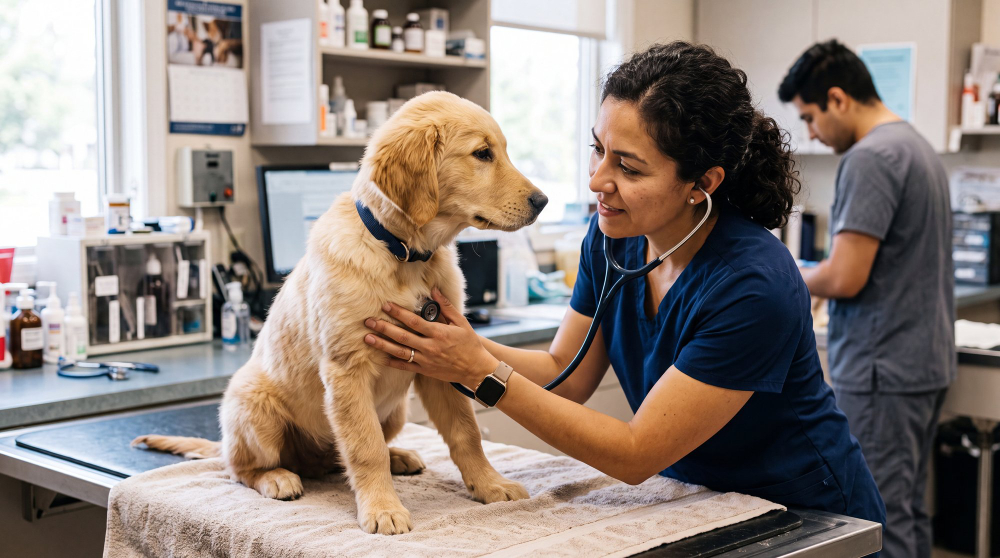
Keeping pets healthy involves more than providing proper nutrition, exercise, and regular veterinary checkups. Vaccinations are an important part of preventive care, helping protect dogs and cats from several infectious diseases. Visiting a pet immunizations clinic in Dubai allows pet owners to discuss their animal’s vaccination needs and establish an appropriate immunization schedule.
Why Pet Immunizations Are Important
Vaccinations help prepare a pet’s immune system to recognise and respond to specific infections. They can reduce the risk of certain serious illnesses and help limit the spread of contagious diseases among animals. The vaccines recommended for each pet may depend on factors such as age, species, medical history, lifestyle, and potential exposure to other animals.
Common Vaccinations for Dogs and Cats
Dog Vaccinations
Core vaccines for dogs commonly include protection against canine distemper, adenovirus, parvovirus, and rabies. Depending on the dog's lifestyle and risk factors, a veterinarian may also recommend vaccines for illnesses such as Bordetella, leptospirosis, or Lyme disease.
Cat Vaccinations
Core cat vaccines generally include protection against feline panleukopenia, feline herpesvirus, and feline calicivirus. Rabies vaccination is also recommended or legally required in many areas. The feline leukemia virus vaccine may be recommended for certain cats based on their age and exposure risk. A veterinarian can explain which vaccines are appropriate for an individual pet.
What to Expect at a Pet Immunizations Clinic
A vaccination appointment usually begins with a review of the pet's medical history and a physical examination. The veterinarian may ask about previous vaccinations, current health concerns, lifestyle, and contact with other animals.
The appointment may include:
-
Reviewing existing vaccination records.
-
Checking the pet's general health.
-
Discussing recommended vaccines.
-
Administering suitable vaccinations.
-
Explaining possible side effects and follow-up requirements.
Keeping vaccination records updated can help ensure that future appointments are scheduled appropriately.
How Often Do Pets Need Vaccinations?
Vaccination schedules vary depending on the vaccine, the pet's age, and its previous immunisation history. Puppies and kittens generally require a series of initial vaccinations, followed by booster doses. Adult pets may need boosters at intervals recommended by their veterinarian. Some vaccines are administered annually, while others provide protection for longer periods. Follow your veterinarian's guidance rather than assuming every vaccine follows the same schedule.
Choosing the Right Pet Immunizations Clinic
When selecting a veterinary clinic, consider its experience, available services, appointment process, and approach to preventive care. Choose a provider who can explain vaccination recommendations and address questions about your pet's health. Refer Link: https://vida-vet.com/
Conclusion
A pet immunizations clinic plays an important role in supporting preventive veterinary care. Regular veterinary assessments and an appropriate vaccination schedule can help protect pets against preventable infectious diseases and support their long-term health. Consult your veterinarian to determine the immunizations best suited to your pet's individual needs.
