Personal Trainer for Couples A Beginner’s Guide to Shared Fitness
Author : Soho fit Tampa | Published On : 12 Aug 2026
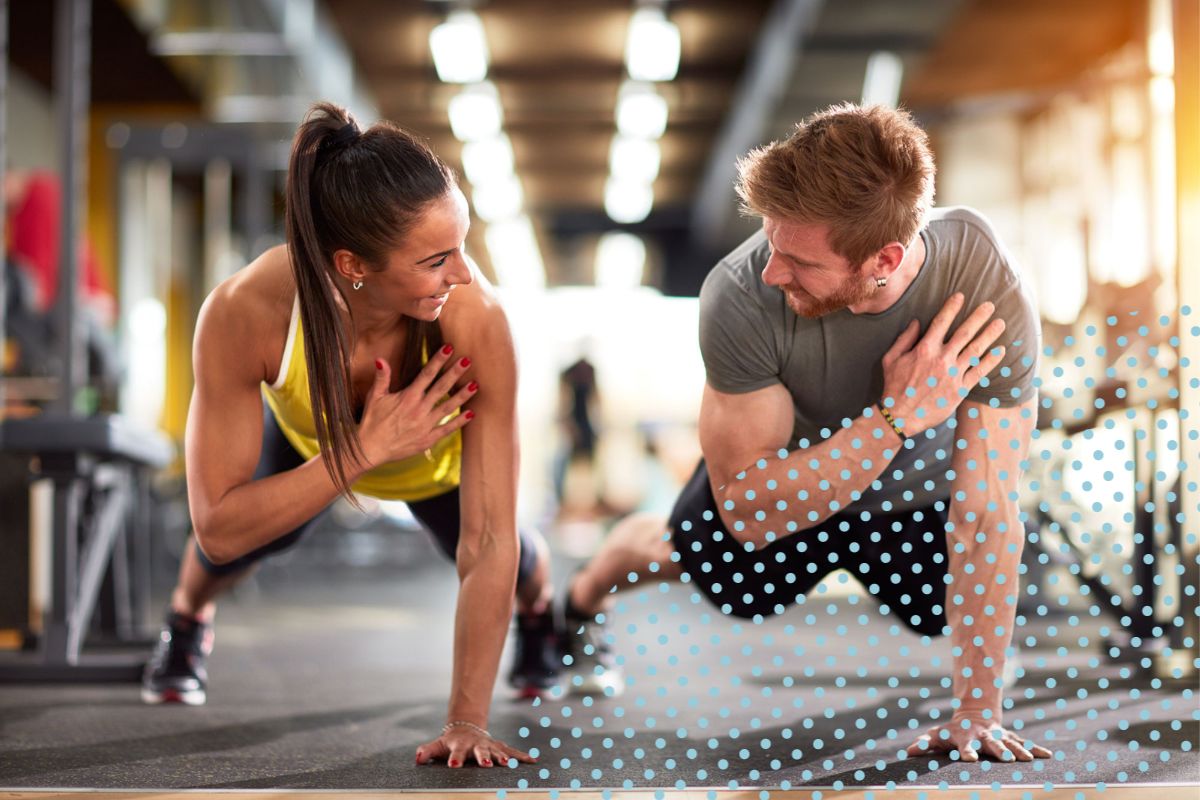
Working out together can make exercise more structured, enjoyable, and consistent. A Personal Trainer for Couples provides guidance to two people during shared training sessions while considering their individual fitness levels, goals, abilities, and preferences. For beginners, couple-based personal training can offer a practical way to learn proper exercise techniques while supporting accountability and motivation.
Couples do not need to have identical fitness goals or experience levels. A well-planned program can accommodate differences while allowing both partners to exercise during the same session.
What Is a Personal Trainer for Couples?
A Personal Trainer for Couples is a fitness professional who works with two partners during the same training session. The trainer designs exercises and routines that can address shared objectives while adjusting movements, resistance, repetitions, or intensity for each person.
A couple may train together to:
- Improve general fitness
- Build strength
- Increase mobility
- Develop cardiovascular endurance
- Improve exercise technique
- Establish consistent workout habits
- Support individual fitness goals
The main advantage is that both people receive professional guidance without necessarily following identical workouts.
How Couple Personal Training Works
A typical session begins with an assessment of each person's fitness level and goals. The trainer may ask about exercise history, preferred activities, scheduling, and specific objectives.
The session may then include:
Warm-Up
Light movements prepare the body for exercise and may include walking, mobility drills, or dynamic movements.
Strength Training
Partners may perform similar exercises with different weights or resistance levels. For example, one person may use heavier resistance while the other performs the same movement with a lighter option.
Cardiovascular Training
Walking, cycling, rowing, or interval-based exercises can be incorporated according to each person's ability.
Cool-Down
The session may finish with lower-intensity movement and stretching to help transition out of the workout.
Benefits of Training as a Couple
Shared personal training can provide physical and behavioral benefits when both partners participate consistently.
Shared Accountability
Having a scheduled workout with a partner can encourage consistency. Each person may be more likely to attend when someone else is expecting them.
Individualized Guidance
Although the session is shared, exercises can be modified according to individual abilities. This allows partners with different experience levels to train together.
Better Exercise Technique
A trainer can demonstrate movements and provide corrections. Learning proper form is particularly useful for beginners who are unfamiliar with resistance training.
Increased Motivation
Exercising with a partner can make workouts feel more engaging. Encouragement from a familiar person may also help some individuals maintain a regular routine.
Efficient Scheduling
Couples with busy schedules may find it easier to set aside one shared training period rather than attending separate sessions.
Comparing Common Training Options
| Training Option | Main Benefit | Personalization | Social Interaction | Suitable for Beginners |
|---|---|---|---|---|
| Individual Personal Training | Highly individualized attention | Very high | Low | Yes |
| Couple Personal Training | Shared training and accountability | High | High | Yes |
| Group Fitness | Social exercise environment | Moderate | High | Usually |
| Independent Gym Training | Flexible scheduling | Self-directed | Variable | Depends on experience |
The most appropriate format depends on personal goals, schedules, fitness experience, and preferred learning environment.
Common Goals for Couples
Couples may have similar or completely different reasons for exercising.
Weight Management
Some couples may want to establish healthier activity habits and increase daily movement.
Strength Development
Resistance training can help improve muscular strength and functional capacity when exercises are appropriately selected.
General Fitness
A balanced routine can combine cardiovascular exercise, strength training, flexibility, and mobility.
Event Preparation
Some couples may train together before a hiking trip, recreational event, or other physically demanding activity.
The important point is that the program should reflect the needs of both individuals rather than assuming both partners require the same routine.
Common Mistakes to Avoid
Comparing Fitness Levels
Partners may have different strength, endurance, or mobility levels. Comparing performance can create unnecessary pressure.
Using the Same Resistance
Two people performing the same exercise do not necessarily need the same weight or resistance. Training loads should be appropriate for each person.
Turning Workouts Into Competition
Friendly motivation can be useful, but constant competition may reduce enjoyment and encourage poor exercise decisions.
Ignoring Individual Goals
A couple may share a workout schedule while having different objectives. Each person's goals should be considered when planning the program.
Skipping Rest and Recovery
Training more frequently is not automatically better. Recovery should be considered alongside exercise volume and intensity.
Expert Tips for Effective Couple Training
Communicate Individual Goals
Before starting a program, each partner should explain what they hope to achieve. Clear goals help the trainer design appropriate sessions.
Accept Different Progress Rates
One partner may improve strength or endurance faster than the other. Progress should be evaluated individually.
Use Partner Exercises Carefully
Some exercises can involve both partners, but safety should remain the priority. Partner activities should be appropriate for their experience and physical abilities.
Track Progress
Recording workouts, repetitions, resistance, or endurance can help both partners see gradual improvement.
Keep Sessions Balanced
A good program should include different forms of movement rather than focusing exclusively on one type of exercise.
Best Practices for Beginners
Couples starting a fitness program can benefit from a few simple habits:
- Establish realistic goals.
- Begin with manageable exercise intensity.
- Attend sessions consistently.
- Learn proper movement techniques.
- Communicate discomfort or concerns.
- Allow adequate recovery time.
- Stay hydrated.
- Use appropriate footwear and clothing.
- Track progress over time.
- Focus on consistency rather than perfection.
These habits can make the transition into regular exercise more manageable.
Training for Different Age Groups
Fitness needs can change with age, experience, and physical ability. Couples should not assume that one training approach is appropriate for everyone.
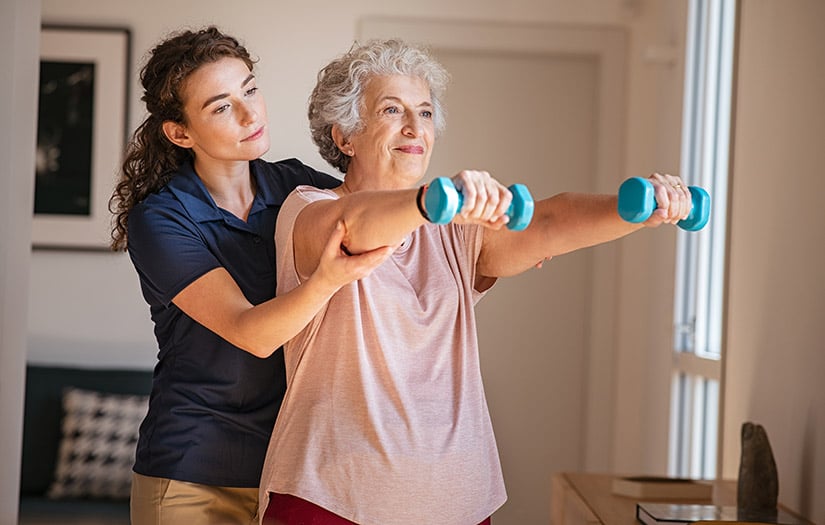
For example, a younger beginner may focus on strength and conditioning, while another person may prioritize mobility, balance, or functional fitness. A Personal Trainer For Seniors may use age-appropriate exercises that emphasize mobility, balance, strength, and safe progression.
Regardless of age, exercise intensity should be adjusted according to individual ability and training experience.
Safety Considerations
Safety should be part of every training program. Beginners should learn correct movement patterns before increasing resistance or intensity.
Important considerations include:
- Start with an appropriate warm-up.
- Use proper technique.
- Increase intensity gradually.
- Use equipment correctly.
- Communicate discomfort promptly.
- Allow sufficient recovery.
- Follow professional guidance when needed.
Individuals with specific health concerns or limitations should seek appropriate professional guidance before beginning a new exercise program.
People Also Ask
Is personal training good for couples?
It can be useful for couples who want shared accountability while still receiving exercises adjusted to their individual abilities and goals.
Can couples have different fitness goals?
Yes. A trainer can modify exercises, resistance, repetitions, and intensity so each person can work toward individual objectives.
Do both partners need the same fitness level?
No. Couple training can accommodate different experience, strength, endurance, and mobility levels.
How often should couples work out together?
The appropriate frequency depends on goals, experience, recovery, and schedule. Beginners may benefit from establishing a manageable routine before increasing frequency.
Can couple training help with motivation?
Training together may provide accountability and encouragement, although motivation varies between individuals.
Frequently Asked Questions
What should couples wear for personal training?
Comfortable athletic clothing and supportive footwear are generally appropriate. Clothing should allow unrestricted movement.
Can beginners participate in couple personal training?
Yes. Beginner sessions can focus on fundamental movements, technique, and gradual progression.
What if one partner is much stronger?
The trainer can adjust resistance, repetitions, exercise variations, or intensity so both partners can train appropriately.
Should couples do every exercise together?
Not necessarily. Some exercises may be shared, while others can be selected individually based on each person's goals and abilities.
How long should a couple's workout session be?
Session length varies according to the training plan. A trainer can structure the workout around warm-up, main exercises, conditioning, and cool-down.
Can couple training include cardio and strength exercises?
Yes. A balanced program may include both cardiovascular and resistance exercises along with mobility work.
How can couples stay consistent?
Scheduling workouts together, setting realistic goals, tracking progress, and supporting each other's efforts can help establish a sustainable routine.
Conclusion
A Personal Trainer for Couples can provide a structured way for two people to exercise together while still addressing their individual fitness needs. The approach can support accountability, improve exercise technique, encourage consistency, and make scheduled workouts easier to maintain. Beginners should focus on realistic goals, proper form, gradual progression, and adequate recovery rather than comparing their performance with their partner. With individualized adjustments and consistent participation, couple training can become a practical part of a long-term fitness routine.
# Personal Trainer for Couples, #Couple Personal Training, #Couples Fitness, #Personal Training, #Partner Workouts, #Beginner Fitness, #Strength Training, #Cardio Training, #Fitness Accountability, #Personal Trainer For Seniors
Soho Fit Tampa
3431 S Westshore Blvd Tampa 33629
+1 813-586-0760
