Peppermint Oil Uses: Benefits, Applications, and How to Use It
Author : Peppermint oil and Menthol crystals | Published On : 13 Oct 2026
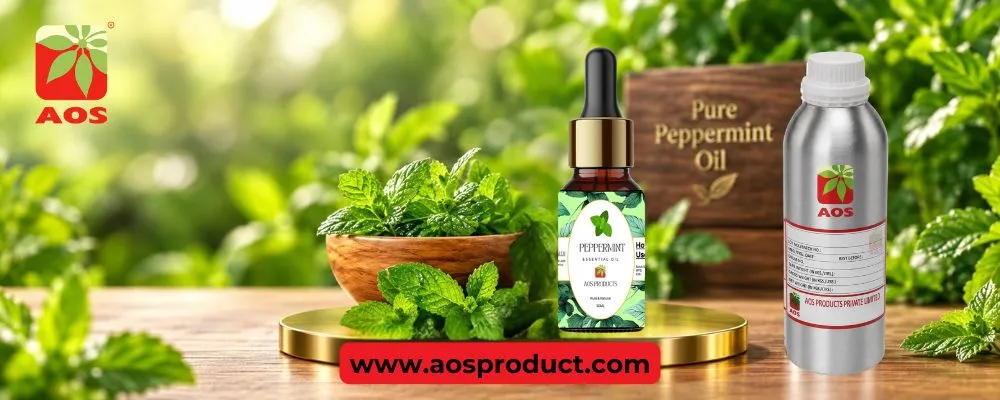
Peppermint oil is a popular essential oil known for its refreshing aroma, cooling sensation, and versatile uses. Extracted from the leaves of the peppermint plant (Mentha × piperita), this oil is widely used in aromatherapy, personal care products, massage oils, and certain health-related applications.
Thanks to its natural menthol content, peppermint oil offers a cooling and refreshing experience. When used correctly, it can be a useful addition to your daily self-care routine.
1. Peppermint Oil for Hair Care
Peppermint oil is commonly used in hair care products because of its cooling sensation and refreshing fragrance. It is often added to shampoos, conditioners, and scalp massage oils.
Potential uses:
Provides a refreshing sensation on the scalp.
Helps create a clean, invigorating hair-care experience.
Supports scalp-care routines when used in properly formulated products.
However, evidence that peppermint oil promotes hair growth in humans is limited. Always dilute it before applying it to the scalp, and discontinue use if irritation occurs.
2. Peppermint Oil for Skin Care
Peppermint oil is used in some cosmetic and personal-care products because of its cooling properties and distinctive fragrance.
Common applications:
Cooling massage oils and balms.
Foot-care products.
Body lotions and creams formulated with peppermint oil.
Refreshing personal-care products.
Peppermint oil can irritate sensitive skin, so it should never be applied undiluted. Avoid applying it near the eyes, inside the nose, or to broken skin.
3. Peppermint Oil in Aromatherapy
One of the most popular uses of peppermint oil is aromatherapy. Its crisp, minty scent can make a room feel fresh and invigorating.
How to use it:
Add it to an essential-oil diffuser according to the manufacturer's instructions.
Use it in a properly formulated aromatic product.
Enjoy its refreshing fragrance in a well-ventilated space.
Some research suggests that peppermint aroma may support alertness, but its effects can vary from person to person. Aromatherapy should not replace medical treatment.
4. Peppermint Oil for Headache Relief
Peppermint oil has been studied for certain types of headache relief, particularly when applied topically in specific formulations.
Some evidence suggests that appropriately formulated peppermint oil applied to the forehead or temples may help relieve tension-type headaches. However, essential oils can irritate the skin and eyes, and concentrated peppermint oil should not be applied directly to the face.
For headache treatment, use only a suitable, properly diluted product and follow its label instructions.
5. Peppermint Oil for Digestive Comfort
Peppermint oil is also used in digestive-health products. Enteric-coated peppermint oil capsules have some evidence supporting their use for relieving symptoms of irritable bowel syndrome (IBS), including abdominal pain and bloating.
It is important to distinguish these specially formulated capsules from ordinary essential oil.
Important: Never swallow undiluted peppermint essential oil or use a product internally unless it is specifically intended for that purpose and a qualified healthcare professional confirms that it is appropriate for you. Peppermint oil may worsen acid reflux or heartburn.
6. Peppermint Oil for Massage
Peppermint oil is sometimes added to massage oils and balms because it creates a cooling sensation on the skin.
It may be used in properly formulated products for:
Refreshing foot massages.
Cooling body massage blends.
Post-exercise massage routines.
The cooling sensation does not necessarily mean that the oil treats muscle injuries. Always use an appropriately diluted product and perform a small-area skin test first.
7. Peppermint Oil for Freshening the Home
Peppermint oil's strong, minty aroma makes it useful in home-fragrance applications.
You can use it in:
Essential-oil diffusers.
Suitable homemade room-fragrance preparations.
Properly formulated scented cleaning products.
Keep concentrated oil away from children and pets. Peppermint oil can be harmful to pets, especially cats, and should not be applied to animals without veterinary guidance.
8. Peppermint Oil as an Ingredient in Personal-Care Products
Peppermint oil is frequently included in commercial products such as:
Shampoos and conditioners.
Toothpaste and mouth-care products.
Body washes and soaps.
Lip balms and foot creams.
Massage oils and cooling balms.
In these products, peppermint oil contributes fragrance and a cooling sensation. Its suitability depends on the concentration, formulation, and intended use.
How to Use Peppermint Oil Safely
Although peppermint oil has several applications, correct use is essential.
- Dilute before skin application: Never apply concentrated essential oil directly to the skin. Follow a suitable product's dilution instructions.
- Perform a patch test: Test a small area first and watch for redness, itching, or burning.
- Avoid sensitive areas: Keep it away from the eyes, mucous membranes, and damaged skin.
- Do not ingest casually: Essential oils are highly concentrated and may be toxic if swallowed incorrectly.
- Use caution around children: Peppermint oil can cause serious adverse effects in young children, particularly if applied near the nose or face.
- Seek professional advice: Consult a healthcare professional before medicinal use, especially during pregnancy or breastfeeding, or if you have an existing medical condition.
Conclusion
Peppermint oil is a versatile essential oil used in hair care, skin care, aromatherapy, massage products, and selected digestive-health preparations. Its refreshing fragrance and cooling properties make it a popular ingredient in many personal-care and household products.
For the best experience, choose a quality product intended for your specific purpose and follow its instructions carefully. While peppermint oil has promising uses, not every popular claim is supported by strong scientific evidence. Safe, informed use is the key to making the most of its benefits.
