Patient-Centric Design: Small Changes That Boost User Adoption Rates
Author : Peter Thompson | Published On : 15 Sep 2026
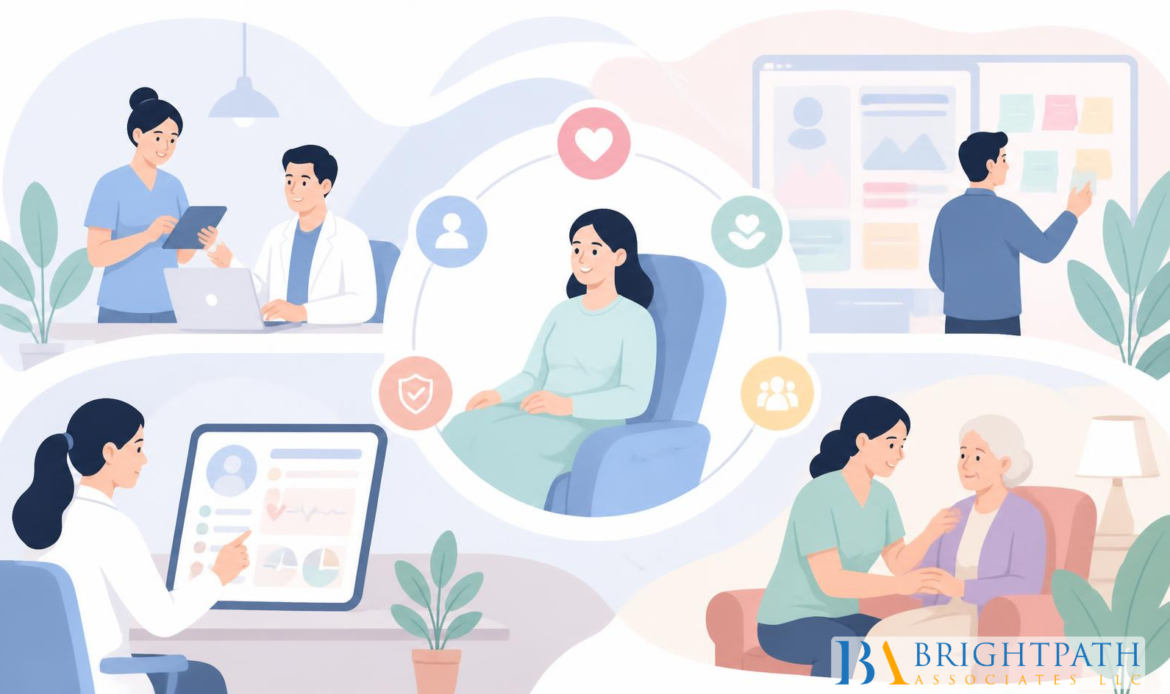
Medical device companies have traditionally competed on clinical performance, technical innovation, regulatory compliance, reliability, and manufacturing efficiency. These factors remain fundamental, but another consideration is becoming increasingly important: how easily people can actually use the product.
A medical device can perform exactly as engineered and still struggle commercially if patients find it confusing, uncomfortable, intimidating, or inconvenient. This challenge is particularly important as connected devices, digital health platforms, artificial intelligence, remote monitoring, and increasingly sophisticated technologies become part of everyday healthcare.
This shift toward patient-centric thinking is becoming particularly significant across the broader Medical Device Manufacturing Industry, where companies must balance technological advancement with usability, safety, regulatory expectations, and commercial adoption.
Patient-Centric Design Starts With Real-World Users
Patient-centric design means developing products around the actual experiences, limitations, expectations, and behaviors of the people who will interact with them. Those users are not always the same. A device may be operated by a patient at home, a caregiver supporting an elderly family member, a nurse in a hospital, or a specialist managing complex clinical equipment. Each user can encounter different obstacles.
Age, eyesight, dexterity, mobility, health literacy, technological familiarity, emotional state, and treatment environment can all affect usability. A product that appears intuitive during a controlled demonstration may become considerably more difficult when used by someone experiencing pain, fatigue, anxiety, or limited mobility.
This is why manufacturers should look beyond technical functionality. A stronger development process asks whether users understand what the device is communicating, whether they feel confident operating it, and whether using it fits naturally into their daily routines.
Small Interface Changes Can Have a Significant Impact
One of the most practical opportunities for improvement is the user interface. Medical devices increasingly incorporate digital displays, mobile applications, dashboards, alerts, and interactive controls. However, adding more information does not automatically improve the user experience. In many situations, excessive information can increase cognitive burden.
Consider a connected monitoring device that provides a patient with multiple measurements. The user may not need to interpret a complicated dashboard every time. What they may need most is a clear indication of whether their result is within the expected range and what action may be appropriate.
Reducing unnecessary complexity can therefore make advanced technology feel more approachable. This becomes even more important when artificial intelligence is incorporated into a medical product. Sophisticated algorithms have limited practical value if their recommendations are difficult for users to understand.
Designing for Accessibility Rather Than the Average User
An older patient may struggle with a small screen. Someone with limited dexterity may have difficulty pressing a tiny button. A user with reduced vision may need stronger visual contrast or alternative feedback. A patient unfamiliar with digital technology may become frustrated by complicated authentication procedures.
These challenges do not necessarily require expensive product redesigns. Increasing button size, improving grip surfaces, simplifying controls, providing visual or audible confirmation, and reducing the number of required interactions can make products more accessible.
The important point is timing. Accessibility should be considered during the early stages of product development rather than treated as a correction after the main design has been completed.
Simplifying Instructions Can Improve Adoption
Medical devices often come with extensive documentation because manufacturers must communicate safety information, operating procedures, maintenance requirements, and regulatory details. Yet a comprehensive manual does not guarantee that the average patient will know what to do.
Users should be able to quickly identify how to start the device, operate it, clean it, charge it, store it, and respond when something goes wrong. Visual demonstrations and step-by-step guidance can further reduce uncertainty.
This matters commercially as well as clinically. A company can invest heavily in product development and market access, only to discover that users abandon the product because the first few interactions are frustrating. Patient experience therefore becomes part of the commercialization strategy.
Small Improvements Can Create Long-Term Competitive Advantages
Patient-centric design does not always require a revolutionary invention. Sometimes the most valuable improvement is removing one unnecessary step, changing the position of a button, simplifying an alert, improving comfort, reducing confusing notifications, or rewriting an instruction in plain language.
Individually, these changes may appear insignificant. Collectively, they can influence confidence, adherence, safety, satisfaction, and long-term product adoption. The broader lesson is that medical device innovation should not be measured solely by how sophisticated a technology is. It should also be measured by how effectively that technology fits into real people's lives.
For a deeper exploration of how practical design improvements can influence medical device adoption, see Patient-Centric Design: Small Changes That Boost User Adoption Rates.
The Next Stage of Medical Device Innovation Is Human-Centered
The medical device sector is entering an era in which sophisticated technology is becoming increasingly accessible outside traditional clinical environments. As products move closer to patients' homes and daily routines, usability will become increasingly important.
Companies that understand this shift can look beyond adding features and instead focus on removing friction.
As the industry continues to evolve, organizations that combine strong technology, rigorous regulatory discipline, clinical insight, and patient-centered leadership will be better positioned to turn innovation into meaningful adoption.
If your medical device organization is evaluating its next stage of growth, leadership capability, or product strategy, BrightPath Associates LLC can help connect your organization with experienced executive talent capable of turning patient-centered innovation into sustainable business results.
