Paper Transformation: Navigating Disruption and Growth
Author : Harrison Shafran | Published On : 23 Apr 2026
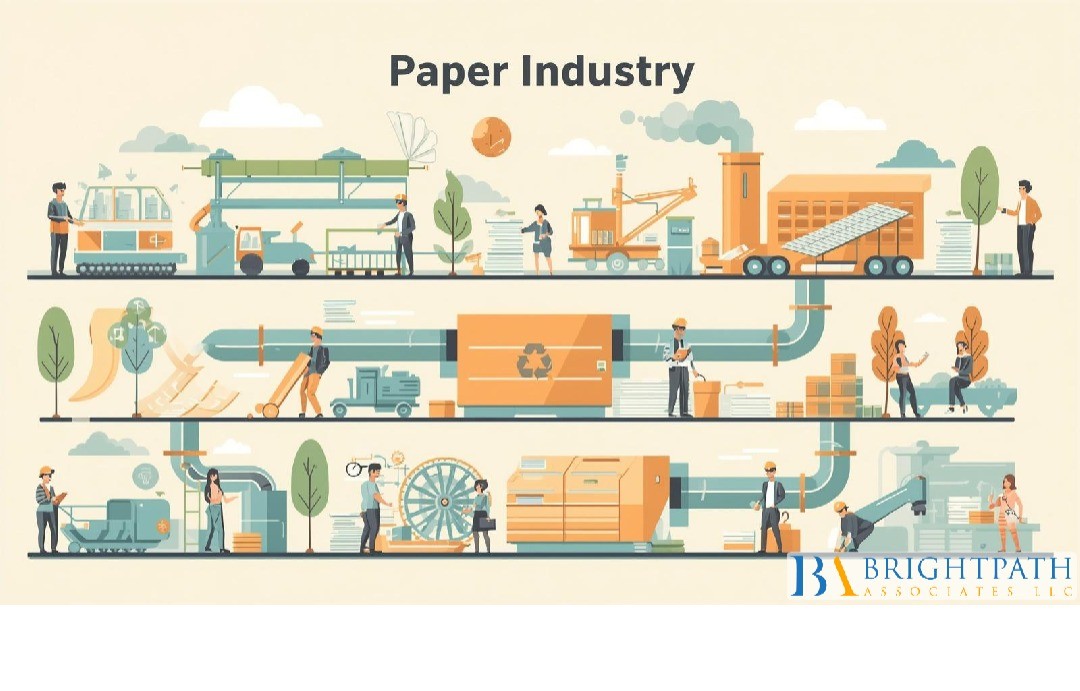
The paper and forest products industry is undergoing one of the most significant transformations in its history. Once considered a stable and traditional sector, it is now being reshaped by digital disruption, sustainability pressures, and evolving consumer demands. For small to mid-sized companies across the United States, this shift is not just a challenge—it is a defining moment. Organizations that adapt strategically will unlock new growth opportunities, while those that resist change risk being left behind in an increasingly competitive landscape.
At the core of this transformation lies disruption driven by technological advancement and changing market dynamics. Across industries, rapid innovation is forcing companies to rethink their business models, adopt new technologies, and redefine value creation. Research highlights that technological advancements, shifting consumer preferences, and global economic changes are key drivers reshaping industries and forcing organizations to adapt or risk losing relevance. This reality is especially true for the paper and forest products sector, where traditional demand patterns are evolving and new opportunities are emerging in packaging, sustainability, and specialty materials.
One of the most significant shifts within the industry is the decline of traditional paper demand, particularly in printing and writing segments, due to digitalization. At the same time, there is a strong rise in demand for packaging materials, fueled by the growth of e-commerce and sustainable alternatives to plastic. This dual transformation requires companies to rethink their operational strategies, diversify their product portfolios, and invest in innovation. The companies that succeed are those that recognize disruption not as a threat, but as a catalyst for reinvention and growth.
Sustainability has also become a central pillar of transformation. Environmental regulations, consumer awareness, and corporate responsibility initiatives are driving companies to adopt greener practices. From responsible sourcing of raw materials to energy-efficient production processes, sustainability is no longer optional—it is a competitive differentiator. Organizations that integrate sustainability into their core strategy are better positioned to build brand trust, meet regulatory requirements, and attract environmentally conscious customers.
However, navigating this transformation requires more than just operational adjustments—it demands strong leadership and a forward-thinking talent strategy. The industry is facing a growing need for professionals who can bridge traditional manufacturing expertise with modern technological and sustainability-driven approaches. This creates a critical opportunity for companies to rethink how they attract, develop, and retain talent.
To stay ahead, organizations must adopt a strategic approach to workforce planning. This includes identifying leaders who can drive digital transformation, manage complex supply chains, and lead sustainability initiatives. It also involves investing in workforce development to equip employees with the skills needed to operate in an increasingly technology-driven environment. Companies that prioritize talent as a strategic asset will be better positioned to navigate disruption and achieve long-term success.
For businesses seeking deeper insights into industry trends and workforce strategies, exploring the Paper & Forest Products Industry can provide valuable perspectives on market dynamics and talent requirements. Understanding these insights allows organizations to align their business strategies with evolving industry demands and stay competitive in a rapidly changing environment.
Another critical aspect of transformation is the adoption of digital technologies. From automation and data analytics to smart manufacturing and supply chain optimization, technology is enabling companies to improve efficiency, reduce costs, and enhance decision-making. Studies show that industries embracing digital transformation often experience higher productivity and faster growth compared to those that lag behind. In the paper industry, this translates into smarter production processes, better resource management, and improved customer responsiveness.
Yet, transformation is not without its challenges. Companies must navigate uncertainty, manage operational risks, and balance short-term performance with long-term strategic investments. This requires a clear vision, strong leadership, and the ability to make informed decisions in a rapidly changing environment. Organizations that embrace a culture of innovation and continuous improvement are more likely to succeed in overcoming these challenges.
Collaboration is also playing an increasingly important role in driving transformation. Partnerships with technology providers, research institutions, and industry experts can help companies accelerate innovation and access new capabilities. By leveraging external expertise, organizations can enhance their ability to adapt to change and stay ahead of industry trends.
At the same time, companies must focus on building resilience. Disruption is no longer a one-time event—it is an ongoing reality. Businesses that develop adaptive strategies, invest in innovation, and remain agile in their operations will be better equipped to navigate future uncertainties. This includes diversifying revenue streams, optimizing supply chains, and continuously evaluating market opportunities.
For a comprehensive understanding of how companies can successfully navigate these changes, this detailed guide on Paper Transformation: Navigating Disruption and Growth provides actionable insights and strategic approaches tailored to the industry. It highlights key trends, challenges, and opportunities that can help organizations make informed decisions and drive sustainable growth.
Ultimately, the transformation of the paper and forest products industry represents a powerful opportunity for forward-thinking companies. By embracing change, investing in innovation, and prioritizing talent, organizations can position themselves as leaders in a rapidly evolving market. The ability to adapt and evolve will define success in the years ahead.
