Paper Manufacturing: Innovations for a Circular Economy
Author : David Pitman | Published On : 07 May 2026
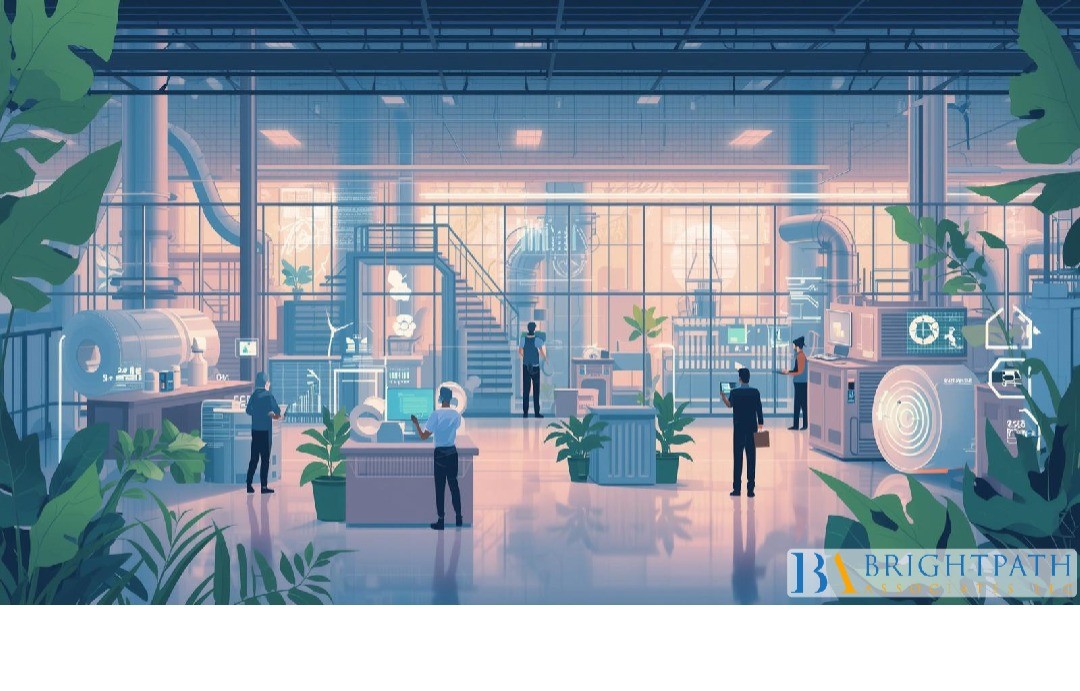
The paper manufacturing industry is experiencing a major transformation as companies increasingly adopt circular economy strategies, sustainable production methods, and advanced manufacturing technologies to remain competitive in a rapidly evolving industrial landscape. Across the United States, small to mid-sized manufacturers are recognizing that sustainability is no longer simply a compliance requirement but a critical business strategy that directly impacts operational efficiency, customer trust, workforce attraction, and long-term profitability. As environmental concerns continue to influence consumer behavior and government regulations, organizations throughout the paper sector are investing heavily in recycling systems, renewable resources, smart manufacturing, and waste reduction initiatives that support long-term environmental and economic sustainability.
One of the most significant changes shaping the industry today is the shift away from traditional linear manufacturing models toward circular production systems. Historically, paper manufacturing followed a process where raw materials were extracted, processed, used, and eventually discarded as waste. However, modern circular economy principles are encouraging manufacturers to extend material lifecycles through recycling, reuse, and resource optimization. Advanced fiber recovery systems, intelligent sorting technologies, and sustainable forestry practices are helping manufacturers reduce landfill waste while improving overall production efficiency. Companies embracing these innovations are not only reducing environmental impact but are also strengthening operational resilience and improving their ability to respond to changing market demands.
At the same time, automation and digital transformation are redefining operational processes throughout the paper industry. AI-powered monitoring systems, predictive maintenance technologies, robotics, and real-time production analytics are enabling manufacturers to optimize productivity while minimizing waste and energy consumption. Smart manufacturing technologies are helping organizations improve machine uptime, enhance production accuracy, lower operational costs, and increase sustainability reporting capabilities. As competition continues to intensify, manufacturers that invest in intelligent manufacturing systems are positioning themselves to achieve stronger long-term growth while maintaining operational flexibility in an increasingly complex market environment.
Sustainability has also become a defining factor in shaping business strategies across the Paper & Forest Products sector. Organizations are prioritizing renewable materials, sustainable packaging solutions, carbon reduction initiatives, water conservation programs, and environmentally responsible sourcing strategies. Companies that successfully integrate sustainability into their operational and leadership strategies are often gaining stronger market positioning, improved investor confidence, and enhanced brand reputation. Businesses seeking deeper insights into emerging industry trends, workforce transformation, and sustainable innovation can explore more through the Paper & Forest Products Industry resource provided by BrightPath Associates LLC.
Leadership and workforce development are equally important in supporting industry transformation. While technology plays a critical role in modernization, successful implementation ultimately depends on experienced executives and operational leaders who understand how to balance innovation, sustainability, profitability, and workforce strategy. Manufacturers are increasingly seeking leadership professionals with expertise in operational transformation, digital manufacturing, environmental compliance, and supply chain resilience. As workforce shortages continue to challenge industrial sectors across the country, strategic recruitment and leadership development have become essential priorities for organizations aiming to remain competitive and adaptable.
The future of paper manufacturing will likely be shaped by organizations that can successfully combine sustainability with innovation. Circular economy principles are becoming foundational business practices rather than optional initiatives, and manufacturers that proactively invest in advanced recycling systems, smart manufacturing technologies, and sustainable production strategies are expected to gain substantial competitive advantages in the years ahead. Industry experts anticipate continued growth in AI-driven production systems, sustainable packaging demand, digital manufacturing infrastructure, and resource-efficient operational models throughout the next decade.
As the industry continues evolving, one thing is becoming increasingly clear: innovation and sustainability are now deeply interconnected within modern manufacturing. Organizations that embrace technological advancement, workforce transformation, and responsible production practices are positioning themselves to lead the next generation of industrial growth. For a deeper understanding of how emerging technologies and circular economy strategies are reshaping the sector, explore Paper Manufacturing Innovations for Circular Economy.
What do you believe will have the biggest impact on the future of paper manufacturing — AI-driven automation, sustainable packaging innovation, advanced recycling technologies, or workforce transformation? The conversation surrounding the future of the industry is only beginning, and the companies that adapt strategically today may become tomorrow’s industry leaders.
