Packaging Circularity: Balancing Shelf-Life with Environmental Goals
Author : Jimmy Patel | Published On : 16 Oct 2026
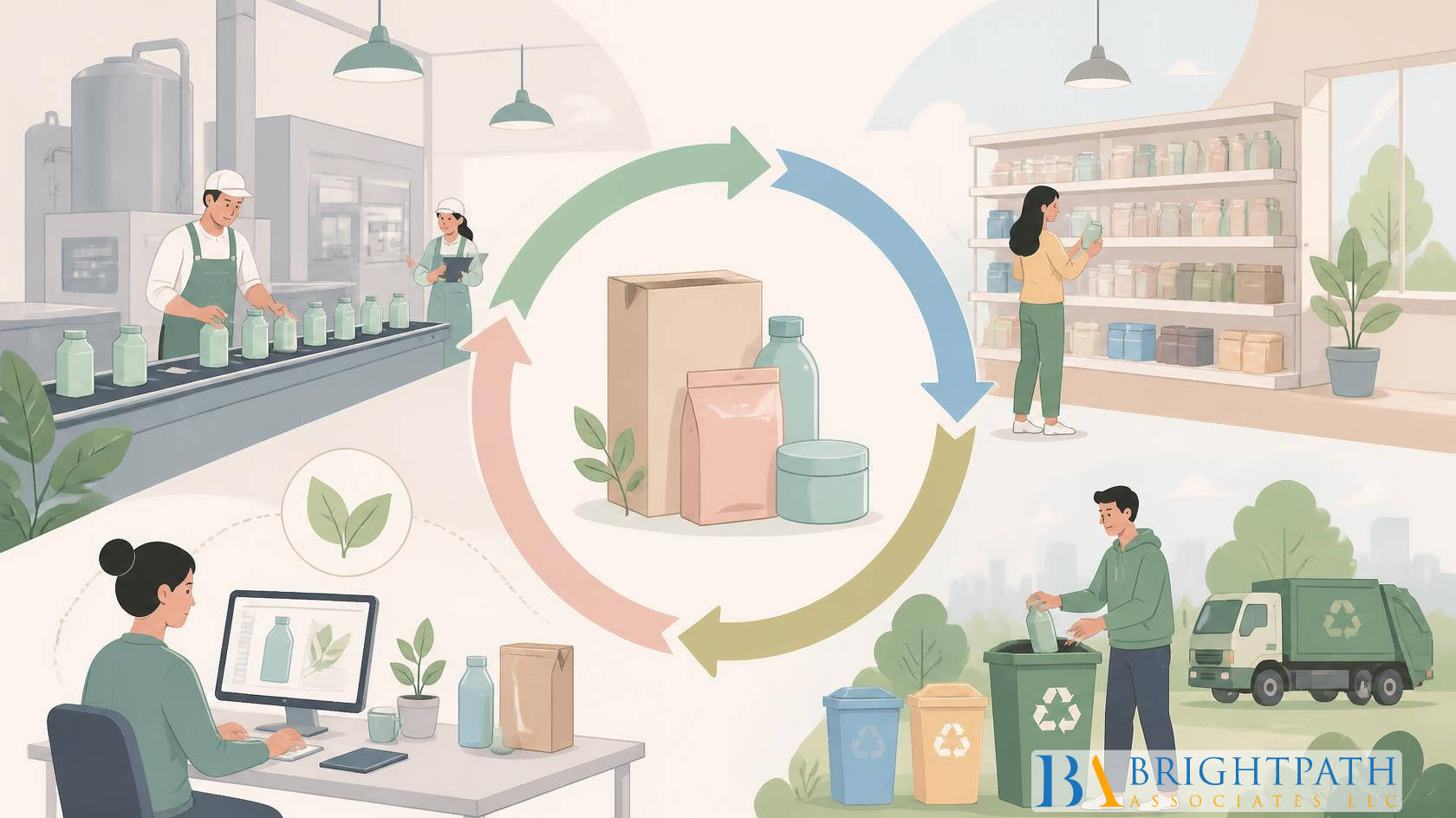
Packaging manufacturers face a complex challenge: how can they reduce environmental impact without compromising product quality, safety, or shelf life? As businesses across the United States respond to sustainability expectations, rising material costs, and changing customer preferences, packaging decisions are becoming an important part of operational strategy.
For small and mid-sized manufacturers, the challenge is particularly significant. They must balance investments in sustainable materials with production efficiency, product protection, and commercial performance. Simply replacing conventional packaging with a recyclable or lightweight alternative may not deliver the expected environmental benefits if the new design increases product damage or food waste.
The solution requires a broader approach that connects circular packaging design with industrial automation, manufacturing intelligence, and supply chain efficiency. By combining these capabilities, businesses can develop packaging systems that protect products, use resources more effectively, and support long-term sustainability objectives.
Why Shelf Life Matters in Circular Packaging
Packaging serves a critical function beyond presentation. It protects products from moisture, oxygen, light, contamination, physical damage, and other environmental conditions that can affect quality. In food and beverage applications, appropriate packaging can help extend shelf life and reduce spoilage during storage and transportation.
However, packaging materials also have environmental consequences. Single-use formats may generate substantial waste, while multilayer structures designed to provide strong barrier protection can be difficult to recycle through some existing systems.
This creates a difficult trade-off for manufacturers. Reducing material use may lower packaging consumption, but excessive reduction can weaken protection. Switching to an alternative material may improve recyclability while affecting durability, sealing performance, or storage requirements.
Businesses should therefore evaluate packaging based on its complete lifecycle rather than considering recyclability in isolation. The most appropriate solution is one that provides sufficient product protection while minimizing unnecessary material use and supporting realistic recovery or recycling options.
The Role of Smart Manufacturing in Circularity
Circularity depends on more than selecting recyclable materials. It also requires efficient production, effective resource management, and systems that support recovery or reuse wherever practical.
Smart manufacturing technologies can help businesses monitor material consumption, track production waste, and identify opportunities to improve resource utilization. Digital records may also support supplier coordination and provide better visibility into packaging specifications and performance.
Automation can contribute to more consistent material handling, reducing damage during manufacturing and distribution. In suitable operations, connected systems can also help coordinate production schedules with inventory requirements, reducing the risk of producing packaging that becomes obsolete or unnecessary.
These improvements are particularly relevant for small and mid-sized businesses, which often need to balance sustainability investments against limited capital and staffing resources.
Companies exploring these opportunities can learn more about the broader industrial automation industry and how manufacturing technology is influencing productivity, process reliability, and operational decision-making.
Turning Packaging Challenges Into Competitive Opportunities
Circular packaging should be treated as a continuous improvement process rather than a one-time material replacement. Businesses can begin by measuring their current packaging consumption, identifying recurring production losses, and evaluating where product damage or waste occurs.
They can then test practical improvements, establish clear performance targets, and monitor the results before expanding successful initiatives. This approach reduces the risk of expensive changes that fail to deliver the expected operational or environmental benefits.
The original BrightPath Associates article, Packaging Circularity: Balancing Shelf Life With Environmental Goals, explores the challenge of balancing product protection with sustainability objectives.
For manufacturers, the broader lesson is that packaging innovation works best when material design, automation, quality management, and leadership operate together. Businesses that understand these connections can make better-informed decisions about investments, processes, and long-term competitiveness.
Conclusion: Can Packaging Become Both Smarter and More Sustainable?
The future of packaging depends on the ability to protect products while reducing unnecessary resource consumption and supporting effective recovery systems. Industrial automation can help manufacturers improve consistency, minimize defects, and gather the information needed to evaluate packaging performance.
However, lasting progress also requires suitable material choices, reliable recycling infrastructure, employee development, and leadership capable of balancing environmental and commercial priorities.
What should manufacturers prioritize first when redesigning packaging: recyclability, product shelf life, or production efficiency? Share your perspective in the comments and join the conversation about the future of sustainable manufacturing.
If your company is exploring automation, improving manufacturing performance, or building a leadership team to support sustainable growth, connect with BrightPath Associates LLC to explore executive recruitment solutions tailored to your business needs.
