Organizing a Growing Jewelry Collection: A Practical System for Cross and Symbolic Pieces
Author : raz smiths | Published On : 14 Sep 2026
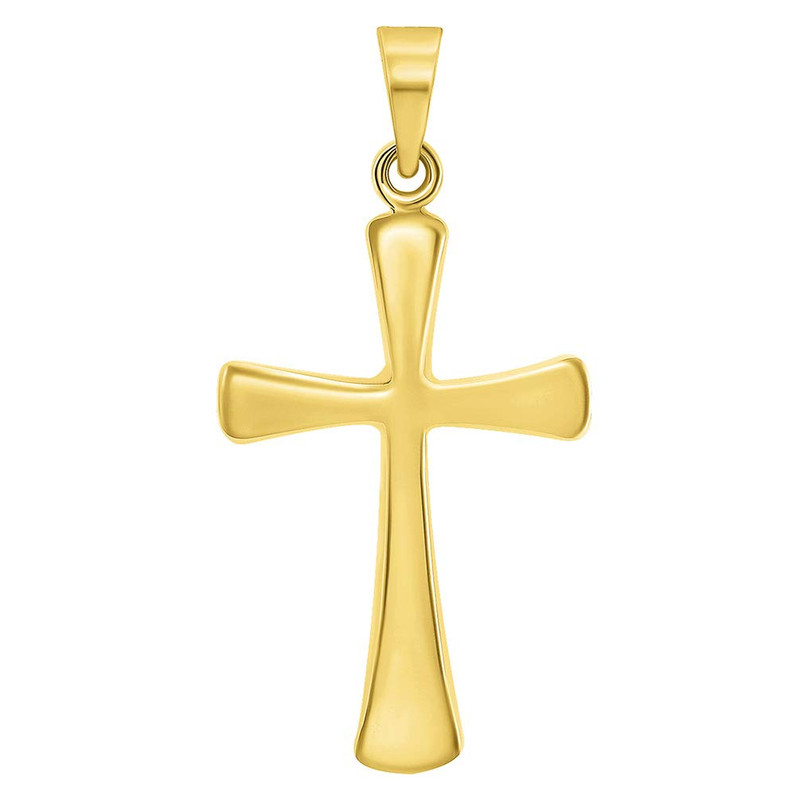
At some point, most people who genuinely love meaningful jewelry cross a threshold - a single necklace becomes several, then enough that finding a specific piece on a busy morning turns into actual searching. If you've reached that point with a collection that includes cross necklaces, tree of life pieces, and other symbolic jewelry, this is a practical look at how to actually organize it so pieces stay protected, easy to find, and in good condition.
Why Symbolic Jewelry Collections Need Different Organization Than Everyday Pieces
Unlike costume jewelry or purely decorative accessories, a collection built around meaningful pieces - gold cross necklaces, family heirlooms, gifts tied to specific occasions - benefits from organization that reflects that significance, not just generic storage convenience. Losing track of which piece was a confirmation gift versus a self-purchase, or forgetting the story behind a specific pendant, diminishes some of what makes the collection meaningful in the first place.
Starting With an Honest Inventory
Before organizing anything physically, it helps to actually catalog what you have. This doesn't need to be elaborate - a simple list or even photos on your phone works fine - but knowing exactly what's in your collection prevents both duplicate purchases and the quiet loss of pieces that simply get buried and forgotten.
For each piece, it's worth noting:
-
What it is and its approximate size or key design details
-
Where it came from and any meaningful story attached
-
Its karat weight and whether it's solid gold, if known
-
Roughly how often you actually wear it
This last point often reveals something useful - pieces you assumed were in regular rotation sometimes turn out to be worn far less than you'd think, which can inform future organization and even future purchasing decisions.
Separating by Metal Type First
The most practical first-level sorting principle for any jewelry collection is separating by metal type, since different metals can scratch or tarnish each other if stored together carelessly. Keep yellow gold, white gold, and any silver pieces in distinct sections, even within the same overall storage system, preventing the kind of surface scratching that happens when harder and softer metals rub against each other in storage.
Organizing Within Gold Pieces by Frequency of Wear
Within your gold jewelry specifically, a useful secondary organization principle separates pieces by how often you actually wear them:
Daily rotation pieces - a gold cross chain or other piece you wear most days - deserve the most accessible storage location, somewhere you can grab it without digging through less frequently worn items.
Occasional pieces - jewelry worn for specific occasions or moods - can go in slightly less immediately accessible storage, since the extra few seconds to locate them doesn't meaningfully disrupt your routine the way it would for daily pieces.
Sentimental or rarely worn pieces - inherited jewelry, pieces tied to a specific past occasion you don't wear regularly - warrant particularly careful, protective storage, since these often carry more irreplaceable significance despite less frequent handling.
Chain Storage: Solving the Tangling Problem
Tangled chains represent one of the most common sources of jewelry frustration, and a few practical approaches genuinely solve this:
-
Hanging storage for chains, using hooks or a dedicated jewelry stand, prevents the coiling that leads to tangles in the first place
-
Individual small pouches or compartments for chains that must be stored flat, keeping each piece separated from others rather than piled together
-
Clasping the necklace through a straw or small tube before storing flat is a simple, low-cost trick that keeps chains from twisting around themselves during storage
Protecting Pieces With Fine Detailing
Pieces with more delicate detailing - a necklace life tree design with fine branch work, or an enamel evil eye piece - benefit from more protective, individual storage than simpler geometric pieces might need. Small soft pouches or lined compartments prevent the kind of contact damage that can bend fine detailing or scratch enamel surfaces when pieces jostle against each other in shared storage.
Building a System That Preserves the Stories Behind Pieces
Beyond physical organization, it's worth considering how to preserve the context and stories behind meaningful pieces, since this information tends to fade from memory faster than people expect, especially for pieces acquired years apart from each other.
A simple approach: keep a small note, digital or physical, alongside your inventory list, briefly recording where each significant piece came from and why it matters. This becomes considerably more valuable over time, both for your own memory and for eventually passing pieces down with their full context intact rather than losing that story to time.
Organizing for Travel
If you travel with jewelry regularly, a separate travel organization system helps prevent both loss and damage during transit:
-
A dedicated small travel jewelry case, ideally with individual compartments, rather than tossing pieces loose into a toiletry bag
-
Bringing only what you genuinely plan to wear during the trip, rather than an entire collection "just in case"
-
Photographing pieces before travel, providing documentation useful if anything is ever lost or requires an insurance claim
Periodic Collection Review
Setting a periodic reminder - perhaps twice a year - to actually go through your full collection helps catch issues before they become bigger problems: a clasp that's started feeling loose, a chain showing early signs of wear, a piece you haven't worn in over a year that might be worth either wearing more intentionally or considering whether it still belongs in active rotation.
This periodic review also offers a natural opportunity to update your inventory list, ensuring it stays accurate as your collection continues to grow or shift over time.
When to Invest in Better Storage
If your collection has grown enough that basic storage - a drawer, a simple box - no longer adequately protects or organizes your pieces, it's worth investing in a proper jewelry organizer with individual compartments, hooks for chains, and separate sections for different metal types and piece categories. This investment pays for itself in reduced tangling, scratching, and the general frustration of searching for a specific piece among a disorganized pile.
Final Thoughts
A growing collection of meaningful gold jewelry deserves organization that matches its actual significance - not just generic storage, but a system that protects pieces physically while also preserving the stories and context that make them worth having in the first place. Taking the time to inventory, sort thoughtfully by metal and frequency of wear, and protect delicate pieces appropriately turns a potentially chaotic jumble into a genuinely well-cared-for collection, one where every piece stays both physically protected and easy to actually find and wear
