Optimizing Last-Mile Logistics for Building Material Distribution
Author : Shawn Fisher | Published On : 28 Jul 2026
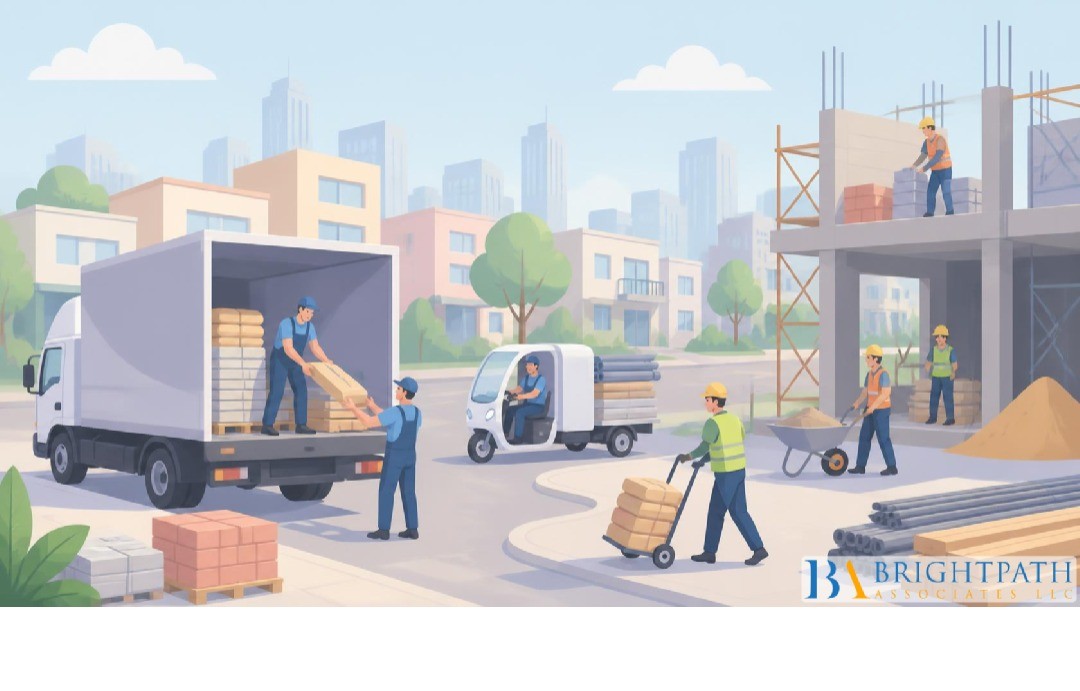
The building materials industry has always relied on efficient logistics to keep construction projects moving on schedule. Whether supplying cement, lumber, roofing materials, insulation, steel products, drywall, flooring, or prefabricated components, distributors must ensure that materials arrive at the right location, at the right time, and in the right condition. Unlike many other industries, delays in building material deliveries can halt entire construction projects, increase labour costs, and damage long-term customer relationships. As infrastructure investments continue to grow and customer expectations become more demanding, optimizing last-mile logistics has become one of the most effective ways for small and mid-sized building material companies to strengthen operational performance and gain a competitive advantage. Industry experts consistently identify the last mile as one of the most expensive and operationally challenging parts of the supply chain, making it a critical area for continuous improvement.
Last-mile logistics refers to the final stage of the delivery journey—from the distribution centre or warehouse to the construction site, contractor, retailer, or end customer. While this stage may cover the shortest distance, it often accounts for the highest transportation costs due to traffic congestion, multiple delivery stops, changing job-site conditions, specialised handling requirements, and narrow delivery windows. For building material suppliers, these challenges are amplified because products are often heavy, oversized, fragile, or require specialised unloading equipment.
One of the most effective ways to improve last-mile efficiency is through strategic distribution network design. Instead of relying on a single central warehouse, many successful distributors establish regional distribution hubs closer to major construction markets. Positioning inventory near high-demand locations reduces transportation distances, shortens delivery times, lowers fuel costs, and enables companies to respond more quickly to urgent customer requests. Warehouse location decisions frequently have a greater long-term impact on logistics performance than simply improving vehicle routes.
Route optimisation technology has become another essential component of modern logistics. Traditional dispatch planning often depends on static delivery schedules and manual coordination, making it difficult to adapt when traffic conditions change or customer priorities shift. Intelligent routing software uses real-time traffic information, vehicle capacity, delivery priorities, weather conditions, and driver availability to create the most efficient routes. Dynamic route optimisation helps reduce fuel consumption, improve on-time deliveries, maximise fleet utilisation, and minimise unnecessary mileage while increasing customer satisfaction.
Real-time shipment visibility also plays a vital role in successful building material distribution. Construction projects often involve multiple contractors working within tightly coordinated schedules. When deliveries arrive late or unexpectedly, productivity suffers. GPS tracking, live delivery updates, electronic proof of delivery, and automated notifications improve communication between suppliers, contractors, project managers, and customers. Enhanced visibility enables logistics teams to respond immediately when disruptions occur while giving customers greater confidence in delivery timelines.
Demand forecasting further strengthens last-mile performance by ensuring inventory is positioned where it will be needed most. Construction activity is influenced by seasonal trends, regional economic growth, infrastructure investment, weather conditions, and local development projects. Advanced forecasting tools powered by artificial intelligence and predictive analytics allow distributors to anticipate demand more accurately. Better forecasting reduces emergency shipments, prevents stock shortages, improves warehouse utilisation, and lowers overall transportation costs by aligning inventory with anticipated market demand.
Digital transformation is rapidly changing logistics operations across the building materials sector. Cloud-based transportation management systems, warehouse management software, Internet of Things (IoT) sensors, predictive analytics, and automated scheduling platforms provide organisations with greater operational visibility. Managers can monitor fleet performance, optimise delivery schedules, identify bottlenecks, and continuously improve logistics efficiency using real-time operational data. These technologies also support better collaboration between procurement, warehouse operations, transportation teams, and customer service departments.
Another important consideration is fleet management. Building material deliveries often require specialised vehicles capable of transporting heavy loads, oversized products, or fragile materials safely. Preventive maintenance programmes, telematics systems, fuel monitoring, and driver performance analytics help improve fleet reliability while reducing unexpected breakdowns. Reliable equipment ensures deliveries remain on schedule while reducing maintenance costs and extending vehicle lifespan.
Safety remains a top priority throughout last-mile operations. Delivering construction materials frequently involves active job sites with changing conditions, limited unloading space, and heavy machinery operating nearby. Comprehensive driver training, standardised unloading procedures, digital safety checklists, and clear communication between logistics teams and construction personnel reduce workplace risks while protecting both employees and customers. Companies that integrate safety into their logistics strategy often experience fewer accidents, lower insurance costs, and stronger customer relationships.
Sustainability is becoming increasingly important within construction supply chains. Many contractors, developers, and government agencies now evaluate suppliers based on their environmental performance alongside price and product quality. Efficient routing, reduced fuel consumption, electric delivery vehicles where practical, consolidated shipments, recyclable packaging, and optimised warehouse operations help reduce carbon emissions while lowering operating expenses. Recent industry research also highlights how supplier-led distribution and integrated warehousing can significantly improve transportation efficiency while supporting sustainability objectives.
Strong collaboration across the supply chain further improves logistics performance. Manufacturers, distributors, carriers, contractors, suppliers, and project managers all benefit when operational information is shared effectively. Coordinated scheduling, shared inventory visibility, integrated planning, and proactive communication reduce delivery conflicts while improving resource utilisation. Cross-functional collaboration creates more resilient supply chains that can respond quickly to unexpected disruptions, material shortages, or changing customer requirements.
Technology alone, however, cannot deliver lasting competitive advantage without skilled professionals. Successful building material distributors depend on experienced logistics managers, supply chain directors, warehouse supervisors, fleet managers, operations executives, transportation planners, procurement specialists, and customer service leaders. As supply chains become increasingly digital and customer expectations continue evolving, attracting professionals who combine logistics expertise with operational leadership has become essential for sustainable business growth.
Companies looking to strengthen their workforce with experienced professionals can explore BrightPath Associates' specialised recruitment expertise for the Building Materials Industry. BrightPath Associates helps small and mid-sized building materials companies identify and recruit professionals who understand the operational, technical, and leadership challenges shaping today's construction supply chains.
Leadership commitment also plays a decisive role in successful logistics transformation. Organisations that encourage continuous improvement, embrace digital innovation, invest in employee development, and use data-driven decision-making consistently outperform competitors that rely on traditional distribution models. Last-mile logistics should be viewed as a strategic capability that directly influences profitability, customer satisfaction, and long-term business resilience rather than simply a transportation function.
For additional insights into improving logistics performance, operational efficiency, and customer satisfaction, explore BrightPath Associates' blog, Last-Mile Logistics for Building Material Distribution. As construction activity continues evolving and customer expectations rise, companies that modernise their last-mile logistics capabilities will be better positioned to deliver reliable service, reduce operating costs, and build lasting customer relationships.
