Optimizing Industrial Processes Through Automation
Author : Jimmy Patel | Published On : 10 Jun 2026
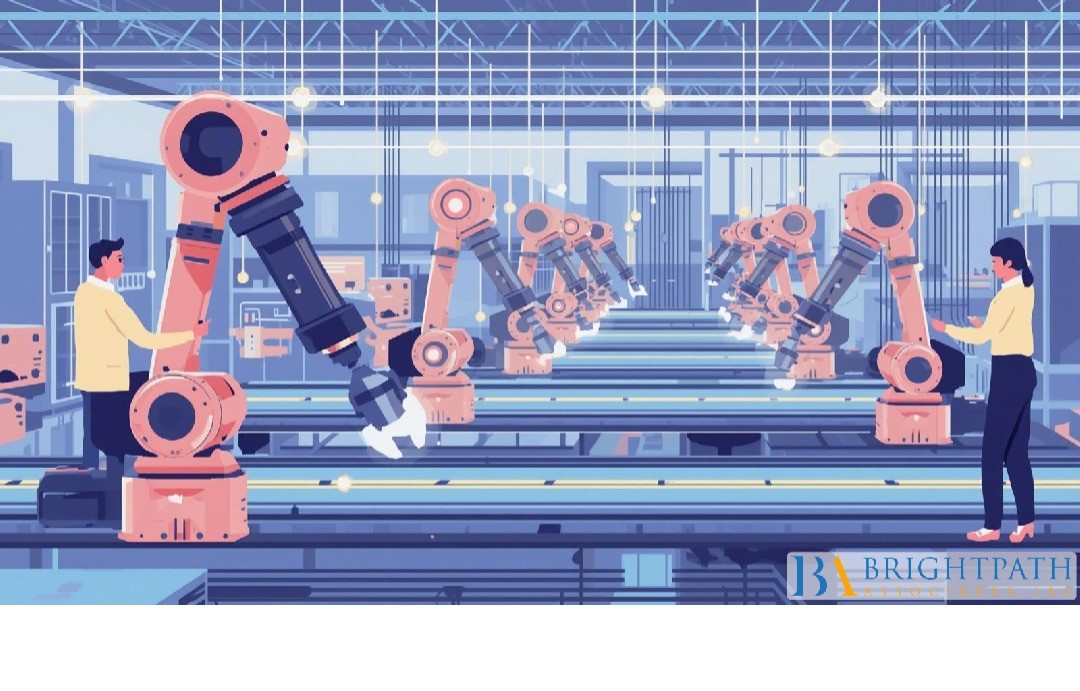
Manufacturers and industrial organizations have entered an era where efficiency is no longer a competitive advantage—it's an expectation. Rising operational costs, labor shortages, supply chain disruptions, and increasing customer demands are forcing businesses to rethink how they manage production. The question is no longer whether organizations should embrace automation, but how they can leverage it strategically to optimize industrial processes while creating sustainable long-term value.
Industrial automation has evolved far beyond replacing repetitive manual tasks. Today's automation technologies are redefining how organizations monitor operations, make decisions, allocate resources, and respond to changing market conditions. From intelligent robotics and connected sensors to predictive analytics and real-time process monitoring, automation has become a powerful catalyst for operational transformation.
At its core, optimizing industrial processes through automation is about improving consistency, reducing inefficiencies, and enhancing agility. Traditional manufacturing environments often rely on fragmented systems, manual interventions, and reactive decision-making. While these approaches may have supported growth in the past, they frequently struggle to meet the demands of modern industrial environments where speed, precision, and adaptability are critical.
One of the most immediate benefits of automation is increased productivity. Automated systems can operate continuously without the limitations associated with human fatigue, shift changes, or repetitive task variability. Production lines become more efficient, throughput improves, and organizations gain the ability to meet growing customer demands without proportionally increasing labor costs.
More importantly, automation improves consistency. Human error remains one of the leading causes of quality defects and operational disruptions. Automated systems execute predefined tasks with remarkable precision, ensuring products consistently meet specifications and reducing costly rework. Organizations adopting automation frequently experience improvements in product quality alongside reductions in waste and production variability. Industry experts continue to emphasize that automation enhances efficiency, increases production speed, and strengthens quality performance across manufacturing environments.
Modern industrial environments generate enormous volumes of operational data. Sensors embedded throughout production lines capture information related to machine performance, cycle times, temperatures, pressures, energy consumption, and material flow. Historically, much of this information remained underutilized or inaccessible to decision-makers. Today, connected systems transform these data streams into actionable insights.
Real-time monitoring allows leaders to identify bottlenecks before they escalate into larger problems. Supervisors gain immediate visibility into process performance, enabling faster responses to anomalies and more informed operational decisions. Instead of reacting after disruptions occur, organizations can intervene proactively to maintain efficiency and minimize downtime.
Predictive maintenance represents another significant advancement enabled by automation. Equipment failures have long been among the most costly operational challenges facing manufacturers. Unexpected breakdowns interrupt production schedules, increase maintenance expenses, and impact customer commitments.
Automation technologies integrated with predictive analytics can detect subtle indicators of equipment degradation long before catastrophic failures occur. By monitoring vibration patterns, temperature fluctuations, and performance trends, organizations can schedule maintenance activities based on actual equipment conditions rather than arbitrary timelines. This approach reduces unplanned downtime while extending asset life and improving maintenance efficiency.
Automation also contributes significantly to workplace safety.
Industrial environments often expose employees to hazardous conditions, repetitive tasks, and physically demanding activities. Robotics and automated systems increasingly assume responsibility for dangerous operations involving extreme temperatures, heavy lifting, toxic substances, and high-risk production environments. Removing employees from these situations not only reduces workplace injuries but also enhances morale and strengthens organizational commitment to employee well-being.
Energy consumption, material waste, and inefficient production practices directly impact financial performance and environmental outcomes. Intelligent automation enables organizations to optimize resource utilization through precise control mechanisms and continuous process adjustments. Smart systems identify opportunities to reduce waste, improve energy efficiency, and maximize output from available inputs. Modern automation solutions increasingly support environmental stewardship while strengthening cost competitiveness.
Many organizations underestimate the importance of workforce readiness and change management. Employees may view automation with uncertainty, particularly if communication is limited or implementation strategies lack transparency. Leaders must emphasize that automation is not simply about replacing people; it is about empowering them to focus on higher-value activities requiring creativity, critical thinking, and strategic judgment.
Upskilling and reskilling initiatives therefore become essential components of digital transformation efforts. Technicians, engineers, operators, and managers increasingly require new competencies related to data interpretation, system optimization, and cross-functional collaboration. Organizations that invest in employee development often achieve stronger adoption rates and maximize returns from automation investments.
Industrial automation initiatives intersect with operations, finance, engineering, information technology, human resources, and strategic planning. Executives must align these functions around shared objectives while balancing innovation with execution. They must evaluate risks thoughtfully, prioritize investments effectively, and foster cultures capable of adapting to change.
This leadership imperative has intensified competition for specialized talent across the industrial automation sector. Organizations increasingly seek executives who understand emerging technologies while possessing the operational expertise necessary to translate innovation into measurable business outcomes.
For businesses navigating these evolving workforce demands, industry-specific talent expertise can provide a meaningful advantage. BrightPath Associates delivers executive recruitment solutions tailored specifically to the Industrial Automation Industry, helping small and mid-sized enterprises identify leaders capable of accelerating transformation, strengthening operational performance, and preparing organizations for future growth.
Ultimately, optimizing industrial processes through automation is not about implementing technology for technology's sake. It is about creating resilient, intelligent operations capable of thriving amid uncertainty. Organizations that approach automation strategically—aligning technology, people, and business objectives—are better positioned to improve productivity, enhance quality, strengthen safety, and drive sustainable competitive advantage.
As industrial environments continue to evolve, automation will increasingly define how organizations compete, innovate, and grow. The businesses that succeed will be those willing to move beyond incremental improvements and embrace a broader vision of operational excellence powered by intelligent systems and capable leadership.
For readers interested in exploring additional perspectives on this topic, BrightPath Associates' original article, Optimizing Industrial Processes Through Automation, offers further insights into the strategies shaping the future of industrial performance.
As your organization evaluates its automation journey, consider these questions: Are your current processes designed for yesterday's challenges or tomorrow's opportunities? How prepared is your workforce to thrive alongside emerging technologies? And does your leadership team possess the vision necessary to transform automation investments into lasting competitive advantage?
We invite you to share your experiences, perspectives, and lessons learned in the comments below. What automation initiatives have delivered the greatest impact within your organization? What barriers continue to hinder progress? The conversations we start today may inspire the innovations that shape the future of industrial automation tomorrow.
