Optimizing Fiber Yields: A Blueprint for Smaller Pulp Producers
Author : Kabir Pathan | Published On : 28 Jul 2026
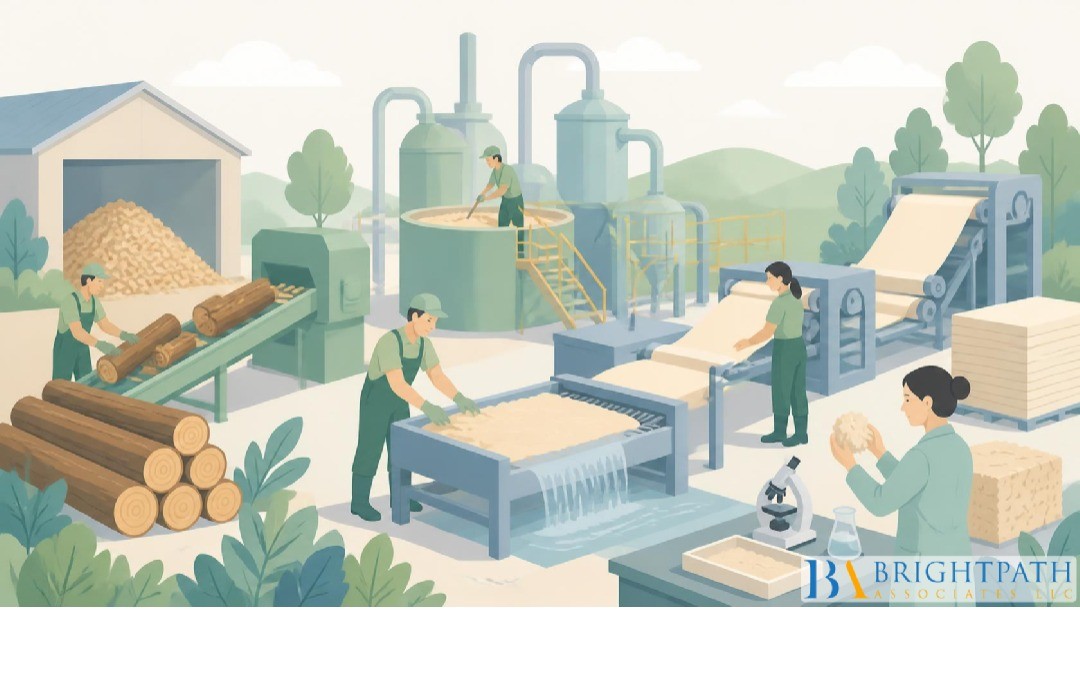
The pulp and paper industry is evolving rapidly as manufacturers face rising raw material costs, increasing sustainability expectations, fluctuating demand, and greater competitive pressure. For small and mid-sized pulp producers, maximizing fiber yield has become one of the most effective ways to improve profitability without significantly increasing production capacity or capital expenditure. Every percentage point of additional fiber recovered from raw materials can translate into meaningful cost savings, better resource utilization, and stronger environmental performance. As the industry continues embracing operational excellence and digital innovation, optimizing fiber yields is no longer simply a production objective—it has become a strategic business advantage.
Fiber represents one of the largest operating costs for pulp producers. Whether processing hardwood, softwood, recycled paper, or mixed fiber sources, maximizing the amount of usable pulp extracted from every tonne of raw material directly impacts production economics. Traditional optimization efforts often focused on increasing throughput, but today's competitive environment demands a more balanced approach that simultaneously improves yield, quality, energy efficiency, and sustainability. Leading organizations are increasingly using integrated operational strategies, advanced analytics, and cross-functional optimization to improve overall mill performance rather than treating each production stage independently.
One of the most important steps in improving fiber yield begins with raw material selection. Not all fiber sources deliver identical performance characteristics, and selecting the appropriate wood species or recycled fiber mix significantly influences production efficiency and final product quality. Evaluating fiber length, moisture content, density, contamination levels, and wood quality enables producers to optimize raw material utilization while reducing waste throughout the manufacturing process. Strategic sourcing decisions improve both production consistency and long-term cost competitiveness. Recent industry research also highlights that smarter fiber selection affects not only procurement costs but also production efficiency and product quality.
Process optimization throughout the pulping operation plays an equally significant role. Cooking conditions, chemical usage, refining intensity, washing efficiency, and bleaching processes all influence overall fiber recovery. Small adjustments to process parameters can produce measurable improvements in yield while maintaining desired pulp characteristics. Continuous monitoring of key production variables enables operators to identify inefficiencies before they become significant operational issues. Modern pulp mills increasingly utilize online process monitoring and fiber analysis technologies to improve quality consistency while maximizing usable fiber recovery.
Digital transformation is becoming a major catalyst for yield optimization across the pulp and paper sector. Advanced sensors, Industrial Internet of Things (IIoT) platforms, machine learning algorithms, and predictive analytics provide real-time visibility into production performance. Instead of relying solely on periodic laboratory testing, manufacturers can continuously monitor fiber characteristics, equipment performance, energy consumption, and process stability throughout production. These technologies allow production teams to make immediate adjustments that improve fiber utilization while reducing variability and minimizing waste. Industry studies show that digital optimisation can generate yield improvements alongside significant gains in productivity and resource efficiency.
Equipment reliability is another critical factor influencing fiber yields. Worn refining equipment, inefficient screening systems, poorly maintained digesters, or inconsistent chemical dosing can reduce fiber recovery while increasing production costs. Preventive and predictive maintenance programs help ensure equipment consistently operates within optimal performance ranges. Rather than reacting to unexpected breakdowns, maintenance teams can schedule servicing based on equipment condition, minimizing downtime while protecting production efficiency. Reliable equipment not only improves output but also helps maintain consistent fiber quality throughout the manufacturing process.
Energy management is closely connected to fiber optimization as well. Refining, pulping, screening, and drying operations consume substantial amounts of energy. Poorly optimized refining processes may damage fibers through excessive treatment while simultaneously increasing electricity consumption. Optimizing refining intensity, monitoring process conditions, and maintaining equipment efficiency allow producers to preserve fiber quality while reducing operational costs. Industry best practices demonstrate that optimized refining improves both energy efficiency and overall paper quality.
Recycled fiber utilization presents another opportunity for smaller pulp producers seeking improved resource efficiency. Growing demand for sustainable packaging and recycled paper products has increased reliance on recovered fibers. However, recycled materials vary significantly in quality depending on paper grade, contamination levels, fillers, and previous processing cycles. Careful evaluation of recovered fiber characteristics allows manufacturers to balance sustainability objectives with production performance. Research into repulpability and fiber properties continues providing valuable insights that help manufacturers maximize recovered fiber utilization while maintaining product quality.
Operational collaboration also contributes significantly to higher yields. Fiber optimization should not remain solely the responsibility of production teams. Procurement specialists, quality assurance professionals, maintenance engineers, environmental managers, and operations leaders all influence production performance. Cross-functional collaboration enables organizations to identify opportunities that improve fiber utilization across the entire value chain rather than optimizing isolated production stages. Companies embracing integrated operational strategies often discover improvements that reduce costs while strengthening overall business resilience.
Sustainability objectives further reinforce the importance of maximizing fiber recovery. Higher yields reduce raw material consumption, minimize waste generation, decrease transportation requirements, and improve resource efficiency. As customers increasingly prioritize environmentally responsible suppliers, efficient fiber utilization strengthens both environmental performance and market competitiveness. Organizations capable of producing more output from fewer natural resources demonstrate stronger ESG performance while supporting responsible forestry and circular economy initiatives.
Workforce expertise remains one of the most valuable assets supporting successful optimization efforts. Modern pulp production increasingly combines traditional manufacturing knowledge with digital technologies, process engineering, automation, and data analytics. Skilled process engineers, production managers, maintenance specialists, automation professionals, quality engineers, and operations leaders help organizations identify opportunities for continuous improvement while ensuring operational stability. As technological capabilities continue expanding, attracting experienced professionals becomes essential for organizations seeking long-term competitiveness.
Businesses looking to strengthen their technical and leadership teams within the pulp and paper sector can explore BrightPath Associates' specialized recruitment expertise for the Paper & Forest Products Industry. Building high-performing teams with industry-specific expertise enables manufacturers to successfully implement operational improvements while preparing for future industry challenges.
Long-term competitiveness will increasingly depend on how effectively smaller pulp producers integrate operational excellence, digital technologies, sustainable practices, and workforce development into their business strategies. Companies that continuously improve fiber yields while maintaining product quality, reducing costs, and minimizing environmental impact will be better positioned to thrive despite evolving market conditions. Optimization is no longer about producing more—it is about producing smarter.
For additional insights into practical strategies that help smaller manufacturers maximize production efficiency, explore BrightPath Associates' blog, Optimizing Fiber Yields for Smaller Pulp Producers. Ultimately, maximizing fiber yield is not simply a manufacturing objective—it is a comprehensive business strategy that strengthens profitability, sustainability, and long-term resilience.
