Optimizing Farm Automation: A C-Suite Guide
Author : Alex Turner | Published On : 30 Apr 2026
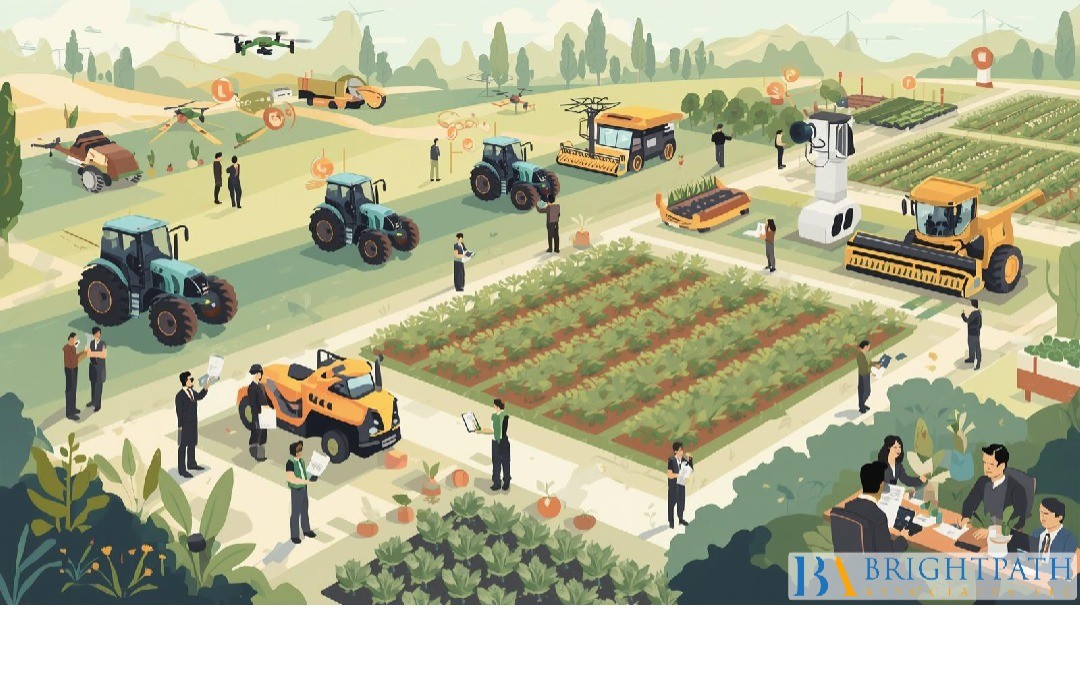
In today’s rapidly evolving agricultural landscape, farm automation is no longer a futuristic concept—it is a strategic necessity. For small to mid-sized farming enterprises across the United States, automation is redefining how operations are managed, how resources are utilized, and how profitability is achieved. With rising labor shortages, increasing operational costs, and growing pressure for sustainable practices, C-suite leaders must ask a critical question: Is your organization leveraging automation to its full potential—or falling behind competitors who are?
Farm automation refers to the use of advanced technologies such as robotics, sensors, artificial intelligence, and data analytics to perform agricultural tasks that were traditionally manual. From automated irrigation systems and autonomous tractors to drone-based crop monitoring, these technologies are transforming every stage of the agricultural value chain. According to industry insights, automation helps streamline operations, reduce human error, and improve decision-making through real-time data analysis.
The impact of automation on productivity is profound. By automating repetitive and labor-intensive tasks, farms can significantly increase efficiency and output while reducing reliance on manual labor. This is particularly important in an industry facing ongoing workforce shortages. Automation enables operations to run continuously with precision, ensuring that critical tasks such as planting, irrigation, and harvesting are performed at optimal times. As a result, organizations can achieve higher yields while maintaining consistency in quality.
Cost optimization is another major advantage of farm automation. While the initial investment in technology may seem substantial, the long-term financial benefits are compelling. Automation reduces labor costs, minimizes resource wastage, and enhances operational efficiency. For example, smart irrigation systems can optimize water usage, while precision farming technologies ensure that fertilizers and pesticides are applied only where needed. This targeted approach not only lowers costs but also improves sustainability outcomes.
Beyond cost savings, automation plays a critical role in improving resource management. Advanced technologies such as sensors and AI-driven analytics allow farmers to monitor soil conditions, weather patterns, and crop health in real time. This enables data-driven decision-making, ensuring that resources are used efficiently and effectively. Precision agriculture, powered by automation, allows organizations to maximize output while minimizing environmental impact—an increasingly important factor for businesses aiming to meet sustainability goals.
However, optimizing farm automation is not without its challenges. One of the primary barriers is the high upfront cost of implementing advanced technologies. Small to mid-sized enterprises, in particular, may struggle to justify these investments without a clear return on investment strategy. Additionally, the complexity of integrating new technologies into existing systems can create operational disruptions if not managed properly. Organizations must also address the skills gap, as automation requires a workforce with expertise in data analytics, robotics, and digital systems.
This is where leadership strategy becomes critical. Successful automation is not just about adopting new technologies—it’s about aligning those technologies with business objectives. C-suite leaders must take a holistic approach, ensuring that automation initiatives are integrated into the broader organizational strategy. This includes evaluating current processes, identifying areas for improvement, and implementing technologies that deliver measurable value.
Equally important is the role of talent in driving automation success. The shift toward automated farming requires a new generation of skilled professionals who can manage and optimize these advanced systems. From agritech specialists and data analysts to operations leaders and sustainability experts, the demand for specialized talent is growing rapidly. Organizations that fail to attract and retain this talent risk falling behind in an increasingly competitive market.
Partnering with experienced executive recruitment firms like BrightPath Associates LLC can provide a significant advantage. By connecting businesses with industry-specific talent, these partnerships enable organizations to build high-performing teams capable of navigating the complexities of modern agriculture. Strategic hiring ensures that companies are not only adopting automation but also maximizing its potential for long-term success.
Another key aspect of optimizing farm automation is scalability. As businesses grow, their automation strategies must evolve to support increased production and complexity. Scalable solutions allow organizations to expand operations without compromising efficiency or quality. This requires careful planning, continuous evaluation, and a commitment to innovation. Companies that prioritize scalability are better positioned to adapt to changing market conditions and capitalize on new opportunities.
Sustainability is also at the forefront of farm automation strategies. With increasing pressure to reduce environmental impact, automation provides a pathway to more sustainable farming practices. By optimizing resource usage and reducing waste, automated systems contribute to lower carbon emissions and improved environmental outcomes. This not only benefits the planet but also enhances brand reputation and aligns with consumer expectations for responsible business practices.
For organizations looking to stay ahead in the farming industry, understanding these trends and strategies is essential. At the same time, gaining a deeper understanding of how to implement and optimize automation strategies can provide a competitive edge. For a comprehensive guide, visit the original article: Optimizing Farm Automation.
Ultimately, optimizing farm automation is not just about technology—it’s about transformation. It’s about rethinking how farms operate, how decisions are made, and how value is created. Organizations that embrace automation as a strategic priority will be better equipped to navigate the challenges of the modern agricultural landscape and drive sustainable growth.
So, the question is—how prepared is your organization to embrace the future of farming? Are you leveraging automation to its full potential, or are inefficiencies holding you back from achieving your goals?
Now is the time to act. Connect with BrightPath Associates LLC to build the talent and leadership your organization needs to successfully implement farm automation and achieve long-term success. What challenges are you currently facing in adopting automation in your farming operations?
