Optimizing Energy Procurement For Your Growing Business
Author : Seenra Energ | Published On : 16 Nov 2026
Corporate managers face mounting pressure to control operational overhead expenses every single quarter. Utility invoices often arrive with unexpected totals that disrupt careful financial planning. Evaluating alternative suppliers through a structured switch commercial electricity supplier process helps stabilize overhead costs. Energy markets fluctuate daily based on regional demand and wholesale supply shifts. Taking proactive control over power supply agreements protects corporate operating margins from sudden spikes.
Assessing Current Facility Power Consumption
Organizations must analyze historical utility billing data before evaluating new energy supply agreements. Facility managers review past kilowatt hour usage patterns to identify peak consumption hours during operating days. commercial energy procurement services provide deep analytical insights to streamline this complex evaluation phase. Understanding exact load profiles ensures companies select contract structures that match real operational needs without paying for unused capacity or hidden penalty fees.
Evaluating Fixed Versus Variable Contracts
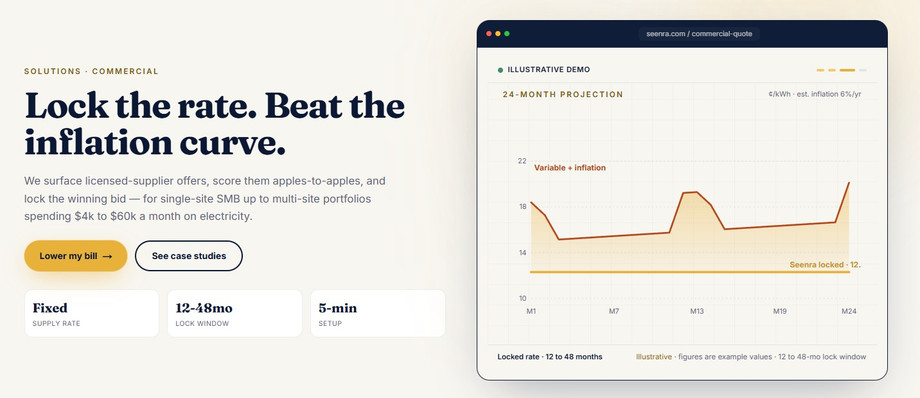
Selecting the right pricing structure determines whether utility expenses remain predictable throughout the year. Fixed supply agreements lock in precise rates for extended periods, shielding budgets from market volatility. Variable plans track daily wholesale market pricing, which can lower costs during mild weather months. Companies must weigh their risk tolerance carefully before committing to multi year vendor contracts. Strategic choices protect operational cash flow from unexpected seasonal commodity shocks.
Negotiating Terms With Alternative Providers
Competitive energy markets feature numerous independent suppliers offering specialized commercial supply contracts. Procurement teams should request detailed proposals from multiple vendors to secure favorable pricing tiers. Reviewing administrative fees, ancillary charges, and early termination clauses prevents unpleasant financial surprises later. Clear communication during contract negotiations builds strong working relationships between corporate buyers and energy marketers. Diligent vetting ensures long term savings for your enterprise.
Implementing Smart Energy Efficiency Measures
Lowering total electricity expenditures requires combining smart supply contracts with proactive facility management practices. Upgrading aging lighting fixtures, sealing drafty windows, and maintaining HVAC units reduces overall kilowatt usage. Smart thermostats adjust building temperatures during unoccupied night hours automatically, saving substantial energy over time. Reducing total volume demand lowers monthly utility bills regardless of broader regional commodity price fluctuations.
Timing Your Market Entry Strategy
Entering new energy supply contracts at optimal times during the calendar year maximizes potential cost savings. Wholesale electricity prices typically dip during shoulder months when regional heating and cooling demands remain minimal. Waiting until mid summer or deep winter usually forces companies into expensive agreements due to strained grid capacity. Careful calendar planning eliminates seasonal panic and secures favorable pricing terms long before old contracts expire.
Leveraging Regulatory Compliance Protections
Commercial electricity accounts benefit greatly from understanding state compliance standards and consumer protection rules. Public utilities commissions establish clear guidelines regarding billing transparency, dispute resolutions, and contract transfer procedures. Staying informed about regional regulatory updates prevents organizations from encountering unexpected penalties or abrupt supplier switches. Maintaining open communication with regulatory bodies ensures corporate buyers retain full advocacy rights throughout active operational agreements.
Conclusion
Managing corporate utility expenses requires diligent oversight of recurring energy costs and market pricing trends. Implementing sound procurement strategies gives regional businesses better financial predictability throughout every operating cycle. Seenra.com offers helpful insights for corporate managers wanting to navigate industrial energy markets successfully. Making informed decisions today secures a stable financial foundation for your enterprise tomorrow.
