Optimizing Delivery Costs: Real-Time Data Strategies
Author : Jessica Hall | Published On : 17 Jun 2026
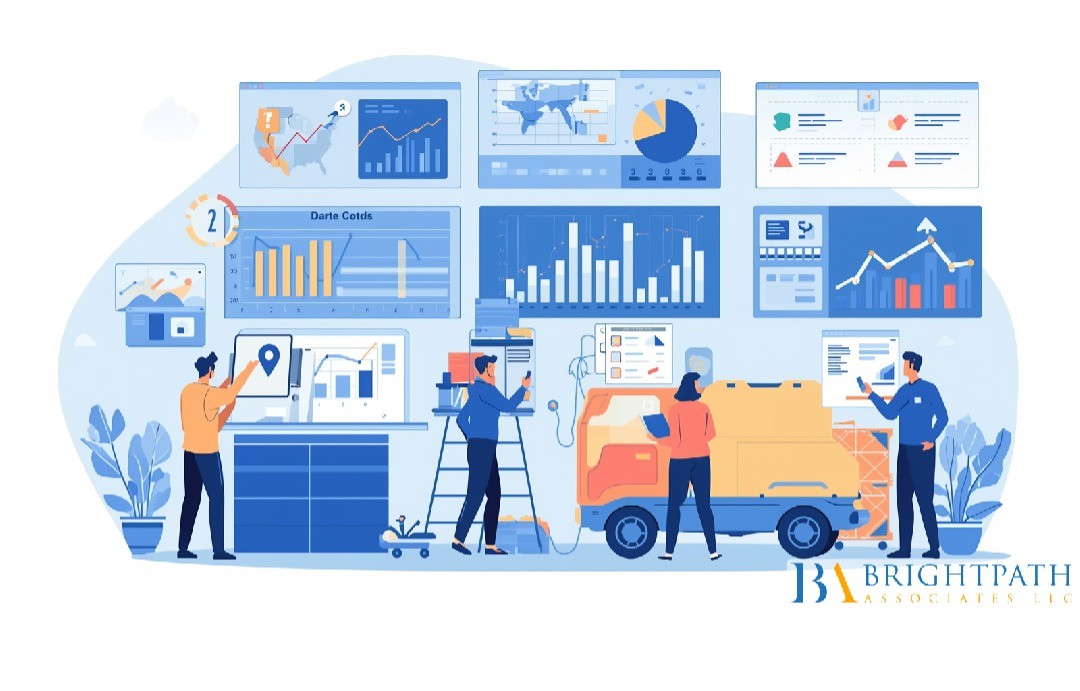
In today's highly competitive logistics environment, controlling delivery costs has become one of the most pressing challenges facing transportation, freight, and package delivery companies. Rising fuel prices, labor shortages, increasing customer expectations, and ongoing supply chain disruptions continue to place significant pressure on profit margins. At the same time, customers expect faster, more reliable, and more transparent delivery experiences than ever before.
For small to mid-sized companies operating within the freight and package delivery sector, the ability to optimize delivery costs is no longer simply an operational objective—it has become a strategic business imperative. Organizations that can effectively leverage real-time data are discovering new opportunities to improve efficiency, enhance customer satisfaction, and strengthen their competitive position in an increasingly dynamic marketplace.
Traditionally, logistics decisions were often based on historical reports, manual processes, and reactive problem-solving. While these methods provided some visibility into operations, they frequently lacked the agility required to respond to rapidly changing conditions. Traffic congestion, weather disruptions, vehicle breakdowns, fluctuating fuel costs, and unexpected delivery demands could quickly create inefficiencies that increased operational expenses and impacted service quality.
Modern logistics technologies provide organizations with immediate access to critical operational information. Through GPS tracking, telematics systems, IoT-enabled devices, transportation management platforms, and advanced analytics tools, companies can monitor vehicles, shipments, routes, and driver performance as events occur. This visibility empowers decision-makers to respond proactively rather than reactively.
One of the most significant advantages of real-time data lies in route optimization. Delivery routes that appear efficient at the start of the day may quickly become ineffective due to traffic incidents, road closures, weather events, or changing customer requirements. Real-time routing systems continuously analyze current conditions and recommend alternative routes that reduce travel time, fuel consumption, and vehicle wear.
Fuel costs remain one of the largest operating expenses for transportation organizations. By leveraging real-time data, companies can identify inefficient driving behaviors such as excessive idling, harsh braking, rapid acceleration, and unnecessary detours. Managers gain the ability to coach drivers, improve fleet performance, and reduce fuel consumption without compromising service levels.
Many organizations struggle with underutilized vehicles, inefficient load planning, and imbalanced route assignments. Real-time fleet monitoring enables logistics leaders to allocate resources more effectively, ensuring vehicles operate closer to optimal capacity while minimizing empty miles. This not only lowers transportation costs but also contributes to sustainability goals by reducing emissions and improving overall operational efficiency.
Today's customers want accurate delivery estimates, shipment visibility, and timely communication. Delayed or inaccurate information can quickly damage customer relationships and erode trust. Real-time tracking capabilities allow organizations to provide proactive updates and improve transparency throughout the delivery process.
Organizations that successfully optimize delivery costs typically adopt a broader strategic approach. They integrate real-time data into decision-making processes across multiple functions, including transportation planning, warehouse operations, inventory management, customer service, and financial forecasting.
Predictive analytics further extends the value of real-time data. By analyzing historical trends alongside current operational conditions, organizations can anticipate demand fluctuations, identify potential bottlenecks, and proactively allocate resources. This capability enables companies to make smarter decisions regarding staffing, fleet deployment, and capacity planning.
Technology investments require strategic direction, organizational alignment, and effective execution. Leaders must understand how data-driven decision-making supports broader business objectives while fostering a culture that embraces continuous improvement. As logistics operations become increasingly complex, organizations need executives capable of navigating technological change, optimizing supply chains, and driving operational excellence.
At BrightPath Associates LLC, we understand the evolving workforce and leadership demands shaping the Package & Freight Delivery Industry. We partner with small to mid-sized enterprises to identify executive leaders who can successfully guide digital transformation initiatives, improve operational performance, and position organizations for sustainable growth in an increasingly data-driven environment.
Unexpected disruptions are inevitable within transportation networks. Weather events, labor shortages, equipment failures, and geopolitical developments can quickly impact delivery schedules and operating costs. Organizations equipped with real-time visibility can respond faster, communicate more effectively, and minimize the financial impact of disruptions.
The future of freight and package delivery will undoubtedly become more connected, intelligent, and data-driven. Artificial intelligence, machine learning, predictive analytics, and automation technologies are already enhancing the value of real-time operational data. As these capabilities continue to mature, organizations that invest strategically in digital transformation will be better positioned to control costs and improve performance.
For executives seeking a deeper understanding of how data-driven logistics strategies can improve operational efficiency, BrightPath Associates' original analysis, Optimizing Delivery Costs Real-Time Data Strategies, provides additional insights into leveraging technology to reduce expenses, improve visibility, and strengthen competitive advantage.
Ultimately, optimizing delivery costs is not simply about reducing expenses. It is about creating smarter, more responsive, and more resilient operations capable of adapting to changing market conditions. Organizations that successfully harness real-time data gain the visibility needed to make better decisions, improve customer experiences, and drive long-term profitability.
