Norway Electric Car Market to Grow, Driven by Government Incentives and Zero-Emission Vehicle Demand
Author : punam patil | Published On : 17 Nov 2026
Norway Electric Car Market Overview
The Norway Electric Car Market is witnessing significant growth as the country continues to lead the global transition towards sustainable transportation. Increasing environmental awareness, supportive government policies, expanding charging infrastructure, and technological advancements in electric vehicle (EV) batteries are driving market development. Norway has established itself as one of the world's leading electric car markets through long-term investments in clean mobility and attractive incentives for electric vehicle buyers.
The market is supported by Norway's commitment to reducing carbon emissions and promoting zero-emission transportation. The availability of renewable electricity, particularly hydropower, makes electric cars an environmentally attractive alternative to conventional petrol and diesel vehicles. Government initiatives, including tax advantages, reduced road charges, toll benefits, and investments in charging infrastructure, have encouraged consumers to adopt electric vehicles.
Furthermore, increasing demand for fuel-efficient vehicles, improvements in battery performance, longer driving ranges, and the introduction of affordable electric car models are creating new opportunities. The development of fast-charging networks, battery recycling technologies, and advanced vehicle software is also expected to support long-term market expansion.
♦ Download Sample Report Here : https://www.maximizemarketresearch.com/request-sample/65503/
US Electric Car Market: Latest Trends and Investments in 2024
The United States electric car market experienced continued growth in 2024, supported by increasing consumer interest, government incentives, domestic manufacturing investments, and improvements in battery technology. Automakers are expanding their electric vehicle portfolios to meet rising demand for sustainable transportation. The EV manufacturing sector attracted substantial investment in battery production, vehicle assembly, and charging infrastructure. Federal support through the Inflation Reduction Act and Bipartisan Infrastructure Law encouraged domestic production and charging network development. These initiatives strengthened the electric vehicle supply chain and created opportunities for battery manufacturers and automotive technology companies.
Norway Electric Car Market Segmentation Analysis
The Norway Electric Car Market is segmented by technology, product, battery type, battery capacity, and end-user.
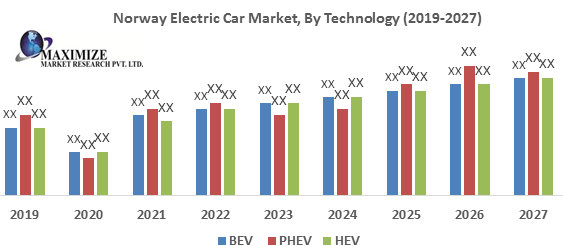
- By Technology: Battery Electric Vehicles (BEV), Plug-in Hybrid Electric Vehicles (PHEV), and Hybrid Electric Vehicles (HEV). BEVs represent the leading technology segment, supported by Norway's strong preference for fully electric transportation and extensive charging infrastructure.
- By Product: Hatchback, Sedan, SUV, and Others. SUVs represent an important product category because of their spacious interiors, driving comfort, versatility, and increasing availability in electric models.
- By Battery: Lithium Iron Phosphate (LFP), Lithium Nickel Manganese Cobalt (Li-NMC), and Others. Li-NMC batteries are important because of their high energy density and suitability for vehicles requiring longer driving ranges.
- By Battery Capacity: Above 201 Ah and Below 201 Ah. Higher-capacity batteries attract consumers seeking longer driving ranges and improved vehicle performance.
- By End-User: Shared Mobility Providers, Government Organizations, Personal Users, and Others. Personal users are a major consumer group due to increasing household adoption and government incentives.
Competitive Landscape and Top 5 Companies
The Norway Electric Car Market includes established international automotive manufacturers competing through vehicle innovation, battery development, product launches, and investments in electric mobility.
1. Tesla
Tesla is an important competitor in Norway's electric car industry, offering vehicles with advanced battery systems, software integration, and long driving ranges. Its Model Y and Model 3 have contributed to electric vehicle adoption. The company continues to develop battery efficiency, charging technology, and vehicle software to strengthen its competitive position.
2. BMW
BMW is strengthening its electric vehicle portfolio through advanced battery technology, efficient electric motors, and lightweight vehicle platforms. Its Neue Klasse development programme focuses on next-generation electric architecture, improved driving range, and charging performance. These innovations can improve the appeal of premium electric vehicles.
3. Renault
Renault is expanding its electric mobility business through its dedicated EV activities and Ampere platform. The company focuses on affordable electric vehicles, battery cost reduction, and improved vehicle efficiency. Its electric vehicle development strategy can support wider adoption among price-conscious consumers.
4. Hyundai Motor Company
Hyundai is investing in electric vehicle technology, battery development, and advanced mobility solutions. In August 2024, the company announced its Hyundai Way strategy, including plans for 21 EV models by 2030 and investment of KRW 120.5 trillion between 2024 and 2033. Its focus on affordable batteries, safety improvements, and electrification is expected to strengthen its market position.
5. Chevrolet
Chevrolet, a General Motors brand, is contributing to electric vehicle adoption through models designed for different customer requirements. The company is expanding its EV offerings and focusing on battery technology, vehicle affordability, and improved driving range. Its electric SUV portfolio can help increase consumer access to electric mobility.
Overall, these manufacturers are strengthening competition through improved battery performance, vehicle efficiency, software innovation, and wider product availability.
♦ Download Sample Report Here : https://www.maximizemarketresearch.com/request-sample/65503/
Regional Analysis
1. United States: The United States is an important electric vehicle market, supported by federal tax incentives, domestic battery manufacturing investments, and charging infrastructure development. Electric vehicle adoption is increasing as consumers shift towards sustainable transportation.
2. United Kingdom: The UK electric car market is expanding through its Zero Emission Vehicle mandate, which came into force in January 2024. Government targets, charging infrastructure investments, and growing consumer awareness are supporting electric vehicle adoption.
3. Germany: Germany is an important automotive manufacturing hub with strong capabilities in electric vehicle engineering and battery technology. Government support, automotive research, and investments in advanced manufacturing are contributing to market development.
4. France: France is promoting electric mobility through environmental incentives, vehicle manufacturing investments, and emission-reduction policies. Government support and the development of affordable electric vehicle models are contributing to market expansion.
5. Japan: Japan is gradually expanding its electric vehicle industry through investments in battery technology, automotive research, and next-generation mobility solutions. Government support for clean transportation and advanced battery development offers opportunities for future growth.
6. China: China is the world's largest electric car market, supported by government incentives, consumer demand, domestic battery manufacturing, and competitive vehicle prices. Its extensive battery production capabilities and strong automotive supply chain are further strengthening its global position.
► Get to Know More About This Market Study:https://www.maximizemarketresearch.com/market-report/norway-electric-car-market/65503/
Conclusion
The Norway Electric Car Market is expected to maintain its strong position in the global transition towards sustainable transportation. Government incentives, increasing environmental awareness, renewable electricity availability, and continuous improvements in battery technology are the major factors supporting market development. Norway's electric vehicle adoption demonstrates how consistent government policies and investments in charging infrastructure can accelerate the transition from conventional vehicles to electric mobility.
Electric vehicles accounted for approximately 88% of new passenger car sales in Norway in 2024, demonstrating the country's advanced electric mobility ecosystem.
In the coming years, opportunities in fast-charging infrastructure, high-capacity batteries, affordable electric vehicles, battery recycling, and advanced vehicle technologies are expected to create new business opportunities. Automakers focusing on innovation, competitive pricing, energy efficiency, and improved driving range will be better positioned to benefit from market growth. Overall, continued technological advancement and supportive government policies will remain essential to the long-term development of the Norway Electric Car Market.
About Maximize Market Research:
Maximize Market Research is a multifaceted market research and consulting company with professionals from several industries. Some of the industries we cover include medical devices, pharmaceutical manufacturers, science and engineering, electronic components, industrial equipment, technology and communication, cars and automobiles, chemical products and substances, general merchandise, beverages, personal care, and automated systems. To mention a few, we provide market-verified industry estimations, technical trend analysis, crucial market research, strategic advice, competition analysis, production and demand analysis, and client impact studies.
Contact Maximize Market Research:
3rd Floor, Navale IT Park, Phase 2
Pune Banglore Highway, Narhe,
Pune, Maharashtra 411041, India
+91 96071 95908, +91 9607365656
