Nicotine Strength in Vape Products: Common Questions Answered
Author : FogFathers London | Published On : 05 Nov 2026
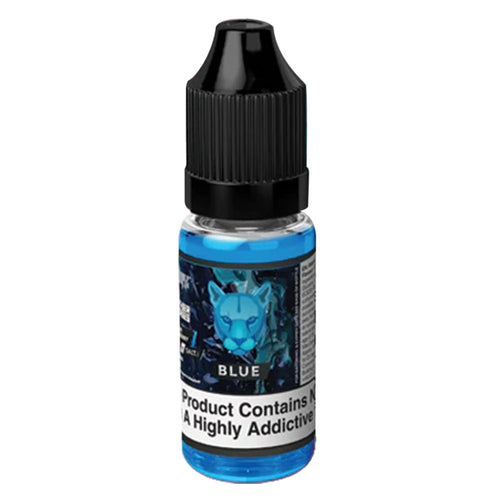
Introduction
Understanding nicotine content is important when learning about different vape products. Many products are available with different nicotine concentrations, and each one may have different features and ingredients. For people researching vape products, understanding these differences can make product information easier to read and understand.
Nicotine strength refers to the amount of nicotine present in an e-liquid. It is usually shown in milligrams per millilitre (mg/ml) or as a percentage. These measurements explain the nicotine concentration in a liquid and help people understand what is mentioned on product packaging.
There are many common questions about nicotine levels, including how they are measured, what different numbers mean, and how nicotine salts differ from freebase nicotine. People also want to understand whether nicotine-free products are completely safe.
In this guide, we will answer these common questions in simple language and explain the important things to know about nicotine content in vape products.
What Does Nicotine Strength Mean?
Nicotine strength describes the amount of nicotine contained in a specific volume of e-liquid. It is one of the main details displayed on vape product packaging.
For example, when a bottle is labelled 10mg/ml, it means that every millilitre of liquid contains 10 milligrams of nicotine. Similarly, a 20mg/ml label means that every millilitre contains 20 milligrams.
It is important to understand that this number shows the concentration of nicotine in the liquid, not the exact amount that enters the body. Nicotine absorption can depend on several factors, including the device and frequency of use.
Knowing about Nicotine strength makes it easier to understand product labels and recognise the differences between various e-liquids.
How Is Nicotine Strength Measured?
Nicotine content is usually displayed in two common formats: milligrams per millilitre and percentage. Both explain the nicotine concentration, but they use different measurements.
Milligrams Per Millilitre (mg/ml)
This measurement tells how many milligrams of nicotine are present in one millilitre of e-liquid. For example, 5mg/ml means five milligrams of nicotine in every millilitre of liquid.
Nicotine Percentage
Some products display nicotine content as a percentage. It shows the proportion of nicotine in the liquid. For example, 1% is approximately equal to 10mg/ml, while 2% is approximately equal to 20mg/ml.
Understanding both formats helps avoid confusion when reading product packaging. However, the exact conversion can depend on the measurement method used by the manufacturer.
What Are the Common Nicotine Strength Levels?
Different vape products are available with different nicotine concentrations. Some contain no nicotine, while others contain higher amounts.
Here is a simple table explaining some commonly seen nicotine concentrations.
|
Nicotine Level |
Approximate Percentage |
Description |
|
0mg/ml |
0% |
No nicotine |
|
3mg/ml |
0.30% |
Low concentration |
|
5mg/ml |
0.50% |
Relatively low concentration |
|
10mg/ml |
1% |
Moderate concentration |
|
20mg/ml |
2% |
Higher concentration |
These values are examples to help explain product labels, not recommendations for nicotine use. Available concentrations and legal limits can differ between countries.
A higher concentration means more nicotine is present in the same volume of liquid. However, it does not always mean that the body will absorb a proportionally higher amount.
Why Do Vape Products Have Different Nicotine Levels?
Not every vape product has the same ingredients or formulation. Manufacturers produce different e-liquids with varying nicotine concentrations and liquid compositions.
Some products contain nicotine salts, while others use freebase nicotine. These are two common forms of nicotine used in e-liquids.
Their chemical properties are different, which can affect how they feel during inhalation. The type of device and the way it produces aerosol can also influence the overall experience.
Other factors that may explain differences between vape products include:
-
The type of nicotine used in the formulation.
-
The amount of liquid in the product.
-
The design and performance of the device.
-
The nicotine concentration stated on the packaging.
Understanding these differences helps explain why two products may have different characteristics even when they contain similar nicotine concentrations.
What Is the Difference Between Nicotine Salts and Freebase Nicotine?
Nicotine salts and freebase nicotine are two different forms of nicotine used in some vape liquids. Both contain nicotine, but their chemical properties are not the same.
Nicotine Salts
Nicotine salts are made by combining nicotine with an acid. This changes some of nicotine's properties and can affect the sensation experienced during inhalation.
They are commonly found in certain compact vape products. Their formulations may allow higher nicotine concentrations while providing a different throat sensation.
However, a smoother feeling does not mean that a product is safer or contains less nicotine.
Freebase Nicotine
Freebase nicotine is another form commonly used in e-liquids. It can create a noticeable throat sensation, especially at higher concentrations.
The experience can change depending on the liquid formulation, device, and other ingredients.
Both types can lead to nicotine dependence. Therefore, understanding their differences should not be confused with assuming that one is harmless.
Does Higher Nicotine Strength Mean More Nicotine Absorption?
A higher nicotine concentration means that more nicotine is present in each millilitre of e-liquid. However, the amount absorbed by the body depends on more than the concentration printed on the packaging.
The type of device, aerosol production, inhalation pattern, and frequency of use can all influence nicotine exposure.
For example, two vape products with the same nicotine concentration may deliver different amounts of nicotine because their devices produce different amounts of aerosol.
Nicotine can enter the bloodstream through inhalation, and repeated exposure can increase the risk of dependence. This is why understanding product labels and nicotine-related health risks is important.
Can Nicotine Strength Affect the Body?
Yes, nicotine can affect the nervous system and other parts of the body. It may increase heart rate and blood pressure and can cause different effects depending on a person's sensitivity and level of exposure.
Some possible effects of nicotine exposure include dizziness, nausea, headaches, restlessness, and an increased heart rate. Higher exposure can lead to nicotine poisoning.
Regular nicotine use can also cause dependence. People who develop nicotine dependence may experience cravings and withdrawal symptoms when they stop using nicotine.
Nicotine is especially harmful to young people because it can affect brain development. Pregnant individuals should also avoid nicotine because it can harm the developing baby.
Are Nicotine-Free Vape Products Completely Safe?
Nicotine-free vape products are labelled 0mg/ml, which means they contain no intentionally added nicotine. However, this does not mean they are completely safe.
Even without nicotine, vape liquids may contain flavouring substances and other ingredients that can create harmful chemicals when heated and inhaled.
Some ingredients may irritate the respiratory system, and the long-term effects of inhaling many substances found in vape aerosols are still being studied.
Therefore, removing nicotine does not remove every possible health concern associated with vaping. It is important to understand that nicotine-free products are not the same as risk-free products.
How Can You Read Nicotine Information on Vape Packaging?
Product packaging provides useful information about the contents of an e-liquid. Reading these details helps consumers understand what a product contains.
Some important details to check include:
-
Nicotine content: Shows whether the product contains nicotine and its stated concentration.
-
E-liquid volume: Explains how much liquid is present in the bottle.
-
Ingredients: Provides information about the substances used in the formulation.
-
Safety warnings: Highlights important health risks and precautions related to the product.
Always read the complete product label instead of looking only at the nicotine number. This provides a better understanding of the product's ingredients and important safety information.
Summary
Understanding nicotine content makes it easier to learn about different vape products and their ingredients. From reading product labels to understanding different nicotine formulations, having basic knowledge helps explain why products can vary.
Nicotine strength is commonly measured in mg/ml or percentages, and these figures show the concentration of nicotine in an e-liquid. However, the amount absorbed by the body can depend on several other factors, including device design and usage patterns.
It is also important to remember that nicotine is addictive and vaping carries health risks. Whether exploring nicotine salts, freebase nicotine, or nicotine-free formulations, understanding the available product information is essential.
For more information about vape products and related categories, FogFathers provides a range of product information to explore. Making informed decisions starts with understanding nicotine content, reading product labels carefully, and being aware of the potential health effects.
Frequently Asked Questions
1. What Does 10mg Nicotine Mean in Vape Products?
A 10mg/ml label means that every millilitre of e-liquid contains 10 milligrams of nicotine. It explains the concentration in the liquid, not the exact amount absorbed by the body during vaping.
2. Is Nicotine Percentage the Same as mg/ml?
Both measurements explain nicotine concentration in different formats. Approximately, 1% equals 10mg/ml, while 2% equals 20mg/ml. However, the exact conversion may depend on the measurement method used by the manufacturer.
3. Do All Vape Products Contain Nicotine?
No, not all vape products contain nicotine. Some are labelled 0mg/ml, which means they contain no intentionally added nicotine. Others contain different concentrations, so checking the product label is important.
4. What Is the Difference Between Nicotine Salts and Freebase Nicotine?
Nicotine salts and freebase nicotine have different chemical properties. They can also create different sensations during inhalation. However, both contain addictive nicotine and should not be considered harmless.
5. Are Nicotine-Free Vape Products Completely Safe?
No, nicotine-free vape products are not completely risk-free. Their liquids may contain flavourings and other substances that can produce harmful chemicals when heated. Inhaling these aerosols may create health concerns.
