New Ag-Economy: Preparing for Post-Subsidies Global Market
Author : Alex Turner | Published On : 14 Oct 2026
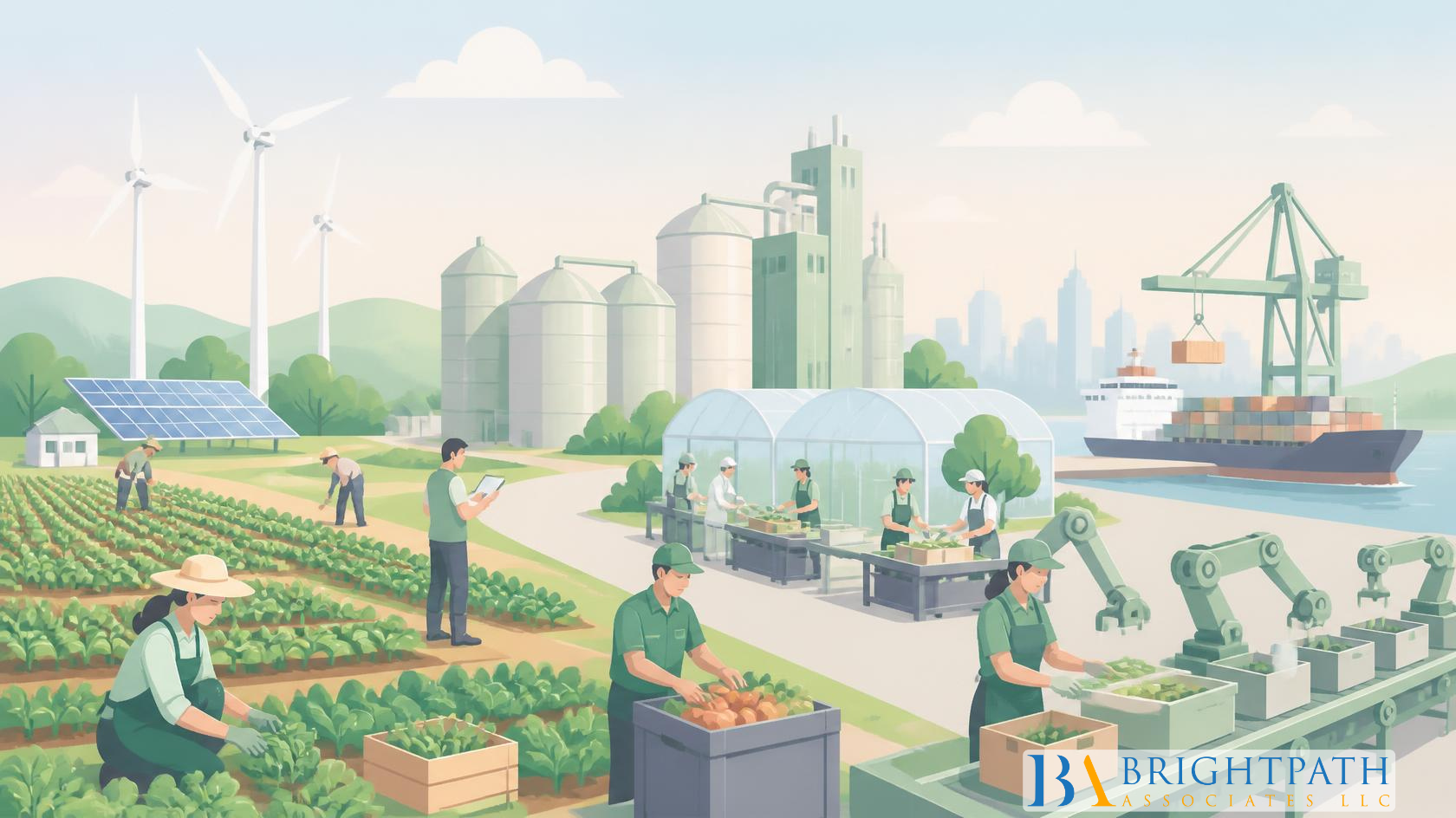
Agriculture is entering a period of significant economic transformation. Changing trade relationships, fluctuating commodity prices, climate pressures, evolving consumer expectations, and rapid technological development are reshaping how farming businesses compete. For agricultural producers and agribusiness leaders, long-term success increasingly depends on the ability to operate efficiently, manage financial risks, and respond to market changes.
Government subsidies have historically played an important role in agricultural economies, helping eligible producers manage financial uncertainty, stabilize income, and maintain production during difficult periods. However, businesses that depend heavily on public support can become vulnerable when policies, eligibility requirements, or funding priorities change.
Preparing for a potential post-subsidy environment does not mean assuming that agricultural support programs will disappear. Instead, it means building a business model capable of remaining competitive even when government assistance becomes less predictable or represents a smaller share of operating income.
For small and mid-sized agricultural enterprises across the United States, this transition presents an opportunity to strengthen financial discipline, modernize operations, and develop leadership capabilities that support sustainable growth.
Understanding the Economics of a Changing Agricultural Market
Agricultural businesses operate within a complex economic environment. Input costs, including seeds, fertilizer, fuel, labor, machinery, and transportation, can fluctuate significantly. At the same time, commodity prices are influenced by global supply and demand, weather conditions, currency movements, trade policies, and changing consumption patterns.
Subsidies and other government support mechanisms can help eligible producers manage certain risks. Nevertheless, relying too heavily on these programs may make it harder for businesses to assess their underlying profitability independently.
Agricultural leaders should therefore examine how their operations would perform under different financial scenarios. What would happen if input costs increased, commodity prices declined, or a particular support program changed? Could the business maintain adequate cash flow, meet debt obligations, and continue investing in essential equipment?
Scenario planning can help management teams answer these questions. By evaluating different combinations of revenue, costs, financing, and production outcomes, businesses can identify vulnerabilities before they become urgent problems.
Improving Operational Efficiency Through Agricultural Technology
Technology is becoming an important tool for improving farm productivity and managing costs. Precision agriculture systems, satellite imagery, soil sensors, automated machinery, and digital farm management platforms can help producers make better-informed operational decisions.
For example, precision application systems can help farmers adjust fertilizer and water use according to field conditions. Better monitoring can identify areas requiring additional attention, while equipment data can support more effective maintenance planning.
These technologies can contribute to lower input waste and improved resource utilization. However, their value depends on appropriate implementation, reliable data, employee training, and realistic financial expectations.
Small and mid-sized agricultural businesses do not need to adopt every available innovation simultaneously. A more practical strategy is to identify the operational challenges with the greatest financial impact and evaluate technologies that directly address them.
Before investing, leaders should consider the total cost of ownership, expected productivity improvements, maintenance requirements, compatibility with existing equipment, and the skills needed to operate new systems.
For companies seeking to understand broader developments in the Farming Industry, connecting technological investment with financial discipline and operational strategy is essential to building a more competitive agricultural business.
The Leadership Capabilities Required for Agricultural Transformation
Financial resilience, technology adoption, and market diversification depend on effective leadership. Agricultural businesses need professionals who can connect production decisions with commercial strategy, financial performance, workforce development, and long-term planning.
A farm operations executive must understand production efficiency and resource allocation. A finance leader needs the ability to evaluate investment decisions, manage cash flow, and assess financial exposure. Supply chain leaders must coordinate suppliers, processors, distributors, and customers while responding to changing market conditions.
For small and mid-sized enterprises, gaps in senior leadership can limit the effectiveness of even well-designed transformation plans. Business owners may have deep operational expertise but need additional leadership capabilities as their organizations expand into new markets or adopt advanced technologies.
Executive recruitment and succession planning can help businesses identify these capabilities before they become critical gaps. Organizations should also invest in developing internal talent, strengthening management accountability, and preparing future leaders for more complex responsibilities.
For further insights into the economic and strategic forces shaping agriculture, read BrightPath Associates' article on the new agricultural economy and preparing for a post-subsidies global market.
Conclusion: Building an Agricultural Business That Can Adapt
Preparing for a potentially less subsidy-dependent agricultural economy requires more than reducing costs. It involves developing a resilient business model supported by sound financial planning, operational efficiency, diversified revenue opportunities, reliable supply chains, and strategic investment.
Small and mid-sized agricultural enterprises can begin by evaluating their dependence on government assistance, identifying their most significant financial risks, and prioritizing improvements that strengthen their underlying competitiveness.
Technology, sustainability, and market expansion can contribute to this transition when investments are carefully evaluated and supported by capable leadership. Businesses that understand their economics and remain adaptable will be better equipped to navigate changing policies, customer expectations, and global market conditions.
