Navigating Rails: A Guide to Regulatory Compliance for US Railroad Manufacturers
Author : David Pitman | Published On : 13 Mar 2026
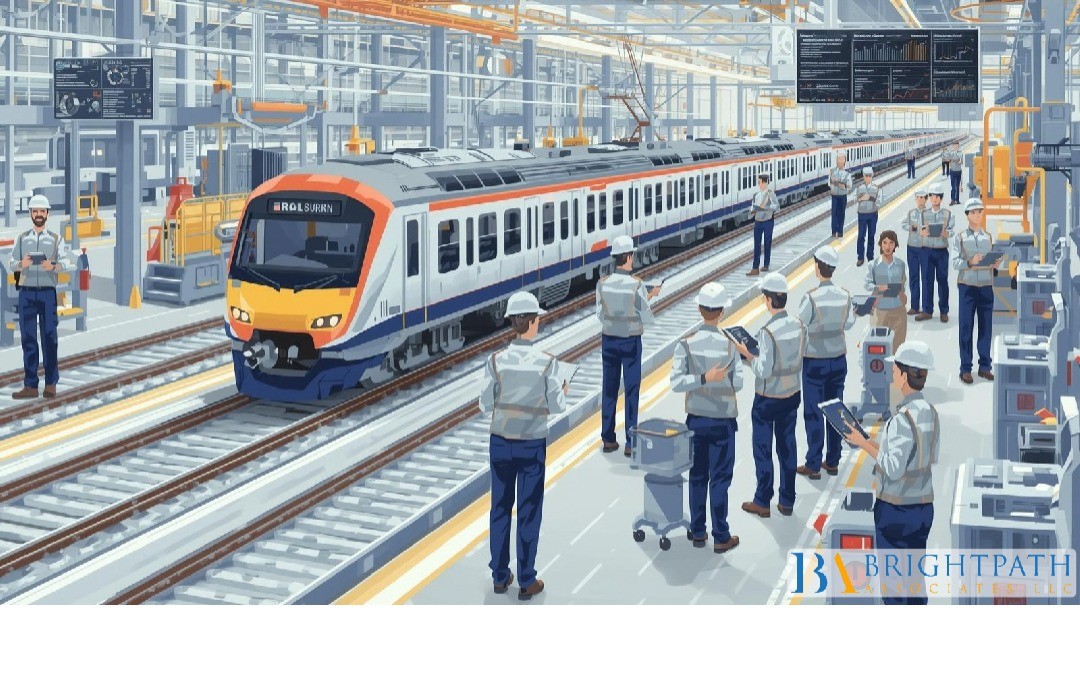
The U.S. railroad manufacturing industry plays a vital role in supporting the nation’s transportation infrastructure, freight movement, and economic growth. Yet alongside the sector’s opportunities comes a complex web of regulatory requirements that manufacturers must navigate carefully.
For small to mid-sized railroad manufacturing companies, regulatory compliance is not simply a legal obligation—it is a strategic necessity. Meeting federal standards ensures safety, protects operational integrity, and reinforces credibility with customers, regulators, and industry partners. Organizations that approach compliance proactively often gain a competitive advantage by strengthening operational reliability and minimizing regulatory risks.
This article explores the evolving regulatory landscape for U.S. railroad manufacturers, highlighting the importance of compliance, key regulatory frameworks, and practical strategies for building a resilient compliance culture.
Why Regulatory Compliance Matters in Railroad Manufacturing
Rail transportation remains one of the safest and most efficient modes of freight movement in the United States. However, maintaining this safety record requires strict adherence to federal regulations governing the design, production, and operation of rail equipment.
Regulatory compliance ensures that railroad manufacturers produce equipment that meets stringent safety and performance standards. Federal oversight bodies—most notably the Federal Railroad Administration (FRA)—establish and enforce rules related to rail safety, operational practices, hazardous materials transport, and equipment standards.
These rules exist to protect not only rail operators but also workers, passengers, communities, and the environment. Noncompliance can result in serious consequences, including fines, operational restrictions, or the inability to supply equipment to the national rail system.
For manufacturers, compliance also serves as a mark of quality and reliability, signaling to customers that their products meet the highest safety standards.
Key Regulatory Bodies Shaping the Industry
Understanding the regulatory framework is essential for any railroad manufacturer operating in the United States. Several federal agencies play central roles in defining and enforcing standards.
Federal Railroad Administration (FRA)
The FRA is the primary regulatory authority responsible for overseeing railroad safety in the United States. Its Office of Railroad Safety develops and enforces regulations across areas such as equipment standards, track safety, signaling systems, hazardous materials handling, and operating practices.
The FRA also conducts inspections, investigates accidents, and issues safety advisories to ensure industry compliance.
Department of Transportation (DOT)
Operating under the U.S. Department of Transportation, the FRA works alongside other agencies to regulate transportation infrastructure and safety.
Pipeline and Hazardous Materials Safety Administration (PHMSA)
PHMSA oversees the safe transportation of hazardous materials by rail. Regulations require rail operators to maintain detailed electronic information about hazardous materials carried by trains so emergency responders can access critical data in the event of an incident.
These agencies collectively shape the regulatory landscape that railroad manufacturers must navigate.
Key Compliance Areas for Railroad Manufacturers
Successfully navigating regulatory requirements requires a structured approach across several operational areas.
1. Safety and Equipment Standards
Rail equipment must meet rigorous design and manufacturing standards. From braking systems to couplers and structural integrity, every component must comply with established safety regulations.
Historically, federal laws such as the Railroad Safety Appliance Act mandated technologies like automatic couplers and air brakes, which dramatically reduced rail accidents and improved worker safety. Today, similar safety innovations continue to drive compliance requirements.
2. Inspection and Maintenance Protocols
Regular inspections and preventative maintenance are essential for maintaining regulatory compliance. Routine assessments help identify potential issues before they escalate into safety hazards or operational disruptions.
Industry best practices include comprehensive inspections of track systems, railcars, and manufacturing equipment, along with detailed documentation to demonstrate compliance during regulatory audits.
3. Documentation and Reporting
Accurate documentation is a cornerstone of regulatory compliance. Manufacturers must maintain records covering equipment specifications, safety certifications, inspection results, and operational procedures.
These records not only support regulatory audits but also help organizations identify operational improvements and mitigate potential risks.
4. Technology and Safety Systems
Technological advancements are transforming safety and compliance within the railroad sector. Systems such as Positive Train Control (PTC) automatically monitor train movements and intervene when safety limits are exceeded, helping prevent collisions and derailments.
While such systems are primarily deployed by rail operators, manufacturers must ensure their equipment integrates effectively with these technologies.
Role of Leadership and Talent
Navigating regulatory complexity requires more than technical knowledge—it demands strong leadership. C-suite executives and operational leaders must possess a deep understanding of regulatory frameworks, risk management, and industry standards. They must also guide their organizations through technological transformation, supply-chain challenges, and evolving safety expectations.
For many small to mid-sized railroad manufacturing companies, finding leaders with this specialized expertise can be a challenge. Strategic executive recruitment plays a critical role in identifying professionals capable of aligning compliance strategies with broader business objectives.
Organizations seeking deeper insights into the sector can explore this detailed overview of the railroad manufacturing industry. You can also review the original analysis that inspired this article here: Compliance for US Railroad Manufacturers.
Looking Ahead: Compliance as a Competitive Advantage
The regulatory landscape for railroad manufacturing will continue to evolve as new technologies, environmental considerations, and safety expectations reshape the industry.
Companies that treat compliance as a strategic priority—not merely a legal obligation—will be best positioned to thrive. By investing in robust compliance systems, strengthening leadership teams, and embracing innovation, manufacturers can transform regulatory challenges into opportunities for growth.
For forward-thinking organizations, the question is no longer whether compliance matters—but how effectively it can be integrated into long-term business strategy.
