Navigating global dairy market, and maximizing your export potential
Author : Alyssa Miller | Published On : 01 May 2026
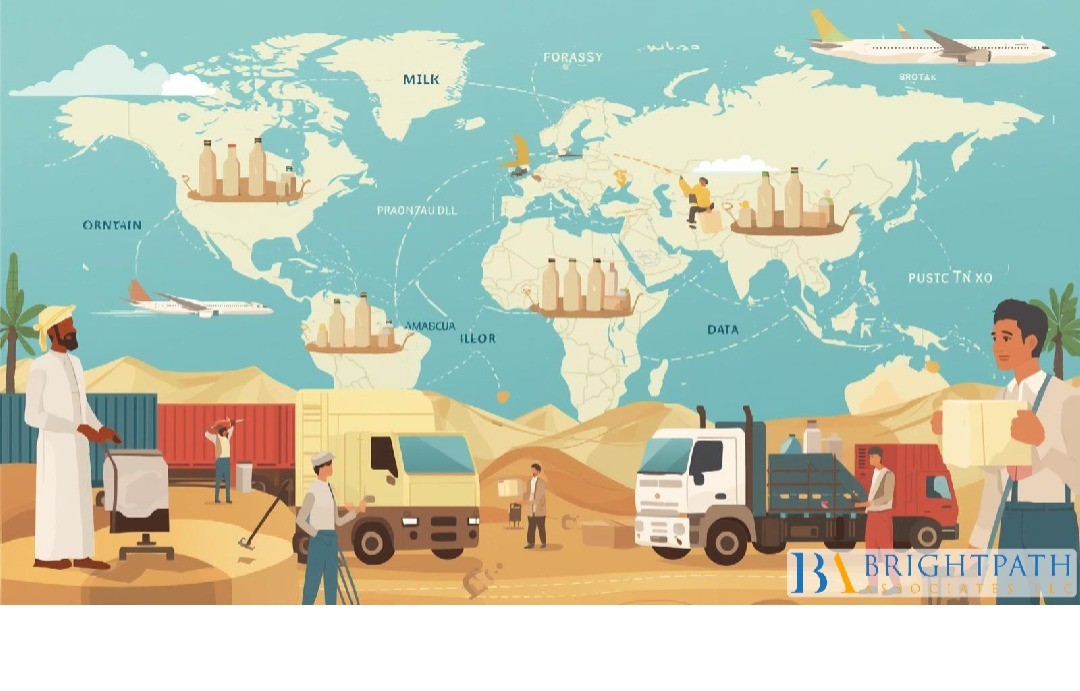
The global dairy industry is entering a new era of transformation, shaped by shifting trade dynamics, evolving consumer demand, and increasing geopolitical complexities. For small to mid-sized dairy enterprises in the United States, expanding into international markets presents a powerful opportunity for growth—but also a series of strategic challenges. The real question is: Are you fully leveraging your export potential, or are global market complexities limiting your expansion?
In recent years, the global dairy market has experienced significant fluctuations driven by supply constraints, changing consumption patterns, and economic uncertainty. Milk production growth has remained inconsistent across major exporting regions due to factors such as rising costs, climate disruptions, and labor shortages . At the same time, demand from key importing countries like China and Brazil continues to influence global pricing and trade flows, making it essential for exporters to stay agile and responsive to market signals . These dynamics highlight a critical reality—success in global dairy exports requires not just production capacity, but strategic market positioning.
One of the most significant opportunities in the global dairy market lies in the growing demand for value-added products. Products such as cheese, whey, and milk powders are seeing increased demand across international markets, particularly in emerging economies. For example, cheese exports are expected to be one of the strongest performing categories globally, driven by rising consumption and changing dietary preferences . This shift presents a compelling opportunity for dairy companies to diversify their product portfolios and move beyond traditional commodity-based exports.
However, expanding into global markets is not without its challenges. Trade policies and tariffs continue to play a significant role in shaping export opportunities. Recent tariff implementations and trade tensions have created uncertainty, forcing exporters to adapt quickly to changing regulations and pricing pressures . Additionally, many countries impose strict quality standards and regulatory requirements that can act as barriers to entry. Companies must invest in compliance, quality assurance, and certification processes to successfully compete in international markets.
Logistics and supply chain complexities further add to the challenge. Efficient cold chain management, transportation infrastructure, and distribution networks are critical for maintaining product quality and meeting delivery timelines. Inadequate logistics can lead to product losses, increased costs, and reduced competitiveness in global markets. This is particularly evident in regions where export potential remains underutilized due to infrastructure limitations and regulatory hurdles .
Another critical factor influencing global dairy exports is market concentration and competition. The industry is increasingly dominated by large multinational players who benefit from economies of scale, advanced technology, and established global networks. This consolidation creates a highly competitive environment for small to mid-sized enterprises, requiring them to adopt innovative strategies to differentiate themselves. According to industry analysis, consolidation and internationalization are key trends shaping the dairy sector, intensifying competition for raw materials and market share .
Despite these challenges, the opportunities for growth remain substantial—particularly for organizations that adopt a strategic and forward-thinking approach. One of the most effective strategies for maximizing export potential is market diversification. Relying on a limited number of export destinations increases vulnerability to economic and political disruptions. By expanding into multiple markets, companies can spread risk and capitalize on emerging opportunities. For instance, while traditional markets like Mexico and Canada remain dominant importers of U.S. dairy, diversification into other regions can unlock new growth avenues .
Digital transformation is also playing an increasingly important role in global dairy trade. Advanced data analytics, AI-driven forecasting, and supply chain optimization tools enable companies to make informed decisions, anticipate demand fluctuations, and improve operational efficiency. These technologies not only enhance competitiveness but also provide valuable insights into consumer behavior and market trends, allowing companies to tailor their strategies accordingly.
Sustainability is another critical factor shaping the future of dairy exports. Global consumers and regulators are placing greater emphasis on environmentally responsible practices, pushing companies to adopt sustainable production methods. From reducing carbon emissions to improving resource efficiency, sustainability initiatives are becoming essential for maintaining market access and building brand reputation. Companies that prioritize sustainability are better positioned to meet regulatory requirements and attract environmentally conscious consumers.
While technology, strategy, and market insights are essential, one often overlooked factor can make or break export success—leadership and talent. Navigating the complexities of global markets requires experienced professionals who understand international trade regulations, supply chain dynamics, and market entry strategies. Organizations need leaders who can align business objectives with global opportunities, manage cross-border operations, and drive innovation in a competitive environment.
This is where executive recruitment becomes a critical enabler of growth. Building a team with the right expertise and strategic vision can significantly enhance a company’s ability to expand globally. From supply chain specialists to international business development leaders, the right talent can help organizations overcome challenges and capitalize on opportunities in the global dairy market.
For companies looking to strengthen their position in the Dairy industry, understanding the broader landscape is essential. Additionally, for a deeper dive into the strategies and challenges discussed in this article, refer to the original blog here: Navigating global dairy market.
Ultimately, maximizing export potential in the global dairy market requires a holistic approach that combines strategic planning, operational excellence, and strong leadership. Companies must be proactive in identifying opportunities, addressing challenges, and continuously adapting to changing market conditions. Those who succeed will not only expand their global footprint but also achieve sustainable growth in an increasingly competitive industry.
At BrightPath Associates LLC, we specialize in helping small to mid-sized dairy enterprises connect with top-tier talent who can drive global expansion, optimize operations, and unlock new market opportunities. If you’re ready to transform your export strategy and build a future-ready leadership team, now is the time to act. Let’s start the conversation.
