Navigating EPR Landscape: Compliance Prep for Smaller Converters
Author : Kabir Pathan | Published On : 04 Aug 2026
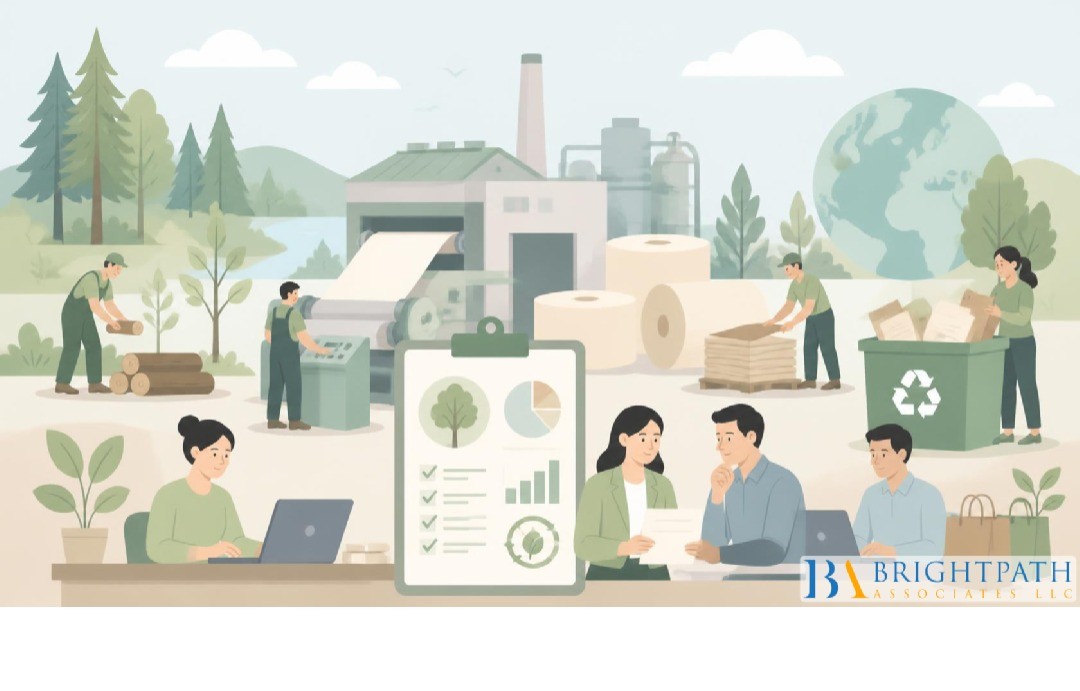
The paper and forest products industry is undergoing a significant transformation as sustainability becomes a core business priority rather than a competitive differentiator. Among the most impactful regulatory developments is Extended Producer Responsibility (EPR), a framework that shifts greater responsibility for managing product packaging and materials to producers. While large manufacturers often have dedicated compliance teams and substantial resources to navigate these changes, small and mid-sized converters frequently face a more complex challenge. Limited budgets, lean staffing, and evolving regulations can make EPR compliance seem overwhelming. However, organizations that prepare early can transform compliance from a regulatory obligation into a strategic advantage.
For smaller converters, EPR should not be viewed solely as another government requirement. Instead, it presents an opportunity to modernize operations, improve sustainability initiatives, strengthen customer relationships, and enhance market competitiveness. As customers, retailers, and business partners increasingly prioritize environmentally responsible suppliers, companies that proactively embrace EPR principles will be better positioned for long-term success.
Businesses operating within the Paper & Forest Products Industry are already witnessing increased expectations surrounding responsible sourcing, recyclable packaging, waste reduction, and environmental reporting. Meeting these expectations requires more than simply complying with regulations; it demands a comprehensive strategy that aligns operational efficiency with sustainable business practices.
One of the first steps toward successful EPR readiness is understanding what the regulations actually require. Although requirements differ across states and jurisdictions, the underlying objective remains consistent: producers should share responsibility for the environmental impact of the products and packaging they introduce into the marketplace. This includes financing or participating in recycling programs, improving material recovery rates, reducing unnecessary packaging, and providing accurate reporting regarding packaging materials. Companies that monitor legislative developments early are far less likely to encounter costly compliance surprises later.
Many smaller converters mistakenly assume that compliance begins once regulations become mandatory. In reality, the most successful organizations begin preparing months or even years in advance. Conducting an internal review of packaging materials, supplier relationships, manufacturing processes, and documentation practices provides valuable insight into potential compliance gaps. Early assessments also allow businesses to prioritize investments gradually rather than making expensive changes under tight regulatory deadlines.
Data management has become another essential component of effective EPR preparation. Organizations need accurate information regarding packaging composition, recycled content, material weights, supplier certifications, and product distribution. Maintaining this information manually often becomes increasingly difficult as product portfolios expand. Investing in digital recordkeeping systems, integrated inventory management software, or automated reporting tools can significantly reduce administrative burdens while improving reporting accuracy. Better data also enables companies to identify opportunities for material optimization and cost reduction.
Supplier collaboration is equally important in building an effective compliance strategy. Smaller converters depend heavily on raw material providers for accurate information regarding material composition, recycled content, sustainability certifications, and environmental performance. Developing stronger relationships with suppliers encourages greater transparency while ensuring access to reliable compliance documentation. Companies that treat suppliers as strategic partners rather than transactional vendors often experience smoother implementation of sustainability initiatives.
As sustainability expectations continue to rise, customers are evaluating suppliers based on more than product quality and pricing. Environmental responsibility, transparency, and responsible manufacturing practices have become important purchasing considerations across many industries. Companies that demonstrate measurable progress toward sustainability objectives strengthen customer confidence while positioning themselves as preferred business partners. EPR readiness therefore contributes not only to regulatory compliance but also to stronger customer relationships and enhanced brand reputation.
Building a successful EPR strategy also requires effective leadership. Executives who communicate clear sustainability objectives, allocate appropriate resources, and encourage cross-functional collaboration create organizations that adapt more effectively to regulatory changes. Rather than viewing compliance as a cost center, forward-thinking leaders recognize its potential to improve operational resilience, reduce waste, and support long-term growth. This mindset enables organizations to approach changing regulations with confidence rather than uncertainty.
As regulatory requirements continue evolving, access to experienced professionals becomes increasingly valuable. Organizations need leaders who understand environmental compliance, supply chain optimization, manufacturing excellence, quality systems, and sustainable business practices. Recruiting individuals with these specialized skills enables companies to implement effective compliance strategies while maintaining operational efficiency. In today's competitive labor market, attracting and retaining this expertise has become an important competitive advantage for growing businesses.
Companies seeking additional perspectives on preparing for changing environmental regulations can explore EPR Landscape Compliance Prep for Smaller Converters, which provides further insights into the evolving responsibilities facing manufacturers and converters.
Ultimately, Extended Producer Responsibility represents more than another regulatory challenge. It reflects the broader transformation occurring across global manufacturing as sustainability becomes central to business success. Smaller converters that embrace proactive planning, invest in technology, strengthen supplier relationships, educate employees, and recruit experienced professionals will be better prepared to navigate evolving compliance requirements while creating long-term value for customers and stakeholders alike.
