Navigating Complexity: Overcoming Leadership Challenges in Dairy Sector
Author : Alyssa Miller | Published On : 30 Jun 2026
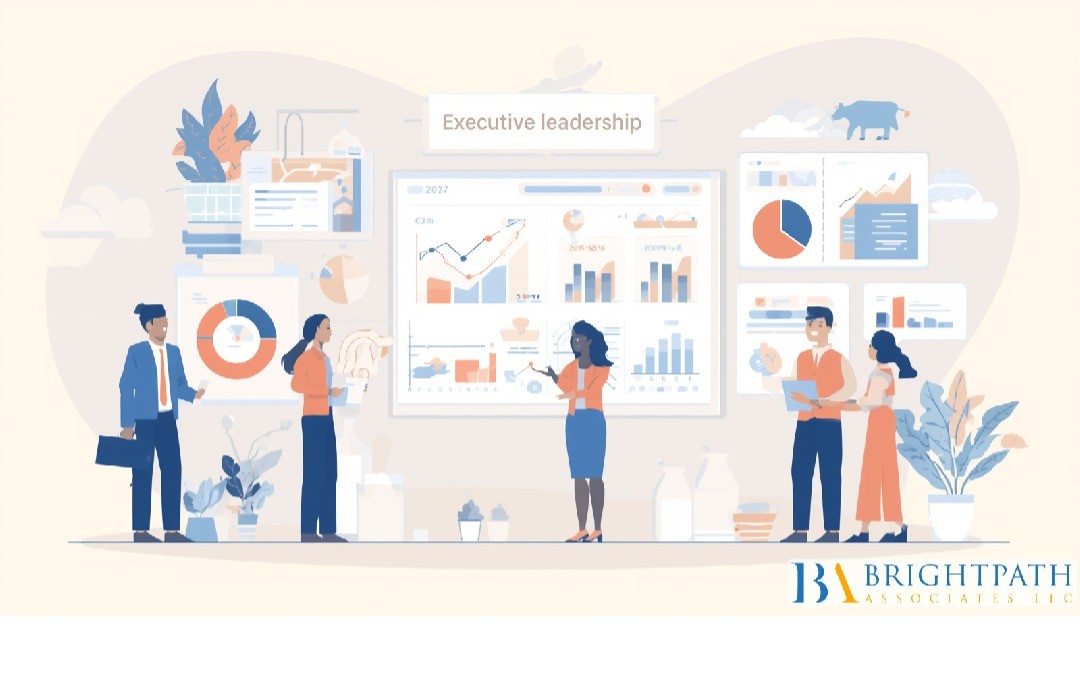
The dairy industry has always been a cornerstone of the global food supply chain, but today's business environment presents a level of complexity unlike anything experienced before. Rising consumer expectations, evolving food safety regulations, sustainability commitments, supply chain disruptions, labor shortages, and rapid technological advancements are reshaping how dairy companies operate. While investments in automation and product innovation are critical, one factor consistently determines whether organizations successfully navigate these challenges: leadership. For small and mid-sized dairy companies across the United States, effective leadership has become a strategic asset that drives operational excellence, business resilience, and long-term growth.
Modern dairy executives face a balancing act that extends well beyond production management. They must simultaneously oversee operational efficiency, maintain strict quality standards, ensure regulatory compliance, manage increasingly sophisticated supply chains, embrace digital transformation, and respond to shifting consumer preferences. Every strategic decision carries implications for profitability, sustainability, customer satisfaction, and workforce engagement. Organizations that cultivate adaptable, forward-thinking leadership teams are better equipped to respond to these challenges while identifying new opportunities for innovation and expansion.
One of the most significant leadership challenges facing the dairy sector is managing uncertainty. Global events, changing trade policies, fluctuating raw material costs, transportation disruptions, and unpredictable consumer demand have created an environment where traditional long-term planning is no longer sufficient. Leaders must develop the ability to make informed decisions using real-time data while remaining agile enough to adjust strategies as market conditions evolve. Building organizational resilience requires executives who can anticipate risks, evaluate multiple scenarios, and guide their teams confidently through periods of change.
Consumer expectations continue to redefine business priorities throughout the dairy industry. Today's customers are increasingly interested in nutritional value, product transparency, sustainability, animal welfare, and clean-label ingredients. These preferences have encouraged dairy companies to diversify product portfolios by introducing lactose-free options, high-protein beverages, functional dairy products, and environmentally responsible packaging. Successfully responding to these evolving demands requires leaders who understand both market trends and operational capabilities. Strategic leadership enables organizations to align product innovation with consumer expectations while maintaining manufacturing efficiency and financial performance.
Technology has become another major driver of organizational transformation. Artificial intelligence, automation, predictive analytics, robotics, and Industrial Internet of Things (IIoT) solutions are changing how dairy products are manufactured, monitored, and distributed. Digital technologies provide valuable insights into production performance, quality control, inventory management, and maintenance planning. However, technology investments deliver meaningful results only when supported by leadership capable of managing organizational change. Executives must ensure employees understand new systems, embrace innovation, and continuously develop the technical skills required to operate increasingly sophisticated manufacturing environments.
Organizations operating within the Dairy Industry are also recognizing that workforce development has become one of the defining leadership priorities. As experienced professionals retire and technology reshapes manufacturing roles, companies face increasing competition for skilled talent across engineering, food science, quality assurance, operations, supply chain management, and executive leadership. Attracting and retaining high-performing professionals requires organizations to create engaging workplace cultures, invest in employee development, and establish clear pathways for career advancement. Leaders who prioritize talent development strengthen organizational capability while improving employee retention and long-term business performance.
Supply chain complexity represents another significant leadership challenge. Dairy products require carefully coordinated sourcing, processing, cold storage, transportation, and retail distribution to maintain quality and freshness. Any disruption within this network can affect customer satisfaction, operational efficiency, and profitability. Effective leaders build resilient supply chains by strengthening supplier relationships, improving inventory visibility, adopting advanced planning technologies, and diversifying sourcing strategies where appropriate. Digital supply chain platforms further support decision-making by providing real-time operational insights that improve responsiveness and reduce risk.
Sustainability has become an essential component of executive leadership across the dairy sector. Environmental stewardship is no longer viewed as a separate initiative but as a core business strategy influencing manufacturing operations, product development, supply chain management, and corporate reputation. Dairy companies are investing in renewable energy, water conservation, waste reduction, sustainable packaging, and responsible sourcing practices to meet regulatory expectations and consumer preferences. Leadership teams capable of integrating sustainability into overall business strategy create organizations that are both environmentally responsible and financially resilient.
Regulatory compliance adds another layer of complexity for dairy executives. Food safety standards, quality management systems, environmental regulations, and labeling requirements continue to evolve, requiring organizations to maintain rigorous compliance programs while remaining operationally efficient. Leaders must foster cultures where compliance is viewed not as an obligation but as a foundation for product quality, customer trust, and brand reputation. Companies with proactive leadership often integrate compliance into continuous improvement initiatives, reducing risk while enhancing operational performance.
Innovation remains essential for long-term competitiveness, but successful innovation depends heavily on leadership. Whether developing new dairy products, implementing advanced manufacturing technologies, improving packaging solutions, or expanding into new markets, organizations require leaders who encourage collaboration, support creative thinking, and make informed investment decisions. Executive teams that embrace innovation while maintaining operational discipline position their companies to capitalize on emerging market opportunities without compromising quality or profitability.
Leadership succession has also become increasingly important as the industry evolves. Many dairy companies face the challenge of replacing experienced executives while preparing future leaders capable of managing digital transformation, sustainability initiatives, workforce development, and global market competition. Succession planning, leadership mentoring, executive coaching, and strategic recruitment all contribute to building organizations capable of sustaining long-term growth. Investing in leadership development today helps ensure continuity and resilience in the years ahead.
Business leaders interested in exploring these leadership strategies in greater depth can read the original article on Overcoming Leadership Challenges in Dairy Sector, which examines the evolving responsibilities of dairy executives and the leadership capabilities required to succeed in an increasingly competitive industry.
As the dairy industry continues to transform, leadership will remain the defining factor separating organizations that adapt from those that struggle to keep pace. Companies that invest in visionary leadership, workforce development, digital transformation, operational excellence, and sustainable business practices will be better positioned to navigate uncertainty while creating lasting competitive advantages. In an industry where change has become the only constant, exceptional leadership is no longer optional—it is the foundation of future success.
