Navigating Complexity: Addressing Key Challenges in Modern Locomotive
Author : David Pitman | Published On : 03 Apr 2026
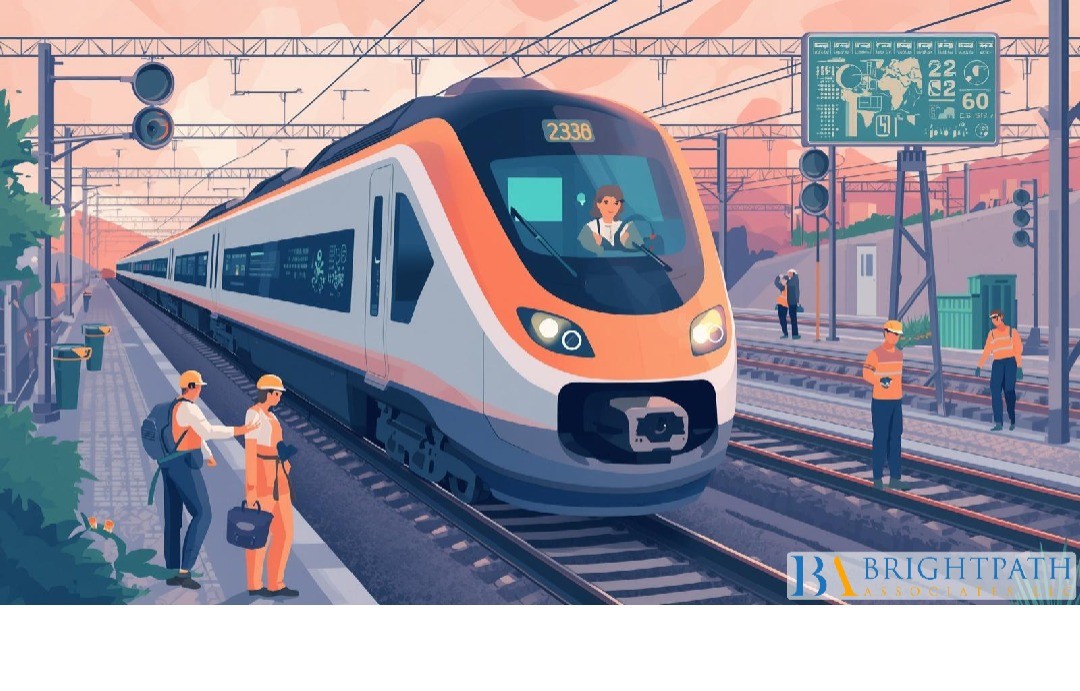
The railroad manufacturing industry is undergoing a profound transformation, driven by technological advancements, sustainability demands, and increasing operational complexity. For C-suite leaders and decision-makers in small to mid-sized enterprises, the challenge is no longer just about producing locomotives—it is about navigating a highly interconnected ecosystem of innovation, regulation, and talent. As modern locomotive manufacturing evolves, organizations must adopt a strategic approach to remain competitive in a rapidly changing market.
One of the most pressing challenges in modern locomotive manufacturing is the growing demand for efficiency and sustainability. Governments and private operators alike are pushing for cleaner, more energy-efficient transportation systems. This has accelerated the shift toward hybrid and electric locomotives, which significantly reduce emissions and operational costs. However, transitioning from traditional diesel-powered systems to advanced alternatives requires substantial investment, infrastructure upgrades, and technical expertise. The high upfront cost of these technologies remains a major barrier, particularly for smaller organizations trying to balance innovation with financial constraints.
At the same time, the integration of advanced technologies is reshaping how locomotives are designed and manufactured. Automation, robotics, and digital systems are becoming central to production processes, enabling greater precision, improved quality control, and faster turnaround times. Modern manufacturing environments are increasingly data-driven, relying on real-time analytics and predictive maintenance to optimize performance. However, this digital transformation introduces new layers of complexity, requiring organizations to invest not only in technology but also in the systems and processes needed to manage it effectively.
Another significant challenge lies in supply chain complexity. Railroad manufacturing depends on a vast network of suppliers, often spread across multiple regions and subject to varying regulatory standards. Disruptions in material availability, transportation delays, or supplier performance can have a cascading effect on production timelines and project delivery. As global competition intensifies, manufacturers are under pressure to build more resilient supply chains that can withstand external shocks while maintaining efficiency and cost-effectiveness.
In addition to supply chain challenges, infrastructure limitations continue to pose a major hurdle for the industry. Many rail systems still rely on outdated infrastructure that struggles to support modern technological demands. This disconnect between advanced locomotive capabilities and legacy systems creates inefficiencies and increases maintenance costs. Significant investments are being made to modernize infrastructure, but the scale and complexity of these upgrades make it a long-term challenge for the industry.
Regulatory and compliance pressures further add to the complexity of locomotive manufacturing. Strict safety standards, environmental regulations, and certification requirements must be met at every stage of the production process. While these regulations are essential for ensuring safety and sustainability, they also increase development timelines and costs. Manufacturers must continuously adapt to evolving regulatory frameworks while maintaining high levels of quality and reliability.
Another critical factor shaping the industry is the rapid pace of technological innovation. From AI-driven diagnostics to IoT-enabled monitoring systems, new technologies are redefining how locomotives operate and how performance is measured. These innovations offer significant benefits, including improved efficiency, reduced downtime, and enhanced safety. However, they also require organizations to continuously upgrade their capabilities and stay ahead of technological trends, creating an ongoing cycle of investment and adaptation.
Perhaps the most underestimated challenge in modern locomotive manufacturing is the talent gap. As the industry becomes more technologically advanced, the demand for skilled professionals with expertise in engineering, data analytics, automation, and digital systems continues to grow. Small to mid-sized companies often struggle to attract and retain such talent, especially when competing with larger organizations that offer greater resources and brand recognition. This talent shortage can slow down innovation, delay projects, and limit an organization’s ability to fully leverage new technologies.
This is where strategic recruitment becomes a key differentiator. At BrightPath Associates LLC, we understand that navigating the complexities of modern locomotive manufacturing requires more than just technical solutions—it requires the right people. Our focus is on connecting organizations with highly skilled professionals who can drive innovation, manage complexity, and deliver measurable results. By aligning talent acquisition with business strategy, we help companies build teams that are capable of addressing both current challenges and future opportunities.
For organizations seeking a deeper understanding of the railroad manufacturing landscape, including emerging trends and workforce dynamics, explore industry insights. The impact of effective talent strategy extends across every aspect of locomotive manufacturing. Skilled professionals enable organizations to adopt advanced technologies, optimize production processes, and enhance supply chain resilience. They also play a critical role in ensuring compliance with regulatory standards and driving continuous improvement. In an industry where precision, reliability, and innovation are paramount, having the right talent can make the difference between success and stagnation.
Looking ahead, the future of locomotive manufacturing will be defined by the ability to integrate technology, sustainability, and talent into a cohesive strategy. The adoption of electric and hybrid systems will continue to grow, driven by environmental considerations and regulatory requirements. Digital transformation will further enhance efficiency and performance, while supply chain strategies will evolve to become more resilient and adaptable.
However, the organizations that truly succeed will be those that recognize the importance of aligning these elements with a strong talent strategy. Technology alone cannot solve the challenges of modern manufacturing—it must be supported by professionals who have the expertise and vision to implement it effectively.
To gain a more comprehensive perspective on the challenges shaping modern locomotive manufacturing, explore the full article here: Challenges in Modern Locomotive. As you evaluate your organization’s position in this evolving landscape, consider this: Are you equipped to handle the growing complexity of modern locomotive manufacturing? Do you have the right talent to drive innovation and maintain a competitive edge? And most importantly, are your hiring strategies aligned with your long-term business goals?
Let’s start the conversation. BrightPath Associates LLC is here to help you build a future-ready workforce that enables you to navigate complexity, embrace innovation, and lead in the railroad manufacturing industry.
