Nature's Blueprint: Exploring Biomimicry in Textile Innovation
Author : Ayesha Diaz | Published On : 10 Jun 2026
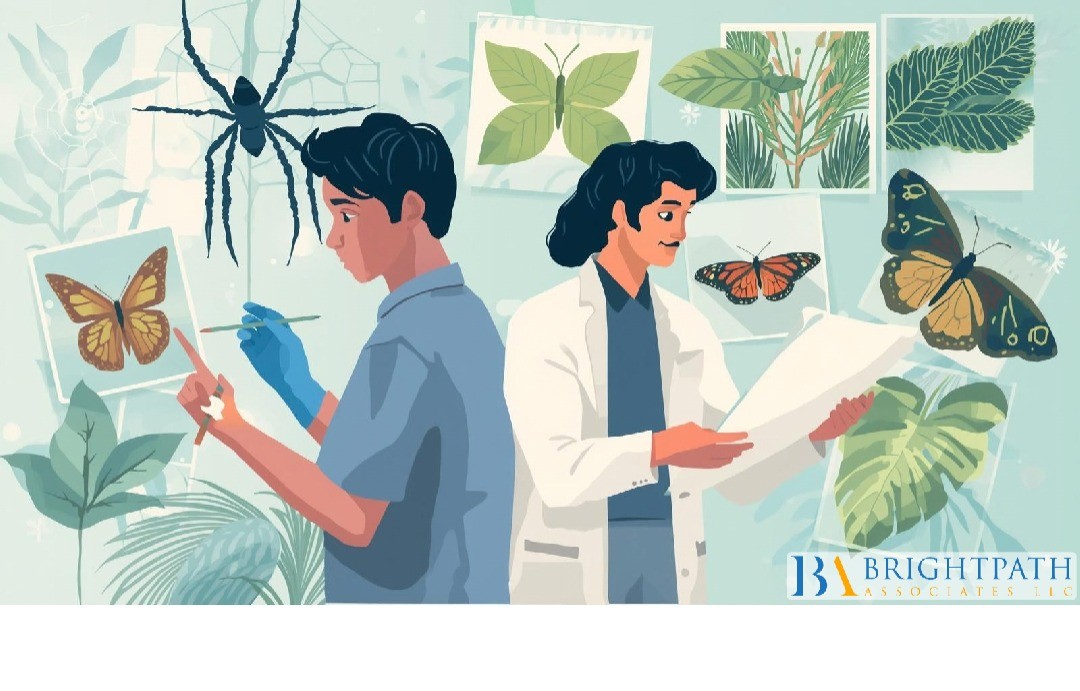
For centuries, nature has served as humanity's greatest teacher. From the intricate architecture of spider webs to the water-repellent properties of lotus leaves, the natural world offers elegant solutions to complex challenges. Today, as the textile industry faces mounting pressure to innovate sustainably, improve performance, and meet evolving consumer expectations, leaders are increasingly turning to an unlikely source of inspiration: nature itself.
This growing movement, known as biomimicry, is reshaping the future of textile innovation. Rather than relying solely on conventional approaches to product development, biomimicry encourages businesses to study and emulate nature's time-tested strategies. It asks a powerful question: What if the answers to some of the textile industry's most pressing challenges have already been perfected through millions of years of evolution?
The concept of biomimicry extends beyond simple imitation. It involves understanding the principles behind biological systems and translating those insights into practical applications. Nature has evolved highly efficient solutions using limited resources, creating structures that are lightweight yet strong, adaptive yet resilient, and functional without unnecessary waste. For textile manufacturers seeking competitive advantages in an increasingly demanding marketplace, these characteristics are impossible to ignore.
One of the earliest and most recognizable examples of biomimicry in textiles is the invention of Velcro. Swiss engineer George de Mestral famously observed how burrs clung to his dog's fur during a walk in the countryside. Upon closer examination, he discovered tiny hook-like structures that inspired the hook-and-loop fastening system used worldwide today. What began as a simple observation became one of the most commercially successful examples of nature-inspired innovation.
Researchers have drawn inspiration from lotus leaves to develop self-cleaning textiles capable of repelling water and dirt. The microscopic structures found on lotus surfaces create a superhydrophobic effect that allows droplets to roll away, carrying contaminants with them. These innovations have the potential to reduce laundering requirements, extend product life cycles, and decrease reliance on chemical cleaning agents. Studies examining biomimetic textiles emphasize the enormous potential of natural systems in creating functional surfaces that promote both performance and sustainability.
Spider silk has emerged as another remarkable source of inspiration. Despite its lightweight structure, spider silk possesses exceptional strength and elasticity. Scientists continue exploring methods to replicate these characteristics in high-performance fibers for applications ranging from protective apparel to medical textiles. The ability to create materials that combine durability with flexibility could transform how the industry approaches product design.
Animals thriving in extreme environments have evolved sophisticated mechanisms to maintain stable body temperatures. Polar bears, for instance, possess hollow fur fibers that trap heat efficiently, while certain desert species regulate moisture and airflow to remain cool. Textile innovators are studying these adaptations to develop fabrics capable of enhancing comfort across varying environmental conditions. Such advancements may prove particularly valuable as consumers increasingly seek products offering both performance and versatility.
Traditional dyeing processes often require significant water consumption and chemical inputs. In contrast, many organisms generate vibrant colors through structural arrangements rather than pigments. Butterfly wings and peacock feathers produce iridescent effects through microscopic surface structures that manipulate light. Researchers investigating these phenomena envision textiles capable of producing vivid colors without conventional dyes, potentially reducing environmental impact while unlocking entirely new aesthetic possibilities.
The textile industry faces increasing scrutiny regarding resource consumption, waste generation, and environmental stewardship. Consumers, investors, and regulators expect organizations to adopt more responsible practices without compromising quality or profitability. Biomimicry aligns naturally with these objectives because nature itself operates within finite systems.
Biological processes emphasize efficiency, adaptability, and circularity. Waste from one organism frequently becomes a resource for another. Materials are optimized to perform multiple functions while minimizing unnecessary inputs. Researchers note that biomimicry should not simply involve copying natural designs but embracing the broader principles that enable ecosystems to thrive sustainably.
For textile manufacturers, this perspective offers valuable guidance. Instead of asking how products can be produced faster or cheaper, leaders are beginning to ask how products can be designed to reduce waste, improve longevity, and contribute to circular economy initiatives. Nature shifts the focus from extraction to regeneration, encouraging innovation that balances economic performance with environmental responsibility.
Translating biological concepts into scalable commercial solutions demands interdisciplinary collaboration. Textile engineers, material scientists, sustainability experts, designers, and business leaders must work together to bridge the gap between inspiration and implementation. Organizations capable of fostering such collaboration often position themselves at the forefront of innovation.
Executives must cultivate cultures that encourage experimentation and long-term thinking. They must balance investment considerations with emerging opportunities while ensuring innovation initiatives remain aligned with broader organizational objectives. Perhaps most importantly, they must attract and develop talent capable of navigating increasingly complex intersections between science, sustainability, and commercial strategy.
This leadership imperative has intensified competition for specialized talent throughout the textile sector. Companies increasingly seek professionals who understand not only manufacturing excellence but also emerging technologies, sustainable innovation frameworks, and evolving consumer expectations.
For organizations navigating these workforce challenges, industry-specific expertise can provide a meaningful advantage. BrightPath Associates delivers executive search solutions tailored specifically to the Textile Industry, helping small and mid-sized enterprises identify leaders capable of driving innovation, strengthening operational performance, and building resilient organizations prepared for future growth.
Ultimately, biomimicry represents far more than a design trend. It reflects a fundamental shift in how the textile industry approaches problem-solving. Nature's solutions are not accidental; they are the result of continuous adaptation, refinement, and efficiency developed over millions of years. Businesses willing to learn from these systems may discover opportunities to innovate more intelligently and sustainably than ever before.
The future of textile innovation may not lie solely in laboratories or production facilities. It may begin with observing a butterfly wing, examining a lotus leaf, or understanding the remarkable strength of a spider's web.
For readers interested in exploring additional perspectives on this topic, BrightPath Associates' original article, Nature's Blueprint Exploring Biomimicry in Textile Innovation, offers further insights into how nature-inspired thinking is reshaping the industry's future.
As your organization considers its next innovation initiative, ask yourself: Are you looking only at competitors for inspiration, or are you paying attention to the billions of years of research and development embedded within the natural world? How might biomimicry influence your sustainability goals, product strategies, or talent needs? And does your leadership team possess the vision necessary to transform nature's wisdom into measurable business value?
We invite you to share your experiences, perspectives, and ideas in the comments below. Have you encountered examples of biomimicry within your organization? What opportunities or challenges do you see in adopting nature-inspired innovation? The conversations we start today may help shape the next generation of textiles—and redefine what innovation truly means.
