Name Board Ideas for Homes and Offices
Author : zamadina printing | Published On : 21 Sep 2026
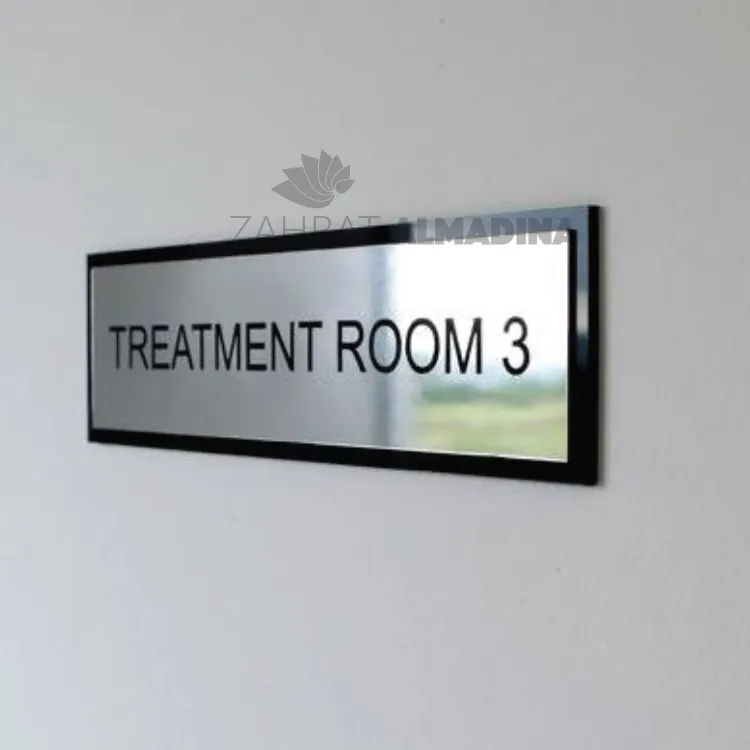
A name on a door or wall makes it easier to know who lives or works there. This is why a name board is useful in homes, offices, clinics, schools, and other places. It can show a person's name, a family name, a room name, or a company name.
There are many types of name boards available today. Some are small and simple, while others use raised letters, printed designs, or different materials. The right choice depends on where the board will be placed and how it needs to be used.
1. Where Name Boards Are Used
Name boards can be found in many different places. At home, they may be fixed beside the main door or on an outside wall. In offices, they are often used on room doors, cabins, meeting rooms, and reception areas.
Doctors, lawyers, managers, and other professionals may use a name board to identify their office. Schools and institutions can also use boards to mark classrooms, staff rooms, and other areas.
The size does not have to be the same for every location. A small door may need a small plate, while a large entrance wall can accommodate a bigger design.
2. Choosing a Name Board for a House
A name board for house use is usually placed near the entrance. It may contain a family name, house number, or both.
The board should be easy to read from outside. If it is placed on a gate, the letters may need to be larger because people will view it from a distance.
The design can match the style of the property. A simple metal board may suit a modern house, while wood or an engraved finish may work well with a more traditional exterior.
Outdoor boards also need to handle heat, dust, moisture, and sunlight. The material should therefore be selected with the location in mind.
3. Using Office Door Name Plates
Offices often have several rooms, so visitors need a simple way to identify them. Office door name plates can show the name of an employee, department, meeting room, or office number.
A door plate does not need to be large. The name should simply be clear enough to read when someone stands near the door.
For offices with many rooms, using the same design for every plate can make the workplace easier to navigate. The wording can change while the size, font, and material stay the same.
This also makes it easier to replace a plate when an employee changes rooms or a department moves.
4. Materials Used for Name Boards
Name boards can be made from several materials. Acrylic is one option because it is available in different colours and finishes. It can also be cut into different shapes.
Metal is another choice. Aluminium and stainless steel can be used when a stronger surface is needed. Different metal finishes can change the appearance of the board.
Wood can give a warmer look and is often suitable for homes and offices with natural interior features.
PVC and other sheet materials may also be used for simple indoor boards. The material should be selected according to where the board will be installed.
5. Wall Name Plate Designs
A wall name plate can be used when there is no suitable door or when the name needs to be seen from a wider area.
For example, a business may place a company name on the wall behind a reception desk. A home may have a family name fixed on an entrance wall.
Wall plates can be flat or raised. Raised letters can create more depth, while a flat printed plate may be more suitable for a simple design.
The size should match the wall. A small name can get lost on a very large wall, while an oversized plate may make a small wall look crowded.
6. Selecting the Right Letter Style
The letters are one of the most noticeable parts of a name board. They should be clear and suitable for the place where the board will be used.
Simple fonts are usually easier to read. Very decorative lettering may look good in some designs but can be difficult to understand when the letters are small.
Letter spacing also needs attention. Letters placed too close together can make a name difficult to read.
For an office, a clean font may work well. For a home, there is more freedom to use a style that matches the property's exterior or interior.
7. Size and Placement Matter
Before making a board, the area where it will be installed should be measured. This is especially important for doors because the available space can be limited.
A name board placed too close to the edge of a door may look uneven. On a wall, the board should have enough empty space around it.
The viewing distance should also be considered. A board beside a door can use smaller letters than one placed on a gate several metres away.
Checking these measurements first can prevent problems after the board has been made.
8. Indoor and Outdoor Name Boards
Indoor and outdoor boards have different requirements. An indoor board does not normally have to deal with rain or strong sunlight.
An outdoor board needs a material and finish that can handle the local weather. Direct sunlight can also affect some colours and printed surfaces over time.
For a house entrance, the board should also be easy to clean because dust can collect around gates and walls.
The fixing method matters too. Outdoor boards need to be securely attached so they can remain in place during wind and other weather conditions.
9. Personalising a Name Board
A name board can contain more than just a name. Depending on its purpose, it may include a house number, room number, department name, job title, or company logo.
For a home, a family name and house number may be enough. In an office, a person's name and position can help visitors find the right room.
Adding too much information can make a small board difficult to read. It is better to include only the details that are actually needed.
Colours can also be changed to match the surrounding space. The main point is to keep the information clear.
10. Checking the Design Before Production
A final design should be checked before the board is made. Look at the spelling of every name and number because even a small mistake can mean making the board again.
Check the dimensions, font, colours, logo, and material as well. The position of the fixing holes may also need to be considered.
Businesses that work with different printing and signage materials, such as Zahrat Al Madina Printing, may produce various types of name boards based on the size, material, and location of the project.
Taking a little time to check the design before production can prevent unnecessary changes later.
Frequently Asked Questions
What is a name board used for?
A name board identifies a person, family, room, office, business, or property.
Where can a name board be installed?
It can be placed on a door, gate, wall, reception area, office cabin, or building entrance.
What materials can be used for name boards?
Acrylic, aluminium, stainless steel, wood, PVC, and other materials can be used depending on the location and design.
What should a name board for house include?
It can include a family name, house number, or both. The exact details depend on the owner's preference.
Are office door name plates useful?
Yes. They help visitors identify offices, employees, departments, meeting rooms, and other areas.
What is a wall name plate?
It is a plate or raised-letter design fixed to a wall to display a name or other information.
Conclusion
A name board is a simple way to identify a person, home, office, or room. The best design depends on where it will be placed, how far it needs to be read from, and what information it needs to show.
For a name board, details such as material, size, lettering, placement, and fixing method should be checked before production. A house entrance may need a different type of board from an office door or reception wall.
Choosing a suitable design and keeping the wording clear can make the board useful without making it unnecessarily complicated.
