More Than an Accessory: How to Choose Gold Religious Jewelry With Personal Meaning
Author : raz smiths | Published On : 26 Oct 2026
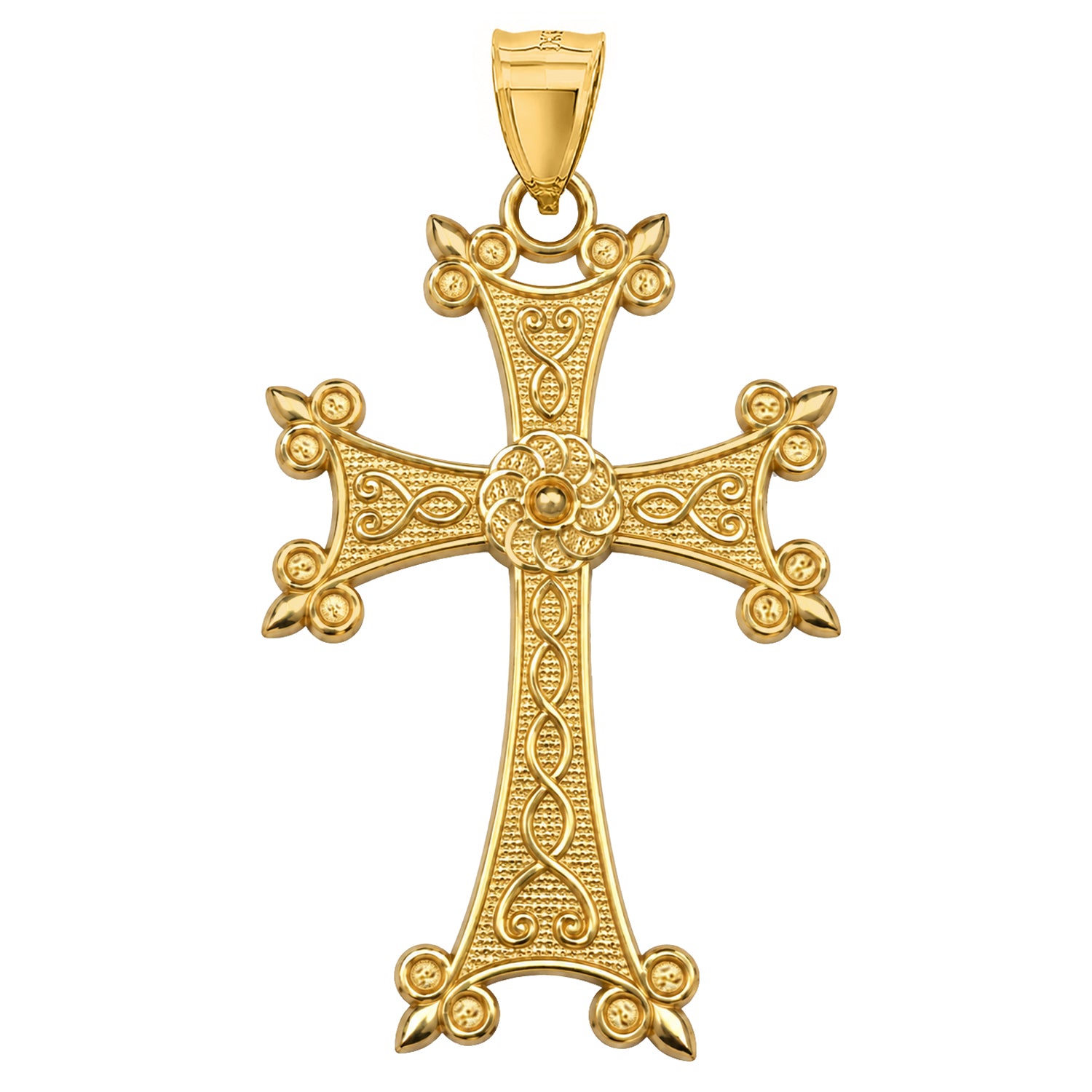
Some pieces of jewelry are chosen to complete an outfit. Others become treasured reminders of faith, family, and important moments in life. Religious gold jewelry often belongs to the second category. A pendant worn every morning, a medallion received from a parent, or a cross gifted during a milestone can carry meaning long after the occasion has passed.
Choosing such a piece involves more than finding an attractive design. The symbol, gold purity, chain construction, and intended use all influence whether the jewelry feels right for its wearer. Understanding these details can help you select a piece that combines personal significance with lasting practicality.
From traditional religious medallions to classic crosses, gold jewelry offers many ways to express devotion. The key is finding a design that reflects the wearer's beliefs and fits naturally into everyday life.
Understand What Makes Religious Jewelry Personal
Religious jewelry often carries a story that cannot be measured by its weight or appearance. A pendant may represent a spiritual commitment, remind someone of a family tradition, or mark a meaningful turning point.
Before choosing a design, consider the reason behind the purchase.
-
A personal expression of faith: Some people wear religious jewelry as a daily reminder of their beliefs.
-
A family tradition: A gold pendant may be passed between generations or given during significant religious occasions.
-
A symbol of encouragement: Jewelry can remind its wearer of hope, strength, and the values they want to carry through life.
-
A meaningful gift: Parents, grandparents, partners, and close friends may choose religious pieces to celebrate important milestones.
-
A connection to heritage: Particular religious symbols can reflect traditions and customs shared within a family or community.
The meaning behind a piece can influence its design. Someone who values a traditional devotional symbol may prefer a recognizable religious image, while another person may choose a simple shape that offers a more understated expression of faith.
Neither approach is more meaningful than the other. Personal significance comes from the wearer and the story associated with the jewelry.
Discover the Meaning Behind Different Medallion Designs
Religious medallions are distinctive because they often feature detailed imagery, inscriptions, or recognizable devotional symbols. Unlike a simple geometric pendant, a medallion can communicate a specific spiritual association through its design.
For example, the Miraculous Medal is associated with devotion to the Virgin Mary within the Catholic tradition. Its imagery carries religious significance for people who choose to wear it as an expression of their faith.
When considering a gold medallion necklace, examine both the symbol and the quality of its presentation. The clarity of the raised details, the definition of the lettering, and the overall shape can affect how easily the design can be appreciated.
Several factors deserve attention:
Front and reverse details: Some medallions include imagery or inscriptions on both sides. Check product photographs to understand the complete design.
Relief and engraving: Raised details can give a medallion dimension, while engraved elements may create a more restrained appearance.
Diameter: A larger medallion offers more room for intricate imagery, whereas a smaller one may feel more discreet for daily wear.
Edge finish: Smooth, rounded edges can create a refined appearance, while decorative borders may make the pendant look more traditional.
Bail design: The opening that connects the medallion to the chain should accommodate the selected chain comfortably.
A medallion's appeal is not determined by complexity alone. A simple, well-defined design can be just as meaningful as a highly detailed piece.
Why Gold Purity Matters When Selecting a Keepsake
When religious jewelry is intended to last, material quality deserves careful attention. Gold purity affects the metal's composition, while construction and finishing influence how well the piece performs over time.
Solid 14K gold contains 58.3% pure gold, with the remaining portion made up of other metals. These additional metals contribute to the alloy's working properties and make 14K gold a practical option for many everyday jewelry designs.
Here is how common material descriptions compare:
-
10K gold: Contains 41.7% pure gold and has a lower gold content than 14K or 18K gold.
-
14K gold: Contains 58.3% pure gold and balances gold content with practical wearability.
-
18K gold: Contains 75% pure gold and has a higher gold content than 14K gold.
-
Gold-plated jewelry: Uses a surface layer of gold over another material.
-
Gold-filled jewelry: Has a substantial bonded gold layer over a base metal, rather than being solid gold throughout.
These categories are not interchangeable. A gold-colored appearance alone does not establish the material used in a pendant or chain.
When purchasing a religious keepsake, check whether the pendant and chain are both made from solid gold. Some listings describe a solid gold pendant paired with a chain made from another material, so reviewing each component is important.
Also consider the weight and construction of the pendant. A heavier medallion may need a chain with appropriate strength, while a small pendant may work well with a finer chain.
Gold quality matters, but it should be considered alongside workmanship, secure attachments, and clear product information.
Find a Chain That Complements the Pendant
A pendant and chain should work together as a complete piece. Even a beautifully made religious symbol can look unbalanced when paired with a chain that is too delicate, too heavy, or visually distracting.
Different chain styles create different effects.
-
Cable chains: Simple, connected links provide a classic foundation for many pendants.
-
Box chains: Square links create a structured appearance that pairs well with clean pendant shapes.
-
Rope chains: Twisted links add texture and reflect light along the chain.
-
Figaro chains: Alternating link lengths create a recognizable pattern.
-
Curb chains: Interlocking links generally sit flat and provide a more substantial appearance.
The pendant's bail is an important part of this decision. The chain must pass through the opening without becoming trapped or rubbing excessively against the edges.
Weight is equally important. A large medallion or thick cross may place unnecessary strain on a very fine chain. Meanwhile, a heavy chain can dominate a smaller pendant.
When the necklace is sold as a set, check the chain specifications rather than assuming that every chain is suitable for every activity. If you are choosing the pieces separately, confirm the pendant dimensions and chain thickness before making a decision.
The goal is a balanced combination that feels comfortable and allows the religious symbol to remain the main focus.
Consider How Cross Necklaces Fit Different Personal Styles
Cross necklaces come in many designs, from small pendants with smooth surfaces to larger pieces with decorative edges. These differences allow wearers to choose jewelry that reflects their individual tastes.
A gold cross necklace women may feature a delicate profile suited to understated outfits or a more detailed design that becomes the focal point of an ensemble.
When comparing cross styles, think about the overall impression you want to create.
For a subtle appearance: A small cross with clean lines can complement workwear, casual clothing, and simple dresses.
For a traditional look: A classic cross with slightly rounded edges or a polished surface can provide a familiar, versatile appearance.
For a decorative style: Engraving, textured surfaces, and shaped terminals can add character without changing the fundamental symbol.
For a more prominent statement: A larger cross can stand out against a plain shirt or dress and become the main jewelry feature.
Consider the pendant's proportions as well as its size. A narrow cross can look delicate even when relatively long, while a wider design may appear more substantial.
Personal style should guide the decision, but there is no need to limit religious jewelry to special occasions. A simple cross can be worn with everyday clothing, while a more elaborate design may be reserved for gatherings and celebrations.
Match Necklace Length to the Wearer's Routine
Chain length changes how a pendant sits on the body and how it interacts with clothing. The same cross or medallion can appear quite different when worn close to the collarbone compared with a longer chain.
Shorter chains tend to keep a pendant near the base of the neck. Medium lengths generally position it farther down the upper chest, while longer chains allow it to sit lower.
To select a suitable length, consider these questions:
-
What necklines do you wear most often? A necklace should sit comfortably without being hidden or crowded by clothing.
-
How large is the pendant? Larger designs may benefit from additional space, depending on the wearer's proportions.
-
Will you layer it with other necklaces? Different lengths can help prevent pendants from overlapping.
-
Do you prefer a close fit or a relaxed drop? Comfort is just as important as appearance.
-
Will the necklace be worn throughout the day? Choose a length that moves naturally during ordinary activities.
If the jewelry is a gift, check whether the recipient already wears necklaces and use their preferred length as a reference. Measuring an existing necklace can be more useful than estimating based on appearance.
Remember that the stated chain length generally measures the chain laid straight. The actual drop depends on the length, neck size, and way the necklace rests.
Why a Men's Gold Cross Necklace May Need Different Proportions
Cross jewelry is not limited to one gender, and many designs can be worn by anyone who appreciates them. However, some men's necklaces feature thicker chains, larger pendants, or more substantial proportions.
A male gold chain with cross may pair a bold cross pendant with a curb, rope, or other substantial chain. This combination can create a more pronounced appearance, particularly when worn over a plain shirt.
For a gift, avoid assuming that every man prefers a large pendant or thick chain. Some may favor a compact cross and a fine chain, while others appreciate heavier jewelry.
A few practical considerations can help:
-
Match the chain's strength to the pendant's weight.
-
Check that the pendant's bail fits the chain.
-
Consider the recipient's usual clothing and jewelry.
-
Review chain length and pendant dimensions before purchasing.
-
Choose a finish that suits the recipient's preferences.
The same principles apply when selecting cross jewelry for women. Gender-based product categories can provide useful starting points, but personal taste should remain the deciding factor.
Evaluate Craftsmanship Before Making Your Choice
Religious jewelry often includes small details that deserve close inspection. Product photographs, specifications, and seller policies can help you evaluate a piece before purchasing.
Start with the pendant itself. Look for clearly defined shapes, smooth edges, and a consistent finish. For medallions, inspect the central imagery and any inscriptions. For crosses, check the alignment of the intersecting sections and the quality of the edges.
Next, examine the chain and clasp. The clasp should close securely, and the chain should be suitable for the pendant's weight. A loose connection between the pendant and its bail may also deserve attention.
Use this checklist when comparing products:
-
Confirm the stated gold purity.
-
Verify the material of both the pendant and chain.
-
Review the pendant's height, width, and weight when listed.
-
Check chain length, style, and thickness.
-
Examine the product photographs from multiple angles.
-
Read the return policy and available warranty information.
-
Look for clear shipping details and customer support options.
If the product description leaves important questions unanswered, seek clarification before purchasing.
These checks are especially valuable for online purchases because photographs cannot fully communicate weight, scale, or how a necklace feels when worn.
Preserve the Meaning Through Proper Care
A religious necklace may accompany its wearer for years, so sensible care helps preserve its appearance and condition.
After wearing the piece, wipe it gently with a soft cloth to remove oils and residue. For routine cleaning, lukewarm water and mild soap may be appropriate for plain gold jewelry, provided the piece has no delicate materials or special care requirements. Rinse carefully and dry it completely.
Avoid abrasive products and harsh chemicals. These can scratch the finish or affect decorative details. Remove jewelry before swimming, exercising, or using household cleaning products to reduce the risk of damage.
Storage is equally important. Keep the necklace in a soft-lined jewelry box or separate pouch to reduce tangling and scratches from other pieces. Fasten the clasp before storing the chain, and avoid pulling it straight if it becomes knotted.
Periodically inspect the clasp, chain links, and pendant attachment. If a link appears stretched or the clasp no longer closes securely, stop wearing the necklace until it can be assessed.
A jeweler can inspect the construction and recommend repairs when necessary. Taking care of the physical piece helps protect a keepsake that may hold considerable personal significance.
Choosing Jewelry That Reflects What Matters Most
Gold religious jewelry combines craftsmanship with personal meaning. A medallion may reflect a particular devotional tradition, while a cross can serve as a familiar expression of faith. Both can become cherished possessions when the design suits the wearer and the construction meets expectations.
Before choosing a necklace, consider the symbol, gold purity, pendant proportions, chain style, and intended use. Check the product details carefully, especially when buying online or selecting a gift for someone else.
Solid gold, thoughtful construction, and appropriate care can help a necklace remain part of a jewelry collection for years. Ultimately, the most meaningful piece is the one that reflects the wearer's beliefs, feels comfortable to wear, and connects naturally with the moments and values that matter most.
