Mono-Material Pivot: Is Your Production Line Ready for 2027
Author : Daniel Sparks | Published On : 02 Jul 2026
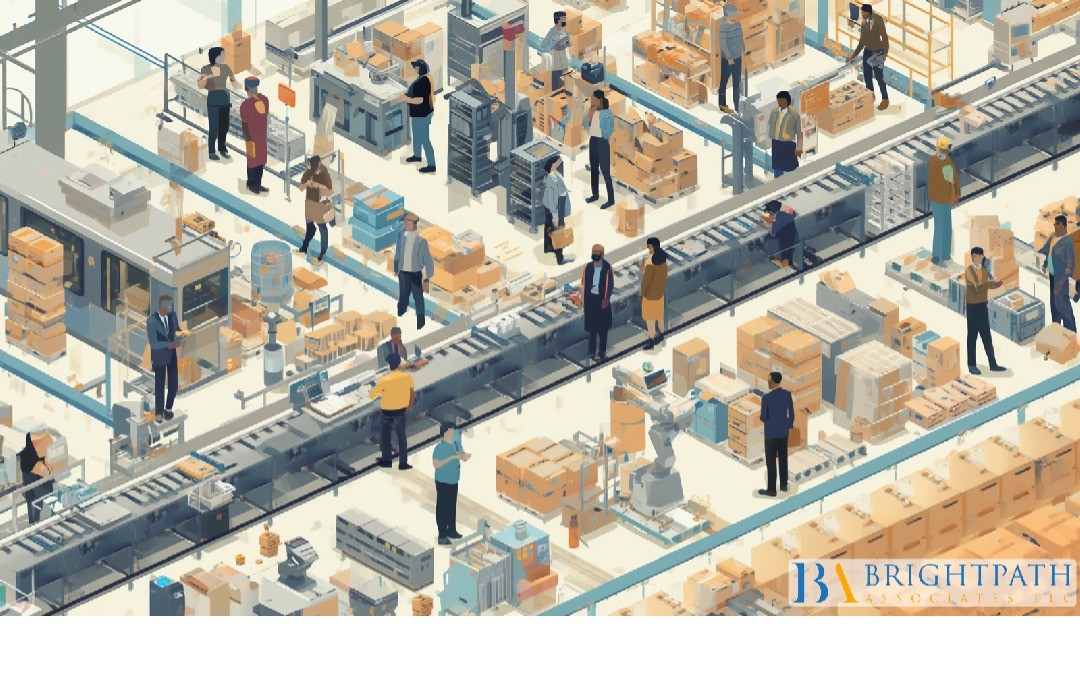
The plastics industry is entering one of its most transformative periods in decades. Sustainability is no longer a branding initiative—it has become a business imperative driven by evolving regulations, customer expectations, retailer requirements, and investor scrutiny. As manufacturers prepare for 2027 and beyond, one trend is rapidly reshaping production strategies across the globe: the transition to mono-material packaging.
For small and mid-sized plastics manufacturers, this shift represents both a significant challenge and a major opportunity. Companies that begin adapting their production capabilities today will be better positioned to win new business, strengthen customer relationships, and remain competitive in an increasingly circular economy. Those that delay may find themselves struggling to meet future customer specifications and regulatory expectations.
Traditionally, many flexible packaging products have been manufactured using multiple layers of different materials to achieve strength, flexibility, oxygen barriers, moisture protection, and shelf-life performance. While these multi-material structures deliver excellent functionality, they are notoriously difficult to recycle because separating different polymers is expensive and technically challenging.
Mono-material packaging changes this equation by using a single polymer family—such as polyethylene (PE) or polypropylene (PP)—while still delivering the functional characteristics required by food, healthcare, consumer goods, industrial, and personal care applications. This simplified design dramatically improves recyclability and aligns with circular economy initiatives that continue to gain momentum worldwide. Industry analysts expect the global mono-material packaging market to experience strong growth through the end of the decade as regulatory pressure and brand sustainability commitments accelerate adoption.
For manufacturers, however, transitioning toward mono-material production is far more complex than replacing one resin with another. Production lines, converting equipment, extrusion processes, sealing technologies, quality assurance protocols, and material sourcing strategies may all require evaluation and modification. Organizations that view mono-material packaging merely as a product change risk underestimating the broader operational transformation required to compete successfully.
Businesses operating within the Plastics Industry are increasingly investing in equipment modernization, advanced material science, digital quality control, and process optimization to support recyclable packaging production. These investments are not simply responses to environmental concerns—they represent strategic decisions aimed at maintaining long-term market relevance while meeting evolving customer demands.
Consumer brands are also accelerating the transition. Many global manufacturers have established ambitious packaging sustainability goals that include higher recycled content, improved recyclability, and reduced environmental impact. Retailers increasingly evaluate suppliers based on environmental performance alongside traditional measures such as quality, cost, and delivery reliability. As these expectations continue cascading throughout supply chains, even smaller plastics manufacturers must demonstrate their ability to support recyclable packaging initiatives. Regulatory developments in major markets are reinforcing this trend by encouraging recyclable packaging design, recycled content requirements, and improved collection systems.
Preparing for mono-material production begins with a comprehensive assessment of manufacturing capabilities. Companies should evaluate whether existing extrusion systems, molding equipment, sealing technologies, coating processes, and testing procedures can consistently produce high-performance mono-material products. While certain production lines may require only incremental adjustments, others may benefit from equipment upgrades that improve flexibility, efficiency, and quality consistency.
Material innovation is another essential component of successful implementation. Modern mono-material packaging increasingly relies on advanced polymer formulations capable of delivering barrier performance, durability, seal integrity, printability, and product protection previously achievable only through multi-layer constructions. Continuous collaboration between resin suppliers, equipment manufacturers, converters, and product designers has significantly expanded the commercial viability of mono-material solutions across numerous applications. Advances in recyclable flexible packaging technologies continue to improve performance while supporting circular economy objectives.
Digital transformation also plays a critical role in production readiness. Smart manufacturing technologies—including AI-powered quality inspection, predictive maintenance, real-time production monitoring, and data analytics—allow manufacturers to optimize material usage, reduce waste, and maintain consistent product quality during new product introductions. These technologies not only improve operational efficiency but also provide the process visibility needed when introducing new material formulations.
Of course, technology alone cannot drive transformation. Workforce capability remains one of the most important competitive differentiators within the plastics industry. Engineers, process technicians, quality specialists, maintenance professionals, production supervisors, and operations leaders must understand both the technical and commercial implications of mono-material manufacturing. Continuous training enables employees to adapt to new materials, evolving production techniques, and increasingly sophisticated quality requirements.
Leadership is equally important. Successfully navigating this transition requires executives who understand manufacturing strategy, sustainability, operational excellence, customer expectations, supply chain management, and regulatory developments. Organizations that combine technological investment with strong leadership are far better equipped to execute transformation initiatives while maintaining operational performance.
Executive recruitment has therefore become an increasingly strategic consideration for growing plastics manufacturers. As companies invest in sustainable manufacturing, advanced materials, automation, and digital operations, they also require leaders capable of managing organizational change while building high-performing technical teams. Recruiting experienced executives with expertise in manufacturing innovation, engineering, quality systems, product development, and operational strategy can significantly accelerate successful implementation.
Financial planning should not be overlooked either. While production upgrades require investment, delaying modernization may prove more costly over time. Manufacturers unable to meet customer sustainability requirements could lose contracts, experience declining competitiveness, or miss emerging market opportunities. Conversely, businesses that proactively prepare for mono-material production may benefit from stronger customer relationships, premium product positioning, improved operational efficiency, and access to growing sustainable packaging markets. The broader plastic packaging market continues expanding globally, with sustainability-focused innovations increasingly influencing purchasing decisions across industries.
Business leaders interested in exploring this transition further can gain additional insights by reading the original BrightPath article on Mono-Material Pivot: Is Your Production Line, which examines practical strategies for preparing manufacturing operations, strengthening workforce capabilities, and remaining competitive as sustainable packaging becomes the industry standard.
The journey toward mono-material manufacturing is about far more than compliance. It is about positioning organizations for long-term growth in a marketplace increasingly shaped by sustainability, innovation, and operational excellence. Manufacturers that invest today in technology, workforce development, strategic leadership, and production flexibility will be well prepared to capitalize on the next generation of packaging opportunities while strengthening their competitive advantage.
