Money Counter Machines: What Irish Shops Actually Need to Know Before Buying One
Author : Discount Till Rolls | Published On : 03 Sep 2026
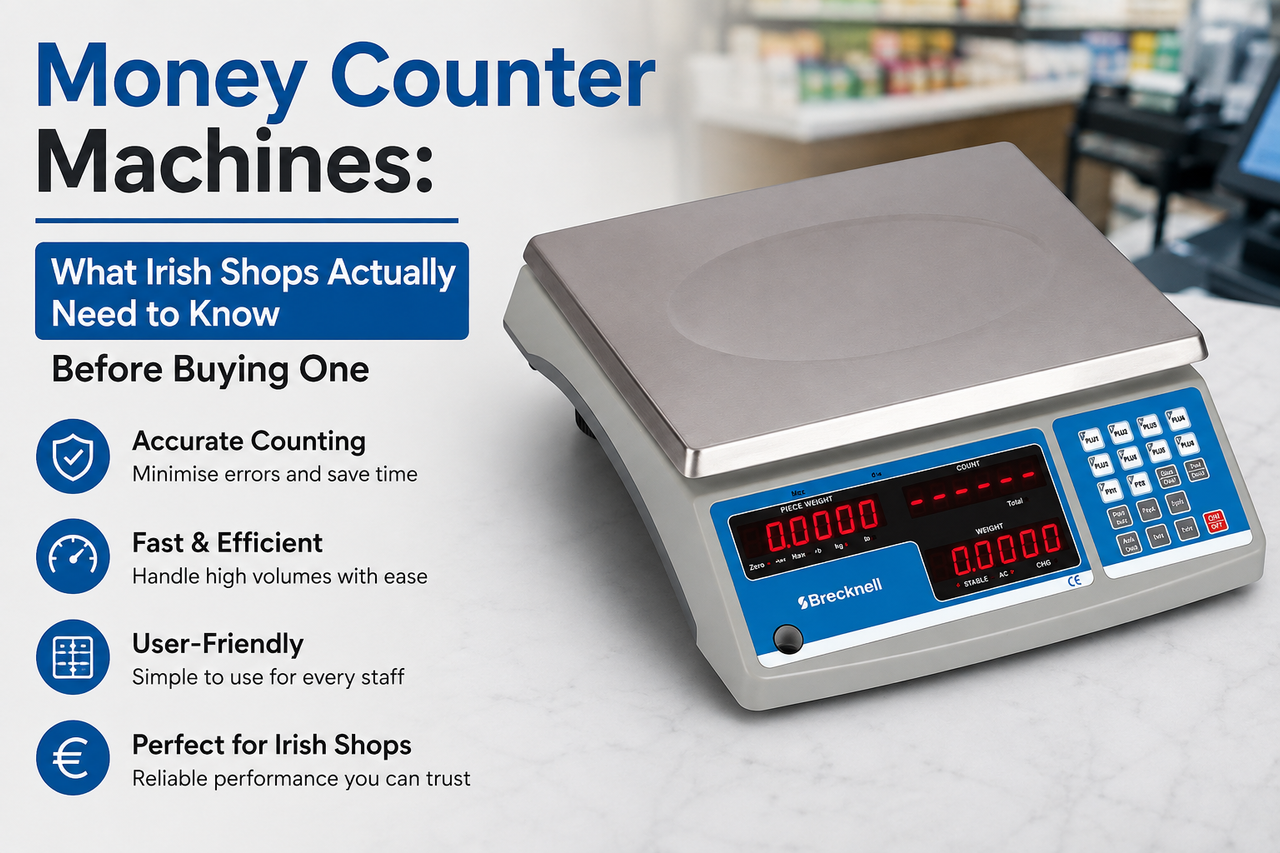
Quick Answer: A money counter is a machine that tallies and sometimes sorts and verifies cash far faster than a person can by hand. Irish shops, bookmakers, cafés, and hospitality venues use them to speed up till closing, reduce counting mistakes, and catch fake notes before they turn into a real loss. Which model suits you comes down to three things: how much cash you handle, what kind of notes typically pass through your till, and whether you need counterfeit checks built in.
The Late-Night Till Problem
Anyone who's stood there at eleven at night, recounting a stack of tens for the third time, knows the frustration. Notes cling together. Coins scatter across the counter. And no matter how carefully you count, the total still doesn't quite match what the register says.
That's usually the moment shop owners in Ireland start seriously considering a money counter not because of some article they read, but because they've just lost the better part of an hour to a drawer that won't reconcile.
What These Machines Actually Do
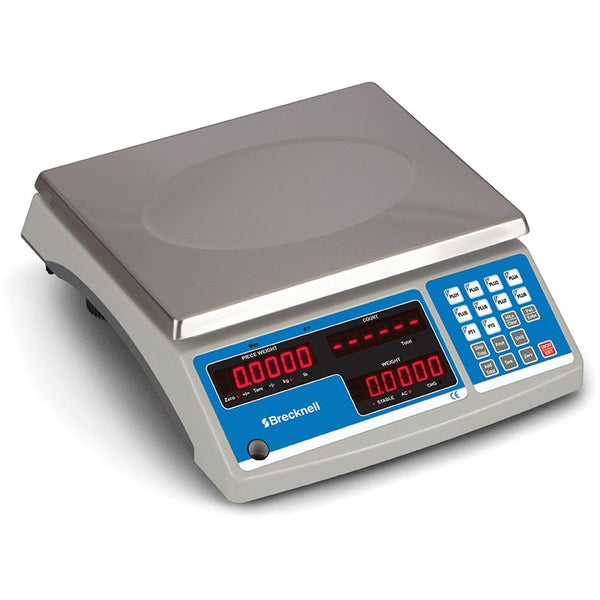
In simple terms, a money counter runs notes or coins through a mechanism that tallies them at speed quicker and more reliably than manual counting in almost every case.
Most fall into one of these categories:
- Note counters — tally banknotes in batches, sometimes several hundred per minute
- Coin counters — sort and count coins by denomination, handy for businesses dealing in a lot of change
- Counterfeit-detection counters — pair counting with UV, magnetic, or infrared checks to flag suspicious notes
- Mixed denomination counters — count and total a stack of assorted notes without needing them pre-sorted first
Businesses moving large amounts of cash daily bookmakers, for instance usually need something with counterfeit detection built in. A quiet café doing modest lunchtime trade can often get by with a simple note counter.
Why This Matters for Irish Retail and Hospitality
Fake notes are a real, recurring cost. They don't announce themselves, and a hectic Saturday till is exactly when one is most likely to go unnoticed. Once it's in the drawer, that loss belongs to the business banks won't cover it.
Staff time adds up. Counting a till by hand twice a day, every day, across a full year, eats into paid hours that could go toward almost anything else.
Discrepancies cause more hassle than the money itself. A till that's a few euro short is rarely theft it's usually a simple miscount. But it still means a manager spends the end of their shift trying to trace where it went wrong.
Owners who've made the switch from manual counting often describe closing time going from a dreaded chore to a five-minute task.
Comparing Your Options
| Machine type | Speed | Counterfeit detection | Best suited to | Rough price range |
|---|---|---|---|---|
| Basic note counter | Fast | None | Small cafés, low cash-volume shops | Low |
| Counterfeit-detection note counter | Fast | UV/MG/IR | Bookmakers, busy retail, hospitality | Moderate |
| Coin counter/sorter | Moderate | N/A | Businesses with heavy coin turnover | Low–moderate |
| Mixed denomination counter | Moderate–fast | Often included | High-volume or multi-till operations | Higher |
Getting the Note Mix Right
This is where a lot of buyers get caught out. Not every machine handles every note equally well.
Older or well-worn euro notes can jam in cheaper counters that weren't built to handle damaged stock. If a lot of your cash comes from vending machines, self-service tills, or customers who tend to pay in older notes, this is worth factoring in before you buy.
Calibration matters too, especially as Ireland's currency mix evolves — new note designs or security features can trip up a machine that hasn't been updated. That means genuine notes get misread or rejected, which is its own source of frustration at closing time.
Before You Buy: A Quick Checklist
- Estimate your real daily cash volume. A bank-branch-grade machine is overkill for a small café.
- Check whether counterfeit detection is included or separate. Some budget models only count — they don't check for fraud at all.
- Ask about note condition tolerance. If worn or older notes are common in your till, this matters more than raw speed.
- Consider maintenance access. A machine that has to be shipped off for servicing means real downtime during a busy week.
- Think about physical space. Some counters are compact enough for the front counter; others need a dedicated spot out back.
It Rarely Works Alone
A money counter is usually just one piece of a busier setup. Most businesses running one are also managing till rolls, card machine receipts, and label printing at the same time, often during the same shift.
Treating cash-handling equipment and everyday counter supplies as part of one operational routine rather than as separate purchases tends to make closing time noticeably smoother. Fewer systems to check, fewer things that can go wrong at once.
FAQ
Do I need counterfeit detection, or will a basic counter do?
It depends on your cash volume and note mix. High-cash-volume sectors like bookmaking generally benefit from built-in detection. Lower-volume shops can often manage with a basic counter plus occasional manual checks.
Are money counters more accurate than counting by hand?
Well-maintained machines typically outperform manual counting over time, largely because they aren't affected by the fatigue that causes errors during long counting sessions.
Can one machine handle both notes and coins?
Some do, but most dedicated note counters don't handle coins. Businesses with a lot of coin turnover usually need a separate coin counter or sorter.
How often do these machines need servicing?
It varies with usage, but a till running a counter daily should expect periodic cleaning and calibration, much like any other piece of mechanical office equipment.
Will a counter reject genuine notes just because they're worn?
Cheaper machines sometimes do, particularly with heavily worn or damaged notes. It's worth checking a machine's tolerance for note condition before you commit, especially if older cash is common in your till.
Final Thoughts
A money counter isn't a glamorous purchase, and it's never going to be the thing in the shop window. But for many Irish retail and hospitality businesses, it quietly eliminates one of the most tedious, error-prone parts of the day.
The businesses that get the most value out of one aren't necessarily buying the fastest or priciest model available. They're the ones who've matched the machine to their actual cash volume, checked how it copes with their typical notes, and folded it into the same daily routine as their till rolls and counter stock rather than treating it as a standalone gadget purchase.
