Modernizing Legacy Defense Logistics with Predictive AI Analytics
Author : Alyssa Miller | Published On : 30 Sep 2026
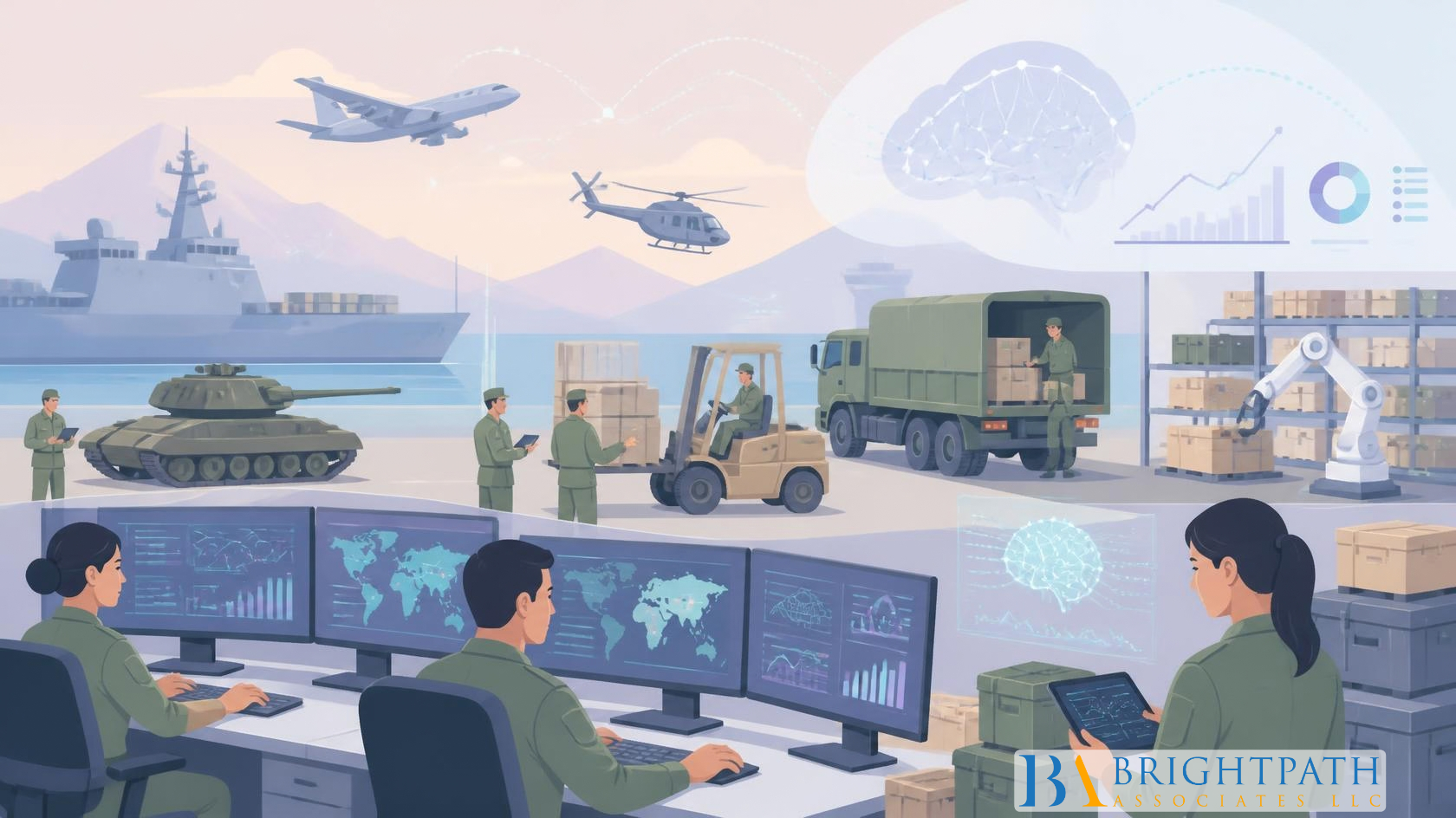
Defense logistics has always depended on precision, timing, and preparedness. Yet many organizations still operate with logistics infrastructures built around systems, databases, and processes developed decades ago. These legacy environments may continue to support essential operations, but they can become increasingly difficult to manage as defense programs involve more suppliers, specialized components, complex maintenance requirements, and interconnected technologies.
Predictive artificial intelligence is emerging as one way to modernize these environments without requiring organizations to immediately abandon every legacy platform. Instead of replacing established systems wholesale, organizations can introduce analytical capabilities that connect information from inventory, procurement, maintenance, transportation, manufacturing, and equipment records.
The result can be a more forward-looking logistics operation—one capable of identifying potential problems before they become operational disruptions.
From Reactive Logistics to Predictive Decision-Making
Traditional logistics frequently operates on historical information and predefined schedules. A component is reordered when inventory reaches a certain level. Maintenance is performed according to an established timetable. A delayed shipment may trigger action only after the disruption has already occurred.
By analyzing historical records alongside current operational data, AI models can identify patterns associated with equipment failures, inventory shortages, supplier delays, or changing demand. This does not mean an AI system can predict every future event. Rather, it can provide decision-makers with earlier indications that a particular risk deserves attention.
Knowing that a particular component has an increasing probability of failure, for example, may give logistics teams additional time to evaluate inventory, identify qualified suppliers, or schedule maintenance. Similarly, recognizing a developing procurement risk can allow organizations to investigate alternatives before a shortage becomes critical.
Modernizing Without Replacing Everything
Defense organizations may operate multiple generations of software, databases, equipment records, and procurement systems. Completely replacing these platforms can be expensive, disruptive, and difficult to justify when existing systems continue to perform important functions.
Predictive AI offers another approach: creating an analytical layer that works across existing infrastructure. Data from different systems can be collected, standardized, and analyzed without necessarily requiring every underlying application to be replaced. This allows modernization to occur incrementally.
Such an approach can be particularly relevant to organizations that need to balance innovation with continuity. Rather than treating legacy systems as an obstacle that must immediately disappear, companies can identify which information needs to become more accessible and determine how modern analytics can extract additional value from it.
Connecting Inventory, Maintenance, and Procurement
The real value of predictive logistics comes from connecting information that has historically been viewed separately. Inventory records can show what is available. Maintenance records can indicate which components experience recurring problems. Procurement data can reveal supplier lead times and purchasing patterns. Transportation information can provide insight into delivery performance.
Connected through analytics, however, these datasets can reveal relationships between operational events. A recurring equipment problem might correspond with a particular supplier or component batch. A procurement delay might become more significant when inventory levels are already declining. A maintenance requirement might coincide with a shortage of replacement parts.
Predictive analytics can help organizations identify these relationships and bring them into the decision-making process.
The Growing Connection Between Defense and Space
Defense logistics is also becoming increasingly connected to space-related technologies. Satellites, communications infrastructure, specialized electronics, ground systems, robotics, and other advanced capabilities can involve complex supply networks and highly specialized components.
These environments can create additional challenges because certain components may have long procurement cycles or limited sources of supply. Predictive analytics can help establish that visibility by bringing information from different operational areas into a common analytical environment.
Organizations operating across the Defense and Space Industry therefore need increasingly sophisticated visibility into supplier dependencies, component histories, inventory positions, and maintenance requirements.
Building a Practical Path to Predictive Logistics
The transition does not have to happen all at once. Organizations can begin by identifying a specific logistics problem where improved forecasting could produce measurable value. Predictive maintenance, spare-parts planning, supplier risk, or inventory forecasting may provide suitable starting points.
A controlled pilot can then test the model against real operational data. Performance can be evaluated, employee feedback collected, and weaknesses identified before the technology is expanded.
This gradual approach can also help build organizational confidence. Employees can see how the technology performs in practical situations rather than being asked to accept an entirely new system immediately.
Over time, successful applications can be integrated across additional programs and operational areas. For a deeper exploration of how predictive analytics can modernize established defense logistics environments, read Modernizing Legacy Defense Logistics with Predictive AI Analytics.
The Future of Defense Logistics Is More Connected
Predictive AI will not eliminate uncertainty from defense supply chains. Geopolitical developments, supplier capacity, component shortages, regulatory requirements, and unexpected operational events will continue to create challenges.
The future logistics environment is likely to combine legacy operational knowledge with modern analytics, human expertise with machine-generated insights, and established infrastructure with increasingly intelligent digital capabilities.
For small and mid-sized defense and aerospace companies in particular, the ability to modernize incrementally may offer a practical path toward greater visibility and resilience without requiring an immediate transformation of every existing system.
If your organization is looking for leaders who can connect defense logistics, advanced technology, supply-chain strategy, and digital transformation, BrightPath Associates LLC can help identify specialized executive and professional talent aligned with your organization's evolving requirements.
